Welcome to the official website of Xi'an Yuli Electronic Technology Co., Ltd.


Five Key Applications of Electromagnetic Relays in Automation
2025-12-25
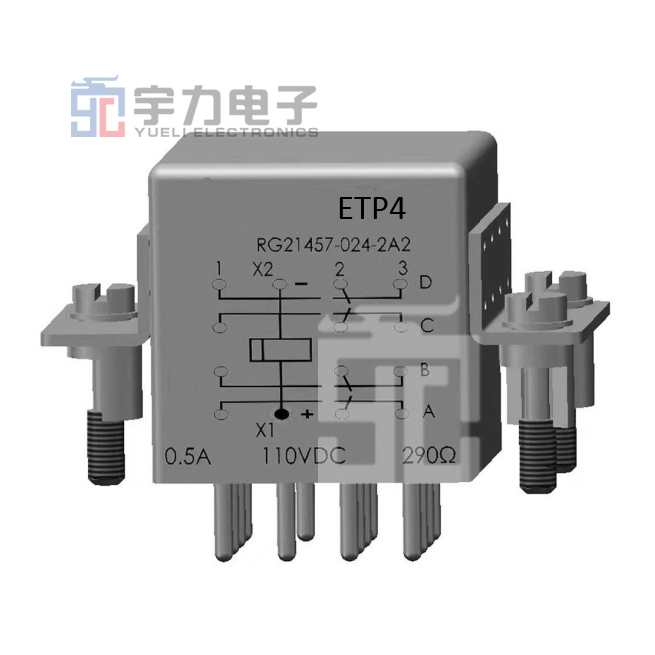
Introduction to Electromagnetic Relays in Automation
Electromagnetic relays are pivotal components in the realm of automation, acting as switches that control a variety of electrical devices through low-power signals. These devices hold significant importance in numerous applications, from industrial machinery to everyday household systems. Understanding their key applications can help engineers and technicians optimize automation processes, ensuring efficiency, reliability, and safety.
What is an Electromagnetic Relay?
An electromagnetic relay consists of a coil of wire that generates a magnetic field when electric current flows through it. This magnetic field then actuates a switch mechanism, allowing or interrupting the flow of current to another circuit. This fundamental operation underpins its use in numerous applications.
Key Features of Electromagnetic Relays
Before diving into specific applications, it's crucial to highlight the key features that make electromagnetic relays indispensable in automation:
- **Isolation**: They provide electrical isolation between the control circuit and the load circuit.
- **Versatility**: These relays can handle various voltages and currents, making them suitable for diverse applications.
- **Reliability**: They boast a long operational life, capable of withstanding thousands of switching cycles.
- **Cost-Effectiveness**: Electromagnetic relays are typically less expensive compared to solid-state alternatives.
Five Key Applications of Electromagnetic Relays in Automation
1. Industrial Machinery Control
In industrial settings, electromagnetic relays play a vital role in controlling machinery. They facilitate the automation of various processes, such as turning on and off motors, controlling conveyor systems, or managing robotic arms. By allowing low-power control signals to manage high-power devices, these relays enhance operational safety and efficiency.
**Sub-Application: Motor Control Circuits**
Motor control circuits often utilize electromagnetic relays to manage the starting and stopping of electric motors. The relay acts as an intermediary, enabling operators to control motor functions safely from a distance. This capability not only simplifies operations but also reduces the risk of electrical shock or equipment damage.
2. Home Automation Systems
The rise of smart homes has seen an increased deployment of electromagnetic relays in home automation systems. These relays allow for the centralized control of lighting, heating, and appliances, making homes more energy-efficient and convenient.
**Sub-Application: Smart Lighting Control**
In smart lighting applications, electromagnetic relays can switch lights on and off based on user commands or automated schedules. This functionality enhances energy efficiency by ensuring lights are only active when needed, contributing to a more sustainable living environment.
3. Automotive Applications
Electromagnetic relays are also prevalent in the automotive industry, where they control various functions within vehicles. From powering headlights to managing windshield wipers, these relays are essential for safe and efficient vehicle operation.
**Sub-Application: Safety Systems**
In automotive safety systems, such as anti-lock braking systems (ABS) or airbags, electromagnetic relays are critical components. They ensure that these systems are activated in emergencies, providing an extra layer of protection for drivers and passengers alike.
4. Telecommunications
In the telecommunications industry, electromagnetic relays are utilized in switching and routing calls. They facilitate the connection between different lines and networks, enabling effective communication services.
**Sub-Application: Signal Routing**
Electromagnetic relays are instrumental in managing signal routing in telecommunication systems. By directing calls and data to the appropriate channels, they enhance the overall efficiency and reliability of communication networks.
5. Control Panels and Automation Systems
Control panels in various industrial and commercial applications often employ electromagnetic relays for their switching needs. These relays manage system alarms, indicators, and other control functions, ensuring seamless operations.
**Sub-Application: Alarm Systems**
In alarm systems, electromagnetic relays activate notifications or alerts when triggered by specific conditions, such as smoke detection or unauthorized access. This capability enhances security measures in both residential and commercial properties.
The Future of Electromagnetic Relays in Automation
As automation technology continues to evolve, the role of electromagnetic relays remains crucial. Advancements in relay technology, such as increased miniaturization and enhanced efficiency, promise to expand their applications further. The integration of smart technologies will likely lead to even more innovative uses, enhancing the capabilities of automation systems.
FAQs About Electromagnetic Relays
1. What is the primary function of an electromagnetic relay?
The primary function of an electromagnetic relay is to act as a switch that controls the flow of electricity in a circuit, allowing low-power signals to manage high-power devices.
2. How does an electromagnetic relay work?
An electromagnetic relay works by using an electric current to create a magnetic field, which moves a mechanical arm to open or close a switch in the circuit.
3. What are the advantages of using electromagnetic relays in automation?
Advantages include electrical isolation, versatility for various applications, reliability for long-term operation, and cost-effectiveness compared to solid-state alternatives.
4. Can electromagnetic relays be used in high-voltage applications?
Yes, electromagnetic relays are suitable for high-voltage applications, provided they are appropriately rated for the specific voltage and current requirements.
5. What is the difference between electromagnetic relays and solid-state relays?
The primary difference lies in their operation; electromagnetic relays use mechanical components to switch circuits, while solid-state relays rely on semiconductor devices to perform the switching without moving parts.
Conclusion
Electromagnetic relays are integral to the automation landscape, serving crucial roles across various industries. Their ability to efficiently manage electrical circuits while providing safety and reliability makes them indispensable. As automation continues to advance, the versatility and functionality of electromagnetic relays will undoubtedly expand, paving the way for innovative applications that enhance efficiency and performance in both industrial and home environments. Understanding these five key applications not only emphasizes the importance of electromagnetic relays but also highlights their transformative impact on the future of automation.
Xi'an Yuli Electronic Technology Co., Ltd.
Whats App:+8618122061211

Message consultation
Note: Please leave your contact information and our professionals will contact you as soon as possible!