Welcome to the official website of Xi'an Yuli Electronic Technology Co., Ltd.


Understanding High Power Relays: Benefits and Applications
2025-12-26
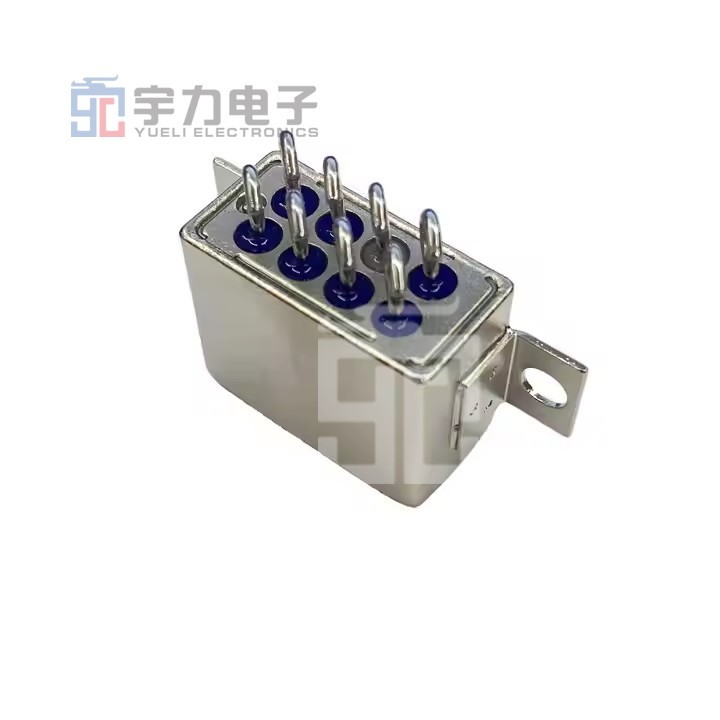
High power relays are specialized electromagnetic switches designed to control large amounts of electrical power. They are essential in applications where reliable switching of high voltage and high current is necessary. Understanding the importance and functionality of high power relays is vital for professionals in the electronics and electrical engineering sectors.
A high power relay typically consists of an electromagnet and a set of contacts. When the coil of the relay is energized, it creates a magnetic field that moves the armature, closing or opening the contacts. This process enables the relay to control larger loads than what a typical switch or smaller relay could manage. The primary advantage of high power relays is their ability to provide isolation between low-power control circuits and high-power loads. This ensures that sensitive electronic components are protected from high voltages and currents, ultimately enhancing the durability and reliability of the overall system.
These relays are used in a variety of applications, such as power distribution systems, motor control, and industrial automation. In power distribution, high power relays are instrumental in switching power lines on and off, allowing for the safe management of electrical loads. In motor control applications, these relays enable the efficient operation of electric motors, ensuring that they can handle the high currents required for starting and running.
In addition to their role in electrical systems, high power relays are also used in renewable energy applications. For instance, they are critical in solar power systems where they manage the connection between photovoltaic panels and the grid, ensuring optimal energy transfer while protecting against overload conditions. Similarly, in wind energy applications, these relays help in controlling power output and maintaining system stability.
When selecting a high power relay, several factors need to be considered, including the relay’s current and voltage ratings, contact configuration, and switching speed. It is crucial to choose a relay that meets the specific requirements of your application to ensure optimal performance and longevity. Additionally, proper installation and maintenance of high power relays can further enhance their reliability and efficiency.
In conclusion, high power relays are indispensable components in modern electrical systems, providing the capability to control high-voltage and high-current applications safely. Their versatility and reliability make them a cornerstone of various industries, from manufacturing to renewable energy. Knowledge of high power relays and their applications can empower professionals to make informed decisions when integrating these essential components into their systems.
A high power relay typically consists of an electromagnet and a set of contacts. When the coil of the relay is energized, it creates a magnetic field that moves the armature, closing or opening the contacts. This process enables the relay to control larger loads than what a typical switch or smaller relay could manage. The primary advantage of high power relays is their ability to provide isolation between low-power control circuits and high-power loads. This ensures that sensitive electronic components are protected from high voltages and currents, ultimately enhancing the durability and reliability of the overall system.
These relays are used in a variety of applications, such as power distribution systems, motor control, and industrial automation. In power distribution, high power relays are instrumental in switching power lines on and off, allowing for the safe management of electrical loads. In motor control applications, these relays enable the efficient operation of electric motors, ensuring that they can handle the high currents required for starting and running.
In addition to their role in electrical systems, high power relays are also used in renewable energy applications. For instance, they are critical in solar power systems where they manage the connection between photovoltaic panels and the grid, ensuring optimal energy transfer while protecting against overload conditions. Similarly, in wind energy applications, these relays help in controlling power output and maintaining system stability.
When selecting a high power relay, several factors need to be considered, including the relay’s current and voltage ratings, contact configuration, and switching speed. It is crucial to choose a relay that meets the specific requirements of your application to ensure optimal performance and longevity. Additionally, proper installation and maintenance of high power relays can further enhance their reliability and efficiency.
In conclusion, high power relays are indispensable components in modern electrical systems, providing the capability to control high-voltage and high-current applications safely. Their versatility and reliability make them a cornerstone of various industries, from manufacturing to renewable energy. Knowledge of high power relays and their applications can empower professionals to make informed decisions when integrating these essential components into their systems.
Xi'an Yuli Electronic Technology Co., Ltd.
Whats App:+8618122061211

Message consultation
Note: Please leave your contact information and our professionals will contact you as soon as possible!