Welcome to the official website of Xi'an Yuli Electronic Technology Co., Ltd.


The Importance of Quality in Three Phase Relay Manufacturing: Ensuring Reliability and Performance
2025-12-31
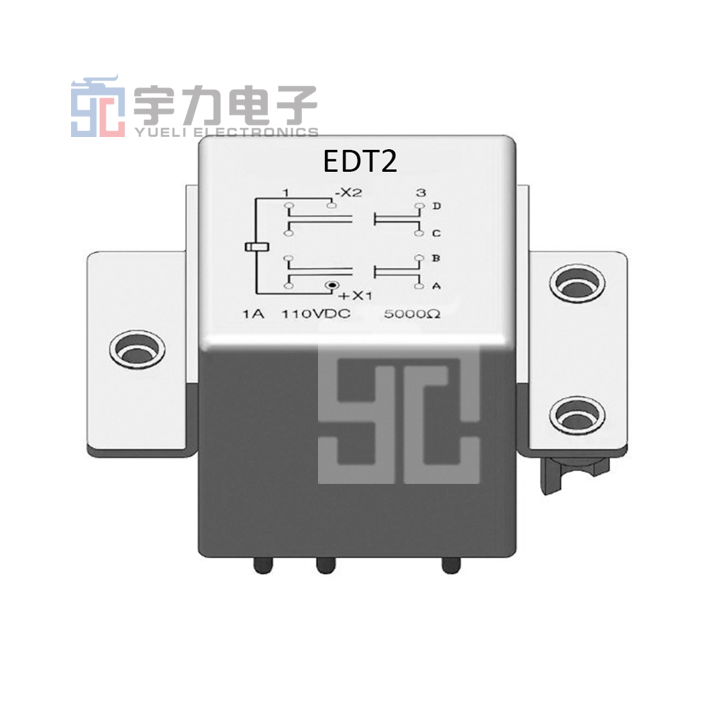
The Importance of Quality in Three Phase Relay Manufacturing
Introduction to Three Phase Relays
Three phase relays are vital components in electrical systems, tasked with controlling the flow of electricity in various applications. Their ability to manage power loads efficiently makes them indispensable in industrial settings, automation, and renewable energy systems. The reliability and performance of these relays directly influence the overall efficacy of the electrical systems they serve.
Understanding Quality in Three Phase Relay Manufacturing
Quality in manufacturing encompasses several dimensions, including design integrity, material selection, production methods, and adherence to industry standards. In the context of three phase relay manufacturing, quality ensures that these devices perform optimally under various conditions, significantly reducing the risk of failure.
Key Components of Quality Manufacturing
1. **Material Selection**: The choice of materials used in the manufacturing process dramatically impacts relay performance. High-quality metals, insulating materials, and components ensure durability and enhance the device's lifespan.
2. **Precision Engineering**: Manufacturing techniques that prioritize precision, such as CNC machining and automated assembly, contribute to the reliability of three phase relays. Tolerances must be tightly controlled to ensure proper function.
3. **Testing and Quality Assurance**: Rigorous testing protocols must be implemented to validate the performance and reliability of relays. This includes thermal tests, dielectric strength tests, and operational testing under various load conditions.
Industry Standards and Certifications
Compliance with industry standards such as IEC, UL, and ISO is critical in relay manufacturing. These standards provide guidelines that ensure safety, reliability, and performance. Manufacturers who adhere to these standards not only enhance their reputation but also gain trust among their customers.
The Role of Quality Control in Relay Manufacturing
Quality control (QC) is a systematic approach to ensuring that manufactured products meet specified requirements. In three phase relay manufacturing, QC includes the following processes:
1. **Incoming Material Inspection**: Before production, all materials undergo thorough inspection to meet predefined quality criteria. This step prevents defective components from entering the production line.
2. **In-Process Quality Checks**: Continuous monitoring during the manufacturing process allows for the early detection of deviations from quality standards. This proactive approach reduces waste and rework.
3. **Final Product Testing**: Every finished relay must undergo comprehensive testing to confirm its performance against industry standards. This phase ensures that only high-quality products reach the market.
Benefits of High-Quality Three Phase Relays
Investing in high-quality three phase relays yields numerous benefits, including:
- **Increased Reliability**: High-quality relays are less prone to failure, which translates to fewer system outages and maintenance costs.
- **Enhanced Performance**: Quality relays offer superior response times and operational efficiency, optimizing overall system performance.
- **Longer Lifespan**: Durable relays reduce the frequency of replacements, leading to long-term cost savings for businesses.
- **Improved Safety**: High-quality relays minimize the risk of electrical faults, contributing to a safer work environment.
Manufacturing Challenges and Solutions
While maintaining quality in relay manufacturing is crucial, manufacturers often face challenges. Understanding these issues and implementing effective solutions can enhance product quality.
Common Manufacturing Challenges
1. **Material Variability**: Inconsistent quality of raw materials can compromise the overall performance of the relays.
2. **Technological Changes**: Rapid advancements in technology can make existing manufacturing processes obsolete, necessitating continuous adaptation.
3. **Cost Pressures**: Balancing quality with production costs can be challenging, particularly in competitive markets.
Strategies for Overcoming Challenges
1. **Supplier Relationships**: Building strong relationships with reputable suppliers ensures consistent material quality.
2. **Investing in Technology**: Embracing modern manufacturing technologies can enhance precision and efficiency, reducing defects.
3. **Regular Training**: Ongoing training for employees keeps the workforce updated on best practices and new technologies, ensuring high-quality output.
Future Trends in Three Phase Relay Manufacturing
The future of three phase relay manufacturing is poised for innovation. Several trends are shaping the industry:
Integration of Smart Technology
Smart relays equipped with IoT (Internet of Things) capabilities allow for real-time monitoring and control. This integration enhances operational efficiency and provides valuable data for predictive maintenance.
Sustainability Practices
Manufacturers are increasingly adopting sustainable practices, such as eco-friendly materials and energy-efficient production methods. This shift not only benefits the environment but also appeals to consumers' growing demand for sustainability.
Customization and Flexibility
As industries evolve, the demand for customized solutions is rising. Flexible manufacturing systems enable producers to offer tailored relay solutions that meet specific customer requirements, further enhancing quality and satisfaction.
Case Studies: Successful Three Phase Relay Manufacturers
Examining successful examples in the industry provides insights into effective quality manufacturing practices.
Case Study 1: Company A
Company A implemented rigorous quality control measures, leading to a significant reduction in product defects. By investing in state-of-the-art testing equipment, they improved their final product reliability, earning them a loyal customer base.
Case Study 2: Company B
Company B focused on sustainability, using eco-friendly materials and processes. Their commitment to quality and environmental responsibility resonated with customers, allowing them to gain a competitive edge in the market.
FAQs About Three Phase Relay Manufacturing
1. What is a three phase relay used for?
Three phase relays are used to control electric devices, manage power loads, and protect electrical systems from faults.
2. How does quality affect relay performance?
Quality directly impacts reliability, response time, and the lifespan of relays, ultimately influencing the performance of the entire system.
3. What standards should manufacturers adhere to in relay production?
Manufacturers should comply with industry standards such as IEC, UL, and ISO to ensure safety and reliability.
4. How can manufacturers ensure consistent quality?
Implementing robust quality control measures, including material inspections and in-process checks, helps maintain consistency.
5. What are the benefits of investing in high-quality relays?
High-quality relays offer increased reliability, enhanced performance, longer lifespan, and improved safety, resulting in long-term cost savings.
Conclusion
The importance of quality in three phase relay manufacturing cannot be overstated. High-quality relays are fundamental to the reliability, performance, and safety of electrical systems. By prioritizing quality in every aspect of manufacturing—from material selection to rigorous testing—manufacturers can ensure that their products meet the highest standards. As the industry evolves, embracing technological advancements and sustainable practices will further enhance the quality of three phase relays, ultimately benefiting both manufacturers and their customers. Investing in quality is not just a choice; it is a necessity for success in the competitive landscape of electrical components.
Xi'an Yuli Electronic Technology Co., Ltd.
Whats App:+8618122061211

Message consultation
Note: Please leave your contact information and our professionals will contact you as soon as possible!