Welcome to the official website of Xi'an Yuli Electronic Technology Co., Ltd.


Understanding High Power Relays: Essential Insights for Electronics Professionals
2025-04-04
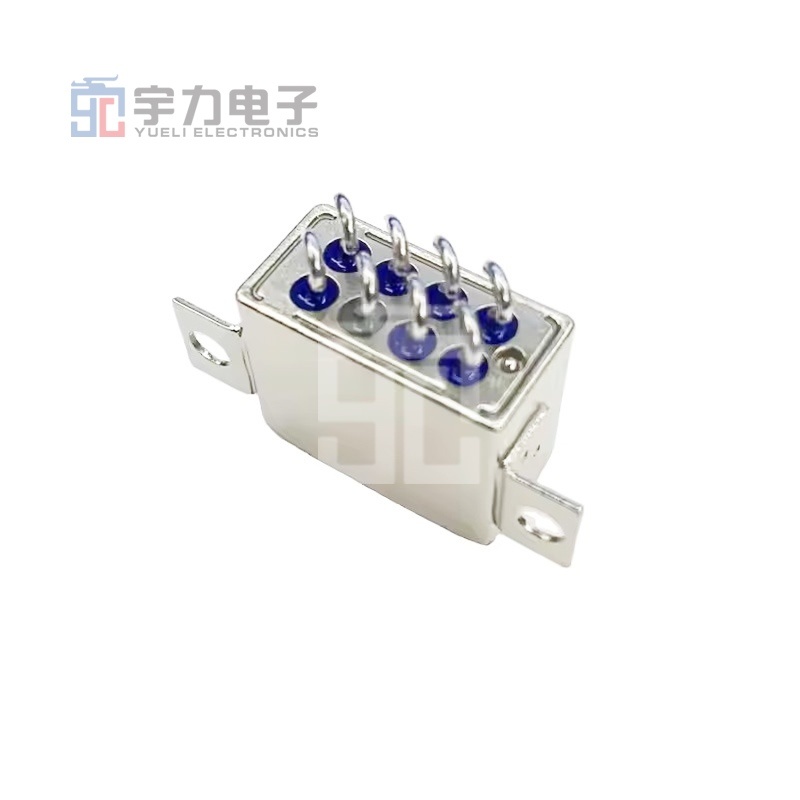
High power relays are specialized devices designed to switch large amounts of electrical power with minimal input. These relays play a crucial role in applications where high voltage and high current need to be controlled safely and efficiently. Understanding the technical specifications and operational principles of high power relays is essential for any professional working in the electronics components sector, particularly in the relay and switching devices field.
One of the primary considerations when selecting a high power relay is the current and voltage ratings. The relay must be capable of handling the maximum load without failure, which means that both the coil and contact ratings should be carefully evaluated. High power relays are typically rated for currents from several amperes up to thousands of amperes and voltages from 120V up to 1000V or more. Professionals should ensure that the selected relay meets or exceeds the requirements of the specific application to prevent overheating or damage.
Another critical factor to consider is the relay's switching speed and contact configuration. High power relays are often available in various configurations, including single-pole, double-pole, and multi-pole arrangements. The choice of configuration will depend on the application requirements, such as the number of circuits to be controlled and whether simultaneous switching is necessary.
Thermal management is also an essential aspect of using high power relays. These devices generate heat during operation, especially under heavy load conditions. Effective heat dissipation mechanisms, such as heat sinks or better airflow designs, can prolong the relay's lifespan and enhance reliability. Professionals should also consider the ambient temperature conditions and ensure that the relay’s specifications align with the operating environment.
In addition to technical specifications, professionals must also be mindful of the relay’s lifecycle and maintenance needs. Regular inspection for signs of wear, contamination, or corrosion can help prevent unexpected failures. Furthermore, understanding the relay's rated life in terms of switching cycles can assist in planning replacement schedules and minimizing downtime.
High power relays are integral to many high-demand applications, including industrial automation, automotive systems, and power distribution. By grasping the nuances of these components, professionals can make informed decisions that enhance system performance and reliability. Investing time in understanding high power relays will ultimately lead to improved designs and operational efficiency in various electronic applications.
One of the primary considerations when selecting a high power relay is the current and voltage ratings. The relay must be capable of handling the maximum load without failure, which means that both the coil and contact ratings should be carefully evaluated. High power relays are typically rated for currents from several amperes up to thousands of amperes and voltages from 120V up to 1000V or more. Professionals should ensure that the selected relay meets or exceeds the requirements of the specific application to prevent overheating or damage.
Another critical factor to consider is the relay's switching speed and contact configuration. High power relays are often available in various configurations, including single-pole, double-pole, and multi-pole arrangements. The choice of configuration will depend on the application requirements, such as the number of circuits to be controlled and whether simultaneous switching is necessary.
Thermal management is also an essential aspect of using high power relays. These devices generate heat during operation, especially under heavy load conditions. Effective heat dissipation mechanisms, such as heat sinks or better airflow designs, can prolong the relay's lifespan and enhance reliability. Professionals should also consider the ambient temperature conditions and ensure that the relay’s specifications align with the operating environment.
In addition to technical specifications, professionals must also be mindful of the relay’s lifecycle and maintenance needs. Regular inspection for signs of wear, contamination, or corrosion can help prevent unexpected failures. Furthermore, understanding the relay's rated life in terms of switching cycles can assist in planning replacement schedules and minimizing downtime.
High power relays are integral to many high-demand applications, including industrial automation, automotive systems, and power distribution. By grasping the nuances of these components, professionals can make informed decisions that enhance system performance and reliability. Investing time in understanding high power relays will ultimately lead to improved designs and operational efficiency in various electronic applications.
Xi'an Yuli Electronic Technology Co., Ltd.
Whats App:+8618122061211

Message consultation
Note: Please leave your contact information and our professionals will contact you as soon as possible!