Welcome to the official website of Xi'an Yuli Electronic Technology Co., Ltd.


Understanding Electromagnetic Relays: The Backbone of Smart Switching
2026-05-23
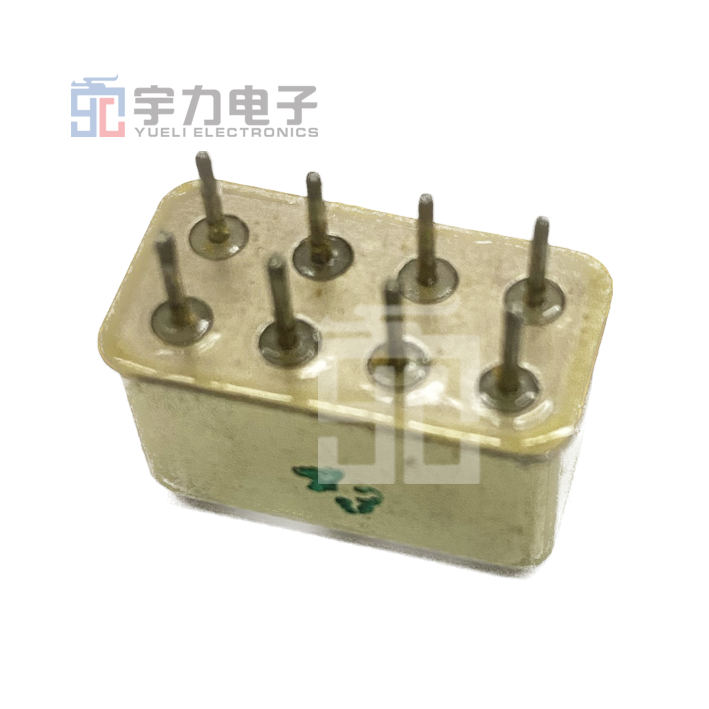
Electromagnetic relays are crucial components in the field of electronics, serving as the backbone for switching applications in various devices. At their core, an electromagnetic relay is a switch that operates using an electromagnet to mechanically open or close contacts in a circuit. When an electric current passes through the coil of the relay, it generates a magnetic field, which activates a lever mechanism to either connect or disconnect the circuit.
One of the primary advantages of electromagnetic relays is their ability to control high voltage and high current circuits using a low voltage signal. This feature is especially beneficial in applications where direct control of substantial loads is impractical or unsafe. For instance, in industrial automation, a low-power control signal can activate a relay that, in turn, controls heavy machinery or lighting systems.
Electromagnetic relays come in various configurations, including single-pole, double-pole, and even multi-contact designs, allowing for flexible application in different circuit setups. Each configuration offers unique advantages, making them suitable for a wide range of applications, from automotive systems to home appliances, and even telecommunications.
These relays are easy to integrate into electronic systems due to their straightforward design and operation. They can be used in conjunction with microcontrollers and other digital components, allowing for complex control schemes that improve the functionality of electronic devices. Additionally, electromagnetic relays provide electrical isolation between the control circuit and the load circuit, enhancing safety in applications where high voltages are present.
Another critical aspect of electromagnetic relays is their durability and reliability. These components are designed to withstand numerous switching cycles, making them ideal for applications requiring frequent operation. However, it is essential to consider factors such as contact rating, coil resistance, and thermal characteristics when selecting a relay for a specific application to ensure optimal performance and longevity.
In summary, electromagnetic relays are indispensable in electronic circuitry, enabling efficient control over various applications while providing safety and reliability. Understanding their operation and benefits allows engineers and technicians to implement these components effectively in their designs, driving innovation across numerous industries. Whether for small-scale projects or large industrial systems, the significance of electromagnetic relays cannot be overstated, making them a vital topic of study in electronics.
Previous:
Xi'an Yuli Electronic Technology Co., Ltd.
Whats App:+8618122061211

Message consultation
Note: Please leave your contact information and our professionals will contact you as soon as possible!