Welcome to the official website of Xi'an Yuli Electronic Technology Co., Ltd.


The History and Evolution of Electromagnetic Relays: A Comprehensive Overview
2026-05-20
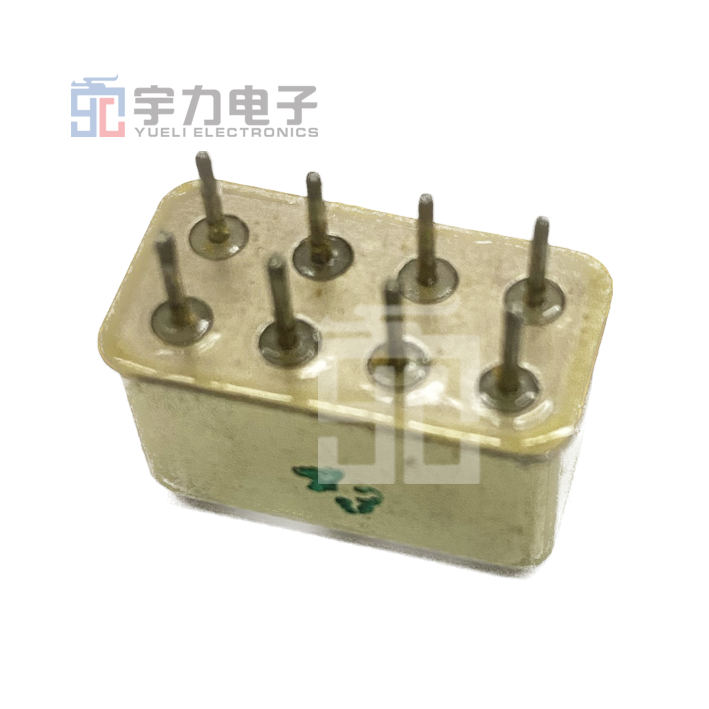
The History and Evolution of Electromagnetic Relays
Table of Contents
- 1. Introduction to Electromagnetic Relays
- 2. Early History of Electromagnetic Relays
- 3. The Mechanics of Electromagnetic Relays
- 4. Advancements in Electromagnetic Relay Technology
- 5. Applications of Electromagnetic Relays in Modern Industries
- 6. The Future of Electromagnetic Relays
- 7. Conclusion
- 8. Frequently Asked Questions (FAQs)
1. Introduction to Electromagnetic Relays
Electromagnetic relays are pivotal components in the world of electrical engineering. They act as switches, allowing a low-power signal to control a higher power circuit. By utilizing electromagnetic fields, relays provide a crucial link between different circuits, enabling automation and control in a myriad of applications. Understanding the history and evolution of these devices is essential for appreciating their role in modern technology.
2. Early History of Electromagnetic Relays
The concept of using electromagnetic principles to control circuits dates back to the early 19th century. **In 1835**, American inventor **Joseph Henry** demonstrated the potential of electromagnetism by showing how a current could activate a magnetic field. This foundational work laid the groundwork for future innovations in relay technology.
**In 1844**, **Samuel Morse** utilized Henry’s discoveries to create the first practical electromagnetic relay as part of the telegraph system. This relay enabled the transmission of messages over long distances, marking a significant milestone in communication technology. The ability to amplify signals through relay systems revolutionized telecommunication and laid the foundation for the interconnected world we live in today.
3. The Mechanics of Electromagnetic Relays
At its core, an electromagnetic relay consists of an **electromagnet**, an **armature**, and **contacts**. When an electric current flows through the coil of the electromagnet, a magnetic field is generated, which attracts the armature. This movement either closes or opens the contacts, completing or breaking the circuit.
**Basic Components of Electromagnetic Relays:**
- **Coil:** Generates magnetic field.
- **Armature:** Moves in response to the magnetic field.
- **Contacts:** Make or break connections in the circuit.
The mechanics are straightforward, yet the applications are vast, ranging from simple on/off functions to complex control systems in industrial automation.
4. Advancements in Electromagnetic Relay Technology
Over the years, electromagnetic relays have witnessed significant advancements. In the **early 20th century**, innovations such as **miniaturization** and the development of **mercury-wetted contacts** improved their reliability and lifespan. These advancements led to the adoption of relays in various sectors, including automotive, telecommunications, and home appliances.
**Key Developments:**
- **Miniaturization:** Enabled the integration of relays into smaller devices.
- **Solid-State Relays (SSRs):** Introduced in the 1970s, SSRs use semiconductor devices to perform the switching function, offering faster response times and longer lifespans.
- **Smart Relays:** Recent advancements include the incorporation of microcontrollers, allowing for programmable features and enhanced functionality.
This evolution reflects the constant pursuit of efficiency, reliability, and adaptability in relay technology.
5. Applications of Electromagnetic Relays in Modern Industries
Today, electromagnetic relays are integral to multiple applications across various industries. Their ability to control high-power devices while being operated by low-power signals makes them indispensable.
**Key Applications Include:**
- **Automotive Industry:** Used in vehicle control systems for lighting, engine management, and safety features.
- **Industrial Automation:** Essential for controlling machinery, manufacturing processes, and safety systems.
- **Telecommunications:** Facilitate signal control in switching systems and data routing.
- **Home Appliances:** Employed in devices such as refrigerators, washing machines, and HVAC systems for efficient operation.
The versatility and reliability of electromagnetic relays continue to make them a cornerstone in the design of modern electronic systems.
6. The Future of Electromagnetic Relays
As technology advances, the future of electromagnetic relays holds great promise. Innovations in **smart technology** and **IoT** (Internet of Things) are driving the need for more sophisticated relays that can communicate with other devices and systems.
**Emerging Trends:**
- **Integration with Artificial Intelligence:** Facilitating predictive maintenance and automated decision-making in industrial settings.
- **Enhanced Energy Efficiency:** New designs aim to reduce energy consumption while maintaining performance.
- **Advanced Materials:** Research into materials that improve durability and efficiency in harsh environments.
The evolution of electromagnetic relays is poised to continue, adapting to the demands of an increasingly interconnected world.
7. Conclusion
The journey of electromagnetic relays from their humble beginnings in the 19th century to their present-day applications showcases the ingenuity and innovation in electrical engineering. They have transformed how we control and automate systems, making our lives more efficient and connected. As we look to the future, the advancements in relay technology will undoubtedly play a crucial role in shaping the next generation of electronic devices and systems.
8. Frequently Asked Questions (FAQs)
What is the primary function of an electromagnetic relay?
The primary function of an electromagnetic relay is to act as a switch, allowing a low-power signal to control a higher power circuit.
How do electromagnetic relays work?
Electromagnetic relays operate by using an electric current to generate a magnetic field, which moves an armature to open or close contacts in a circuit.
What are the advantages of using electromagnetic relays?
Electromagnetic relays offer advantages such as reliable switching, the ability to control high power with low power, and versatility in various applications.
What industries commonly use electromagnetic relays?
Common industries include automotive, telecommunications, industrial automation, and home appliances.
What is the difference between electromagnetic relays and solid-state relays?
Electromagnetic relays use mechanical contacts to switch circuits, while solid-state relays use semiconductor devices, offering faster switching times and greater durability.
In summary, electromagnetic relays have come a long way since their inception, evolving to meet the demands of modern technology and continuing to play an essential role in various industries. Understanding their history and mechanics allows us to appreciate their significance and anticipate future innovations.
Xi'an Yuli Electronic Technology Co., Ltd.
Whats App:+8618122061211

Message consultation
Note: Please leave your contact information and our professionals will contact you as soon as possible!