Welcome to the official website of Xi'an Yuli Electronic Technology Co., Ltd.


Understanding Electromagnetic Contactors: Essential Components for Modern Electrical Systems
2026-05-18
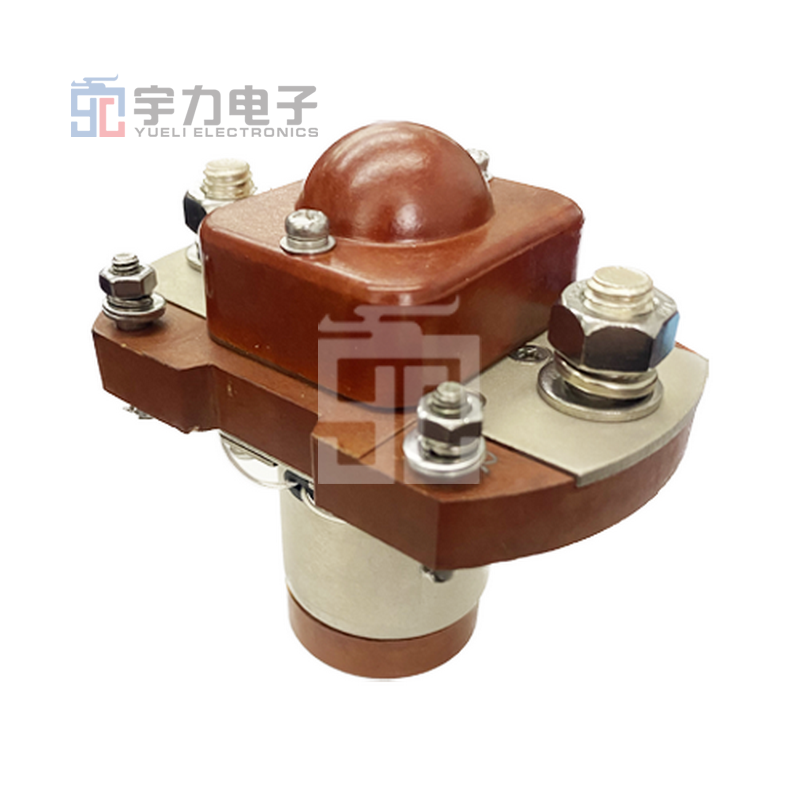
Electromagnetic contactors are electromechanical devices used to switch electrical circuits on and off. They are widely utilized in various applications, including motor control, lighting, and heating systems. The primary function of an electromagnetic contactor is to control a large amount of current with a smaller control signal, making them indispensable in modern electrical systems.
The operation of electromagnetic contactors is based on the principles of electromagnetism. When an electrical current flows through the coil of the contactor, it generates a magnetic field that attracts an armature. This action closes the contacts, allowing current to flow through the load. When the current to the coil is interrupted, the magnetic field collapses, and a spring mechanism returns the armature to its original position, opening the contacts and stopping the current flow.
One of the significant advantages of using electromagnetic contactors is their ability to handle high currents safely. They come with various ratings to accommodate different applications, ensuring that they can be tailored to specific needs. This versatility makes them suitable for use in industrial automation, HVAC systems, and other heavy-duty applications.
In addition to their primary function of switching, modern electromagnetic contactors often include features such as overload protection, which prevents damage to motors and other equipment. This safety aspect is crucial in preventing equipment failure and ensuring operational efficiency. Furthermore, many electromagnetic contactors are designed to be energy efficient, which contributes to lower operational costs and reduced environmental impact.
When selecting an electromagnetic contactor, several factors should be considered, including the voltage and current ratings, the type of load being controlled (inductive or resistive), and environmental conditions such as temperature and humidity. Ensuring that the contactor is appropriately rated for the intended application helps to maintain safety and reliability.
In conclusion, electromagnetic contactors are essential components in the realm of electrical engineering, providing a reliable means of controlling electrical circuits. Their ability to manage high currents, coupled with safety features and energy efficiency, makes them a preferred choice in numerous applications. Understanding the mechanics and advantages of electromagnetic contactors can empower professionals in the field to make informed decisions, optimizing their systems for better performance and longevity.
Xi'an Yuli Electronic Technology Co., Ltd.
Whats App:+8618122061211

Message consultation
Note: Please leave your contact information and our professionals will contact you as soon as possible!