Welcome to the official website of Xi'an Yuli Electronic Technology Co., Ltd.


Essential Insights into DC Contactors: Understanding Their Role in Electronic Components
2026-05-17
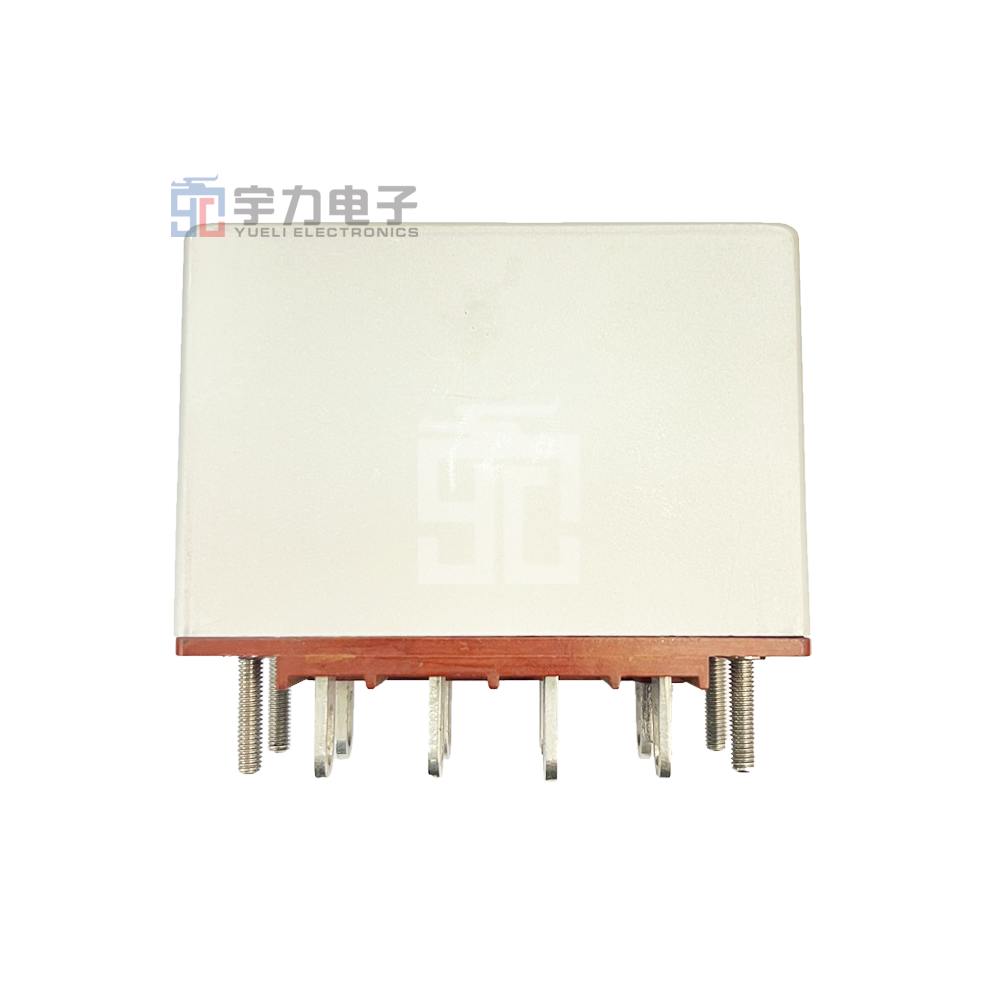
DC contactors are vital components in the realm of electronic devices, particularly in applications that involve direct current (DC) power. They are electrically operated switches that control the flow of electricity in circuits, allowing for efficient management of electrical loads. Understanding the characteristics and functionality of DC contactors is crucial for designers and engineers in various sectors, including automation, renewable energy, and electric vehicles.
At their core, DC contactors consist of an electromechanical relay, which uses electromagnetic force to open or close contacts within the circuit. This mechanism enables the control of high power loads without requiring direct manual operation. The primary role of a DC contactor is to ensure the reliable switching of circuits, making them essential for protecting sensitive components from voltage spikes and potential overloads.
One of the notable features of DC contactors is their ability to handle a wide range of current ratings. This capability allows them to be used in diverse applications, from small electronic devices to large-scale industrial machinery. Moreover, DC contactors are designed to operate efficiently with low heat generation, which is particularly important for maintaining system integrity and longevity.
When selecting a DC contactor, it is critical to consider factors such as coil voltage, contact configuration, and load type. The coil voltage determines the power required to activate the contactor, while the contact configuration (normally open or normally closed) dictates how the circuit will behave when the contactor is energized. Understanding the specific requirements of the application will lead to a more effective choice of a DC contactor.
In addition to basic operational parameters, the environment in which the contactor will be used also plays a significant role. Factors such as temperature, humidity, and exposure to contaminants can greatly affect the performance and lifespan of the contactor. It is advisable to select models that are rated for the specific environmental conditions they will encounter.
Another important consideration is the maintenance of DC contactors. Regular inspections and testing can help identify signs of wear or failure before they lead to significant issues. Implementing a preventive maintenance program can enhance the reliability and efficiency of the entire system.
In conclusion, DC contactors are crucial components for controlling electrical circuits in a variety of applications. Their ability to manage high power loads, combined with considerations for environmental conditions and maintenance, makes them indispensable in the field of electronic components. By understanding their functionality and practical application, professionals can leverage DC contactors to enhance the performance and reliability of their systems.
Previous:
Xi'an Yuli Electronic Technology Co., Ltd.
Whats App:+8618122061211

Message consultation
Note: Please leave your contact information and our professionals will contact you as soon as possible!