Welcome to the official website of Xi'an Yuli Electronic Technology Co., Ltd.


Understanding Sealed Relays: Essential Insights for Electronics Professionals
2025-04-06
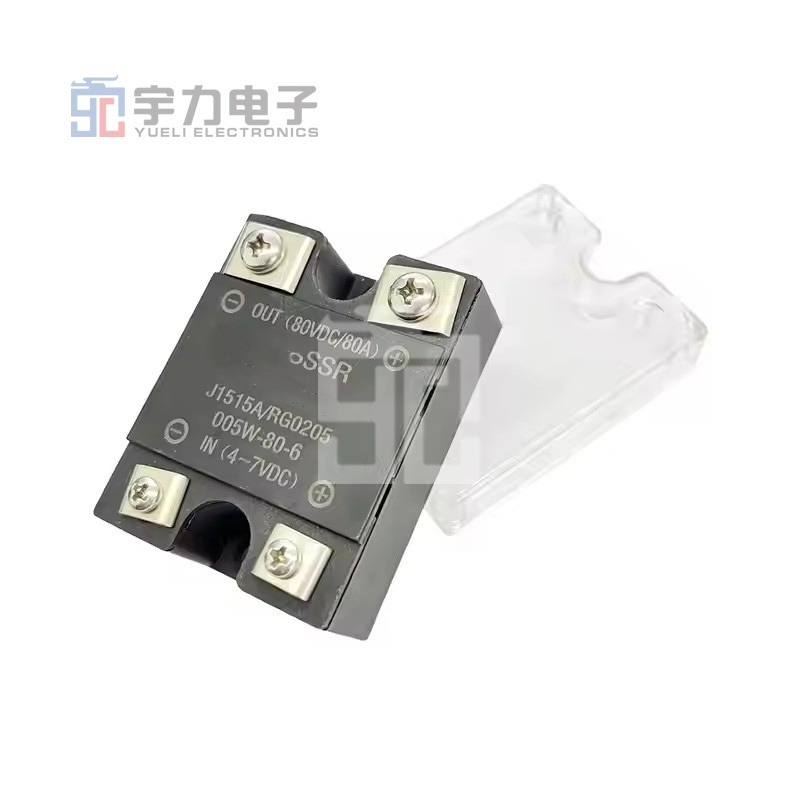
Sealed relays are essential components in many electronic systems, designed to provide reliable switching operations while protecting internal components from environmental factors. These relays are encased in a hermetically sealed enclosure, which prevents moisture, dust, and other contaminants from interfering with their performance. This characteristic makes sealed relays particularly valuable in applications where exposure to harsh conditions is a concern, such as automotive electronics, industrial machinery, and outdoor devices.
One of the primary advantages of sealed relays is their durability. The sealing mechanism not only safeguards the relay from the external environment but also enhances its lifespan. By minimizing exposure to corrosive elements, sealed relays can operate effectively over extended periods, contributing to lower maintenance costs and increased reliability. This reliability is critical in applications that require consistent performance, such as safety and control systems.
When selecting a sealed relay, it is crucial to consider several key factors. First, assess the electrical specifications, including the voltage and current ratings, as well as the coil resistance. Understanding these parameters ensures that the relay can handle the required load without failure. Additionally, consider the switching type—whether the relay is normally open (NO) or normally closed (NC)—as this will influence the overall circuit design and functionality.
Another significant aspect is the relay's response time and switching speed. In applications where rapid switching is essential, choosing a sealed relay with an appropriate response time can enhance overall system performance. Furthermore, evaluate the relay's compatibility with the control circuit, ensuring that it can be actuated effectively without requiring excessive power.
Thermal management is also an important consideration for sealed relays. High temperatures can adversely affect their performance and longevity. Therefore, understanding the relay's temperature ratings and ensuring proper ventilation in the installation environment can help mitigate thermal issues.
In summary, sealed relays are indispensable in the electronics sector due to their protective features and reliability. For professionals in this field, selecting the right sealed relay involves a careful evaluation of electrical specifications, switching characteristics, response times, and thermal considerations. Keeping these factors in mind will ensure the selection of a sealed relay that meets both performance and durability requirements, ultimately contributing to the success of electronic applications.
One of the primary advantages of sealed relays is their durability. The sealing mechanism not only safeguards the relay from the external environment but also enhances its lifespan. By minimizing exposure to corrosive elements, sealed relays can operate effectively over extended periods, contributing to lower maintenance costs and increased reliability. This reliability is critical in applications that require consistent performance, such as safety and control systems.
When selecting a sealed relay, it is crucial to consider several key factors. First, assess the electrical specifications, including the voltage and current ratings, as well as the coil resistance. Understanding these parameters ensures that the relay can handle the required load without failure. Additionally, consider the switching type—whether the relay is normally open (NO) or normally closed (NC)—as this will influence the overall circuit design and functionality.
Another significant aspect is the relay's response time and switching speed. In applications where rapid switching is essential, choosing a sealed relay with an appropriate response time can enhance overall system performance. Furthermore, evaluate the relay's compatibility with the control circuit, ensuring that it can be actuated effectively without requiring excessive power.
Thermal management is also an important consideration for sealed relays. High temperatures can adversely affect their performance and longevity. Therefore, understanding the relay's temperature ratings and ensuring proper ventilation in the installation environment can help mitigate thermal issues.
In summary, sealed relays are indispensable in the electronics sector due to their protective features and reliability. For professionals in this field, selecting the right sealed relay involves a careful evaluation of electrical specifications, switching characteristics, response times, and thermal considerations. Keeping these factors in mind will ensure the selection of a sealed relay that meets both performance and durability requirements, ultimately contributing to the success of electronic applications.
Xi'an Yuli Electronic Technology Co., Ltd.
Whats App:+8618122061211

Message consultation
Note: Please leave your contact information and our professionals will contact you as soon as possible!