Welcome to the official website of Xi'an Yuli Electronic Technology Co., Ltd.


Understanding Signal Relays: Essential Components in Electronics
2025-04-08
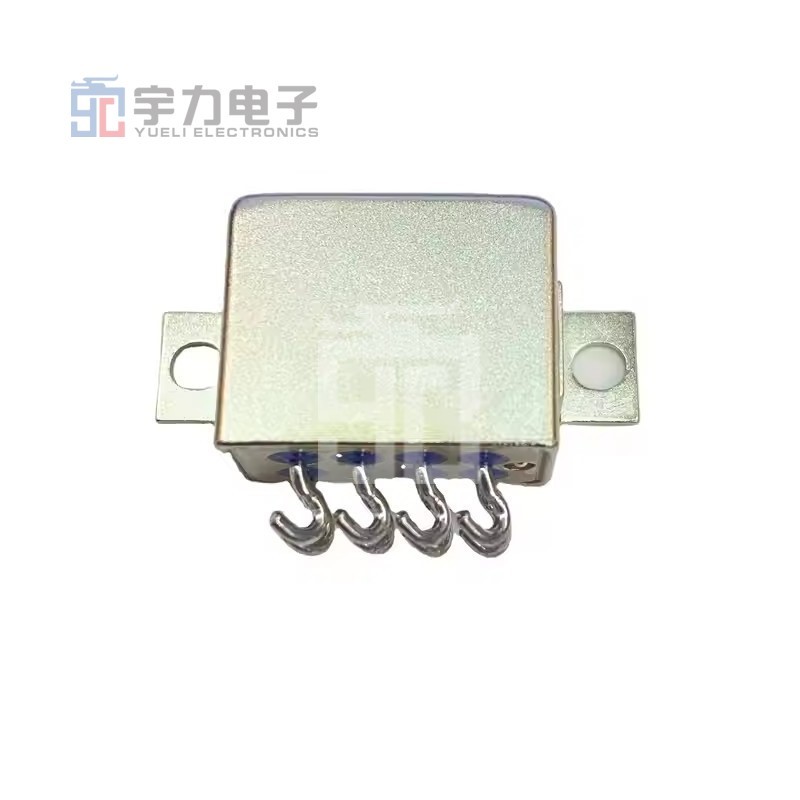
Signal relays are critical components in the field of electronics, serving as intermediary devices that control the flow of signals in various applications. A signal relay is essentially an electromechanical switch that allows one circuit to control another circuit, making them indispensable in systems where management of low-power signals is required. Understanding how signal relays operate and where they are applied can enhance your knowledge of electronic design and functionality.
At the core of a signal relay is an electromagnet that, when energized, creates a magnetic field. This field pulls a movable armature that opens or closes the contacts of the relay, thus controlling the flow of electricity between two circuits. The versatility of signal relays allows them to manage different types of signals, including analog and digital inputs, making them suitable for various applications ranging from telecommunications to industrial controls.
One of the primary advantages of using signal relays is their ability to isolate different parts of a system. By utilizing a signal relay, you can separate sensitive components from high-current or high-voltage circuits, thereby protecting them from potential damage. This isolation is crucial in maintaining the integrity and functionality of electronic systems, especially in applications where signal integrity is paramount.
Signal relays are also known for their reliability and longevity. With no physical contact between the control and output circuits (in certain types of solid-state relays), the wear and tear associated with traditional mechanical relays is significantly reduced. This feature makes signal relays ideal for applications that require frequent switching and high cycle rates, thus improving overall operational efficiency.
In terms of applications, signal relays are widely used in automation systems, automotive electronics, and consumer devices. For instance, they are integral in controlling the operation of alarms, lighting systems, and safety interlocks. The capability to manage multiple signals simultaneously makes them a popular choice among engineers and designers looking to streamline complex electronic systems.
Moreover, it is essential to consider the specifications of signal relays, such as coil voltage, contact rating, and switching time, to ensure optimal operation in your design. Each application may require different relay characteristics, and understanding these specifications can aid in selecting the right relay for your needs.
In conclusion, signal relays play a fundamental role in the functioning of electronic devices by facilitating the control and isolation of signals. Their ability to enhance system reliability and efficiency makes them vital components in a wide array of applications. Whether you are designing a new product or maintaining existing systems, a thorough understanding of signal relays and their functions will undoubtedly contribute to better electronic solutions.
At the core of a signal relay is an electromagnet that, when energized, creates a magnetic field. This field pulls a movable armature that opens or closes the contacts of the relay, thus controlling the flow of electricity between two circuits. The versatility of signal relays allows them to manage different types of signals, including analog and digital inputs, making them suitable for various applications ranging from telecommunications to industrial controls.
One of the primary advantages of using signal relays is their ability to isolate different parts of a system. By utilizing a signal relay, you can separate sensitive components from high-current or high-voltage circuits, thereby protecting them from potential damage. This isolation is crucial in maintaining the integrity and functionality of electronic systems, especially in applications where signal integrity is paramount.
Signal relays are also known for their reliability and longevity. With no physical contact between the control and output circuits (in certain types of solid-state relays), the wear and tear associated with traditional mechanical relays is significantly reduced. This feature makes signal relays ideal for applications that require frequent switching and high cycle rates, thus improving overall operational efficiency.
In terms of applications, signal relays are widely used in automation systems, automotive electronics, and consumer devices. For instance, they are integral in controlling the operation of alarms, lighting systems, and safety interlocks. The capability to manage multiple signals simultaneously makes them a popular choice among engineers and designers looking to streamline complex electronic systems.
Moreover, it is essential to consider the specifications of signal relays, such as coil voltage, contact rating, and switching time, to ensure optimal operation in your design. Each application may require different relay characteristics, and understanding these specifications can aid in selecting the right relay for your needs.
In conclusion, signal relays play a fundamental role in the functioning of electronic devices by facilitating the control and isolation of signals. Their ability to enhance system reliability and efficiency makes them vital components in a wide array of applications. Whether you are designing a new product or maintaining existing systems, a thorough understanding of signal relays and their functions will undoubtedly contribute to better electronic solutions.
Xi'an Yuli Electronic Technology Co., Ltd.
Whats App:+8618122061211

Message consultation
Note: Please leave your contact information and our professionals will contact you as soon as possible!