Welcome to the official website of Xi'an Yuli Electronic Technology Co., Ltd.


Understanding Signal Relays: Essential Components in Electronic Circuits
2025-05-06
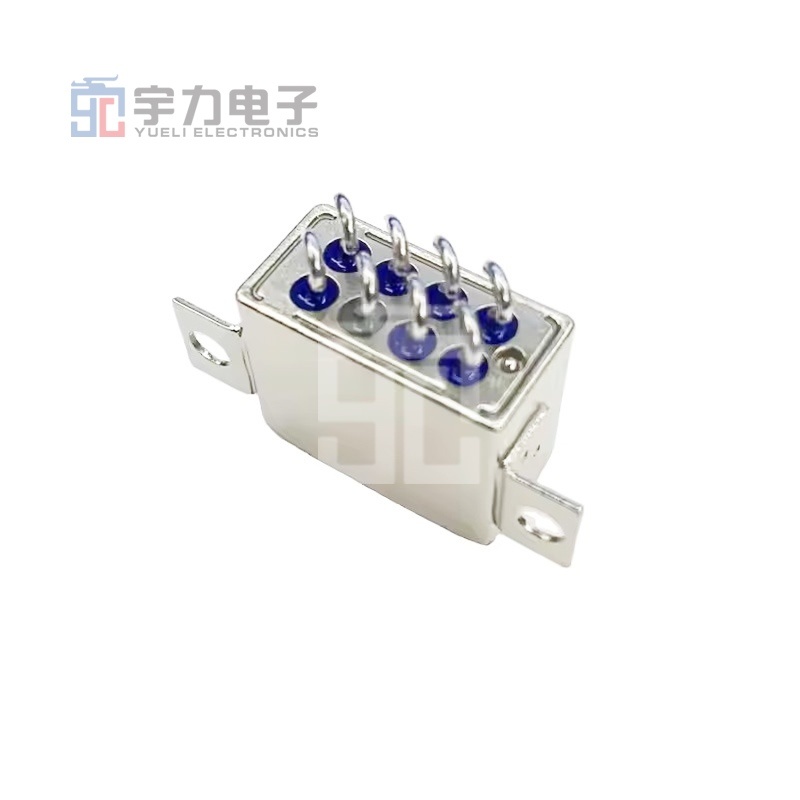
Signal relays are electromagnetic switches used in various electronic applications to control the flow of electricity. They are designed to handle small electrical signals, making them ideal for switching larger loads without the need for direct electrical connection. This capability allows for safer and more efficient circuit design, particularly in complex systems where space and power management are critical.
One of the key features of signal relays is their ability to isolate the control circuit from the load circuit. This isolation is essential for protecting sensitive components from voltage spikes or surges that could occur in higher voltage applications. As a result, signal relays help enhance the longevity and reliability of electronic devices.
Signal relays come in various configurations, including single-pole single-throw (SPST), single-pole double-throw (SPDT), and multiple-pole versions. Each configuration serves a specific purpose depending on the requirements of the circuit. For instance, SPST relays are commonly used in simple on/off applications, while SPDT relays offer more versatility, allowing for toggling between multiple outputs.
In terms of operating principles, signal relays function through an electromagnet that actuates a lever arm, which in turn opens or closes the switch contacts. This process is typically initiated by a low-power signal from a control circuit, such as a microcontroller or sensor. When the control signal is applied, the relay energizes, causing the contacts to change state, which allows or interrupts the flow of current in the load circuit.
Signal relays are prevalent in various industries, including telecommunications, automotive, and industrial automation. They are widely used in applications such as alarm systems, audio equipment, and remote control devices. Their compact size and reliable switching capabilities make them suitable for both consumer electronics and heavy-duty machinery.
When selecting a signal relay for a specific application, several factors should be considered, including the relay’s operating voltage, current rating, contact configuration, and response time. Understanding these parameters ensures that the chosen relay meets the operational requirements of the circuit while maintaining safety and efficiency.
In summary, signal relays are vital components in electronic systems, providing a reliable means to manage high-power loads with low-power signals. By understanding their features, functions, and applications, you can better utilize these components in your projects, ensuring optimal performance and reliability in your electronic designs.
One of the key features of signal relays is their ability to isolate the control circuit from the load circuit. This isolation is essential for protecting sensitive components from voltage spikes or surges that could occur in higher voltage applications. As a result, signal relays help enhance the longevity and reliability of electronic devices.
Signal relays come in various configurations, including single-pole single-throw (SPST), single-pole double-throw (SPDT), and multiple-pole versions. Each configuration serves a specific purpose depending on the requirements of the circuit. For instance, SPST relays are commonly used in simple on/off applications, while SPDT relays offer more versatility, allowing for toggling between multiple outputs.
In terms of operating principles, signal relays function through an electromagnet that actuates a lever arm, which in turn opens or closes the switch contacts. This process is typically initiated by a low-power signal from a control circuit, such as a microcontroller or sensor. When the control signal is applied, the relay energizes, causing the contacts to change state, which allows or interrupts the flow of current in the load circuit.
Signal relays are prevalent in various industries, including telecommunications, automotive, and industrial automation. They are widely used in applications such as alarm systems, audio equipment, and remote control devices. Their compact size and reliable switching capabilities make them suitable for both consumer electronics and heavy-duty machinery.
When selecting a signal relay for a specific application, several factors should be considered, including the relay’s operating voltage, current rating, contact configuration, and response time. Understanding these parameters ensures that the chosen relay meets the operational requirements of the circuit while maintaining safety and efficiency.
In summary, signal relays are vital components in electronic systems, providing a reliable means to manage high-power loads with low-power signals. By understanding their features, functions, and applications, you can better utilize these components in your projects, ensuring optimal performance and reliability in your electronic designs.
Xi'an Yuli Electronic Technology Co., Ltd.
Whats App:+8618122061211

Message consultation
Note: Please leave your contact information and our professionals will contact you as soon as possible!