Welcome to the official website of Xi'an Yuli Electronic Technology Co., Ltd.


Best Practices for Wiring Electromagnetic Relays Safely: A Comprehensive Guide
2025-06-12
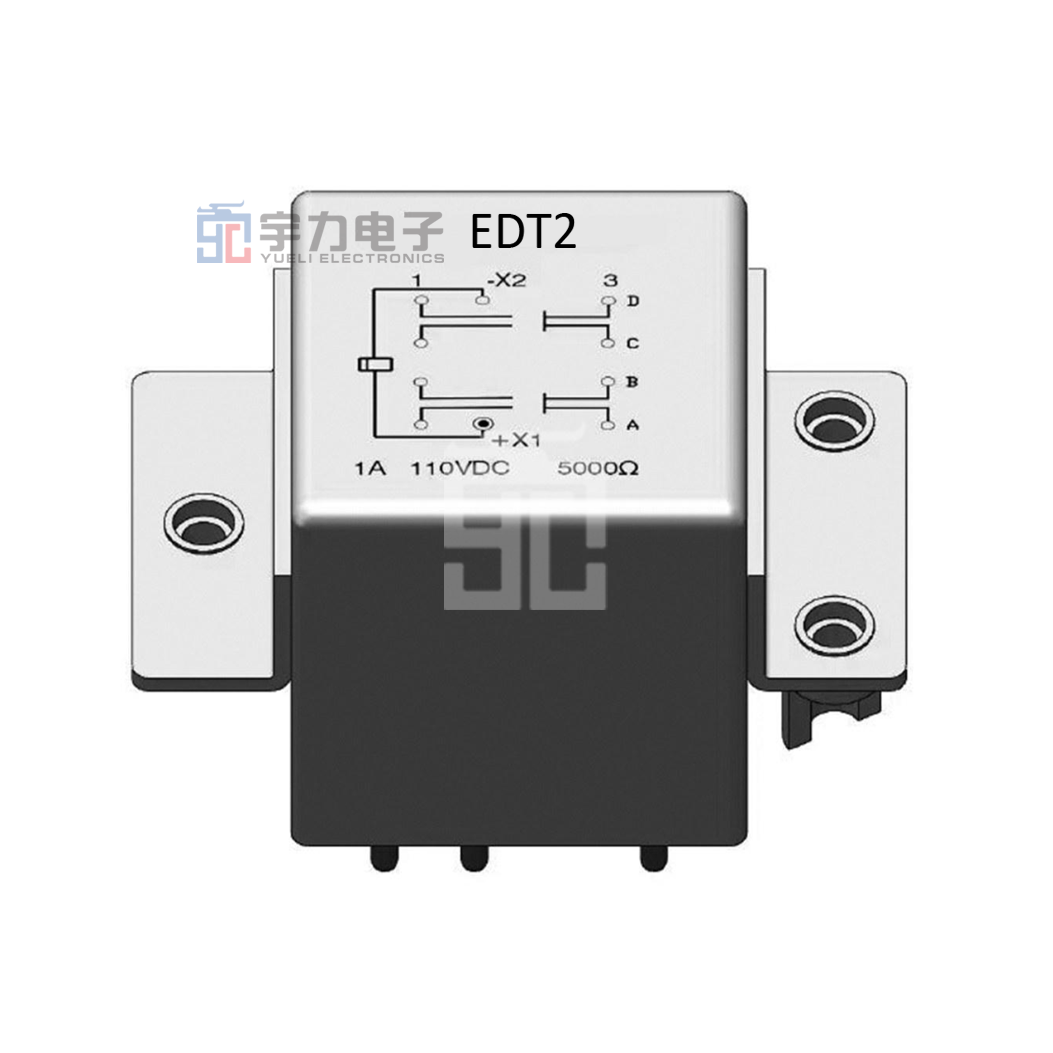
Best Practices for Wiring Electromagnetic Relays Safely
Table of Contents
- 1. Introduction to Electromagnetic Relays
- 2. Understanding Electromagnetic Relays
- 3. Safety First: Why Wiring Practices Matter
- 4. Essential Tools for Wiring Electromagnetic Relays
- 5. Step-by-Step Wiring Techniques
- 6. Common Mistakes to Avoid When Wiring Relays
- 7. Troubleshooting Wiring Issues
- 8. Conclusion: Ensuring Safe Wiring Practices
- 9. Frequently Asked Questions (FAQs)
1. Introduction to Electromagnetic Relays
Electromagnetic relays are crucial components in numerous electrical systems, acting as switches controlled by an electromagnetic coil. Understanding the best practices for wiring these devices is essential for those working in electronics and electrical engineering. Proper wiring not only enhances the functionality of relays but also ensures safety in various applications.
2. Understanding Electromagnetic Relays
Electromagnetic relays consist of two main parts: the coil and the contacts. The coil generates a magnetic field when an electrical current flows through it, causing the contacts to either open or close. This mechanism allows relays to control larger loads with smaller control signals, making them indispensable in various applications, from automotive systems to industrial automation.
The Importance of Relay Specifications
Before wiring a relay, it is vital to understand its specifications, including voltage ratings, current ratings, and the coil resistance. These details determine the relay's operational limits and compatibility with specific circuits.
3. Safety First: Why Wiring Practices Matter
Safety is paramount when working with electromagnetic relays. Improper wiring can lead to electrical failures, damaging equipment and posing hazards such as electrical shocks or fires. Adhering to industry standards and best practices minimizes these risks.
Electrical Hazards and Precautions
- **Always disconnect power** before beginning any wiring work.
- Use insulated tools to prevent accidental shocks.
- Wear personal protective equipment (PPE) such as gloves and safety goggles.
4. Essential Tools for Wiring Electromagnetic Relays
Having the right tools on hand can significantly streamline the wiring process. Here is a list of essential tools:
- **Wire Strippers**: For removing insulation from wires without damaging the conductor.
- **Screwdrivers**: To secure connections and components.
- **Multimeter**: For testing voltage, current, and resistance.
- **Soldering Iron**: For permanent connections, if needed.
- **Heat Shrink Tubing**: To insulate soldered connections and prevent short circuits.
5. Step-by-Step Wiring Techniques
Wiring electromagnetic relays requires precision and attention to detail. Here’s a step-by-step approach:
Step 1: Identify the Relay Terminals
Start by identifying the relay terminals. Typically, there are terminals for the coil (often labeled A1 and A2) and for the switching contacts (commonly labeled NO, NC, and C).
Step 2: Prepare the Wires
Use wire strippers to remove insulation from the ends of the wires. Make sure to leave enough exposed wire for secure connections.
Step 3: Connect the Coil Terminals
Connect the appropriate wires to the coil terminals. Ensure that the polarity matches the relay specifications. For DC relays, pay particular attention to positive and negative connections.
Step 4: Connect the Switching Contacts
Decide whether to use Normally Open (NO) or Normally Closed (NC) contacts based on your application. Connect the load wires to the correct terminals, ensuring a secure fit.
Step 5: Insulate Connections
Use heat shrink tubing or electrical tape to secure and insulate all connections. This step is vital to prevent accidental shorts and ensure longevity.
Step 6: Test the Relay
Once wired, power the circuit and test the relay’s operation. Use a multimeter to verify the functionality and ensure that the relay activates as intended.
6. Common Mistakes to Avoid When Wiring Relays
Even experienced electricians can make mistakes. Here are some common pitfalls to watch out for:
- **Incorrect Wiring**: Double-check connections against the relay’s schematics.
- **Overloading the Relay**: Ensure the load does not exceed the relay's rated capacity.
- **Neglecting Insulation**: Always insulate connections to prevent shorts and maintain safety.
7. Troubleshooting Wiring Issues
If a relay is not functioning as expected, effective troubleshooting can identify the problem. Consider these steps:
Step 1: Check Power Supply
Verify that the power supply is functioning and providing the necessary voltage.
Step 2: Inspect Connections
Check all connections for security and proper alignment. Loose or corroded connections can impede performance.
Step 3: Test the Relay
Using a multimeter, test the coil and contact terminals to ensure they are operational. If the relay does not activate, it may be faulty and require replacement.
8. Conclusion: Ensuring Safe Wiring Practices
Wiring electromagnetic relays safely is a crucial skill for professionals in the electrical and electronics industries. By following best practices, understanding the components involved, and utilizing the right tools, we can minimize risks and enhance the reliability of our projects. Remember, safety should always be the top priority.
9. Frequently Asked Questions (FAQs)
What is the purpose of an electromagnetic relay?
Electromagnetic relays serve as electrically operated switches, controlling larger loads with smaller control signals. They're commonly used in various applications ranging from home appliances to industrial machinery.
How do I know if my relay is working correctly?
You can test a relay using a multimeter to check for continuity and ensure that the coil and contacts are functioning properly. If the relay does not activate when power is supplied, it may be faulty.
What voltage should I use for the relay coil?
The voltage for the relay coil should match the specifications outlined by the manufacturer. Always refer to the relay's datasheet for correct voltage ratings.
Can I use a relay for high-current applications?
Yes, but ensure that the relay's current rating meets or exceeds the requirements of your application. Overloading a relay can lead to failure and potential hazards.
What safety precautions should I take when wiring relays?
Always disconnect power before starting work, use insulated tools, and wear appropriate safety gear. Additionally, verify all connections before testing the relay in a live circuit.
By implementing these best practices and being aware of common pitfalls, we can ensure safe and effective wiring of electromagnetic relays, leading to improved performance and reliability in our electrical systems.
Xi'an Yuli Electronic Technology Co., Ltd.
Whats App:+8618122061211

Message consultation
Note: Please leave your contact information and our professionals will contact you as soon as possible!