Welcome to the official website of Xi'an Yuli Electronic Technology Co., Ltd.


Three Phase Relay Applications You Didn't Know About: Unlocking Hidden Potential
2025-07-14
Three Phase Relay Applications You Didn't Know About: Unlocking Hidden Potential
Table of Contents
- 1. Introduction to Three Phase Relays
- 2. Understanding Three Phase Relays
- 3. Common Applications of Three Phase Relays
- 3.1 Motor Control: The Backbone of Industry
- 3.2 Overload Protection: Ensuring Equipment Longevity
- 3.3 Automation Systems: Enhancing Efficiency
- 4. Lesser-Known Applications of Three Phase Relays
- 5. Benefits of Using Three Phase Relays in Your Projects
- 6. Installation and Maintenance of Three Phase Relays
- 7. Frequently Asked Questions
- 8. Conclusion
1. Introduction to Three Phase Relays
In the realm of electrical engineering, three-phase systems are the cornerstone of power generation and distribution. Among the integral components in these systems are **three-phase relays**, which serve vital functions that often go unnoticed. These devices not only enhance the efficiency of electrical systems but also ensure safety and reliability. In this article, we will delve into the various applications of three-phase relays, highlighting both common and lesser-known uses that can maximize the potential of your electrical projects.
2. Understanding Three Phase Relays
2.1 Key Components of Three Phase Relays
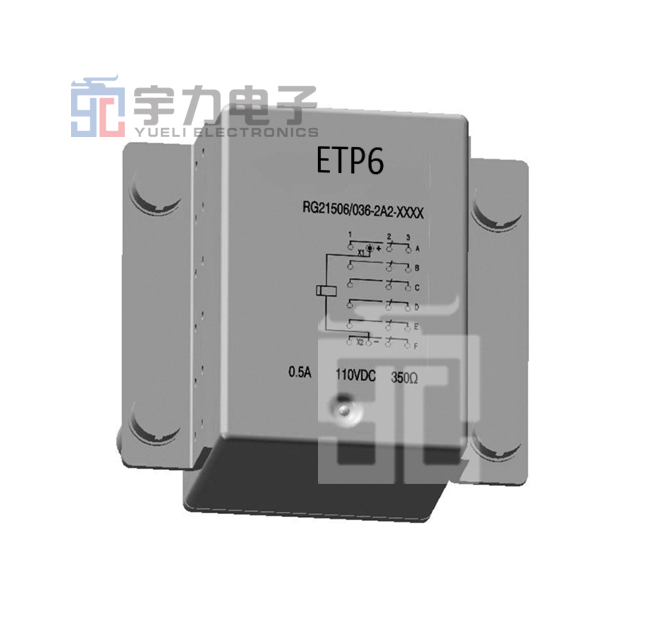
Three-phase relays consist of several key components that work together to perform their functions. These components include:
- **Coils**: Electromagnetic coils that respond to voltage levels.
- **Contacts**: Switch components that open or close circuits based on relay activation.
- **Terminals**: Connectors for electrical input and output.
- **Enclosure**: A protective casing that ensures the relay operates safely in various environments.
2.2 How Three Phase Relays Work
Three-phase relays operate based on the principles of electromagnetic induction. When a specific voltage is detected across the coils, an electromagnetic field is generated. This field activates the contacts, allowing or interrupting current flow. The relays can be designed to respond to various conditions, such as overloads, phase loss, or unbalanced loads, making them versatile tools in electrical systems.
3. Common Applications of Three Phase Relays
Three-phase relays are widely used in several industries due to their reliability and efficiency. Here are some common applications:
3.1 Motor Control: The Backbone of Industry
One of the primary applications of three-phase relays is **motor control**. These relays help in starting, stopping, and reversing the rotation of electric motors. They provide overload protection, ensuring that motors operate within safe limits, thus preventing damage and prolonging equipment life.
3.2 Overload Protection: Ensuring Equipment Longevity
Overload protection is crucial in safeguarding electrical equipment from damage caused by excessive current. Three-phase relays monitor current levels and disconnect the supply when an overload is detected. This feature is vital in industrial settings where motors and transformers are exposed to varying load conditions.
3.3 Automation Systems: Enhancing Efficiency
In modern automation systems, three-phase relays play a significant role in controlling and monitoring processes. They are integral to programmable logic controllers (PLCs) and can be used for various tasks, including process control, monitoring, and safety management. By ensuring that systems operate reliably, these relays contribute to increased productivity and reduced downtime.
4. Lesser-Known Applications of Three Phase Relays
While the common applications of three-phase relays are well known, several lesser-known uses can enhance system performance:
4.1 Renewable Energy Systems
Three-phase relays are increasingly being integrated into **renewable energy systems**, such as solar and wind power. They help manage the connection and disconnection of renewable energy sources to the grid, ensuring stability and efficiency. By monitoring input from renewable sources, these relays can optimize power distribution and support grid reliability.
4.2 Power Distribution Networks
In power distribution networks, three-phase relays are essential for monitoring and controlling the flow of electricity. They help maintain a balanced load across phases, preventing overloads and enhancing the efficiency of power delivery. Their role in monitoring phase angles can be crucial in detecting issues before they escalate into significant problems.
4.3 Smart Grid Technology
With the rise of smart grid technology, three-phase relays have found an important place in modern electrical infrastructure. They are used in smart meters and control systems to facilitate real-time monitoring and management of electricity use. This capability enhances energy efficiency and allows for better demand response and integration of distributed energy resources.
5. Benefits of Using Three Phase Relays in Your Projects
Implementing three-phase relays in your electrical systems comes with numerous benefits:
- **Increased Reliability**: They provide consistent performance, minimizing system failures.
- **Enhanced Safety**: By protecting against overloads and faults, they reduce the risk of accidents.
- **Efficiency Improvements**: Optimization of power usage leads to lower operational costs.
- **Versatility**: Their ability to adapt to various applications makes them suitable for diverse industries.
- **Ease of Maintenance**: Most three-phase relays are designed for easy installation and maintenance, reducing downtime.
6. Installation and Maintenance of Three Phase Relays
Proper installation and maintenance of three-phase relays are critical to ensuring their effectiveness. Here are some best practices:
- **Follow Manufacturer Guidelines**: Always adhere to the installation instructions provided by the manufacturer.
- **Regular Inspections**: Conduct periodic checks to identify wear and tear, ensuring that all components function correctly.
- **Testing**: Regularly test the relays under simulated conditions to verify their responsiveness and reliability.
- **Cleanliness**: Keep the installation area clean to prevent dust and debris from affecting relay performance.
7. Frequently Asked Questions
What is a three-phase relay?
A three-phase relay is an electrical device that monitors and controls three-phase systems, providing functions such as overload protection and motor control.
How do three-phase relays prevent overloads?
They monitor current flowing through the phases and disconnect the circuit when excessive current is detected, protecting equipment from damage.
Can three-phase relays be used in renewable energy systems?
Yes, they are commonly used in renewable energy applications to manage connections to the grid and optimize power distribution.
What are the main components of a three-phase relay?
The main components include coils, contacts, terminals, and a protective enclosure.
How often should three-phase relays be tested for functionality?
It is advisable to test them regularly, at least once a year, or more frequently in critical applications.
8. Conclusion
Three-phase relays are pivotal in modern electrical systems, playing essential roles in various applications, from motor control to smart grid technology. Understanding their functionalities and exploring both common and lesser-known applications can help engineers and technicians leverage their capabilities to enhance efficiency, safety, and reliability. By integrating three-phase relays into your electrical projects, you can unlock hidden potential and drive innovation in your operations. Embrace the versatility of three-phase relays and transform your approach to electrical management today.
Xi'an Yuli Electronic Technology Co., Ltd.
Whats App:+8618122061211

Message consultation
Note: Please leave your contact information and our professionals will contact you as soon as possible!