Welcome to the official website of Xi'an Yuli Electronic Technology Co., Ltd.


The Evolution of Aerospace Relays: From Concept to Reality
2025-08-13
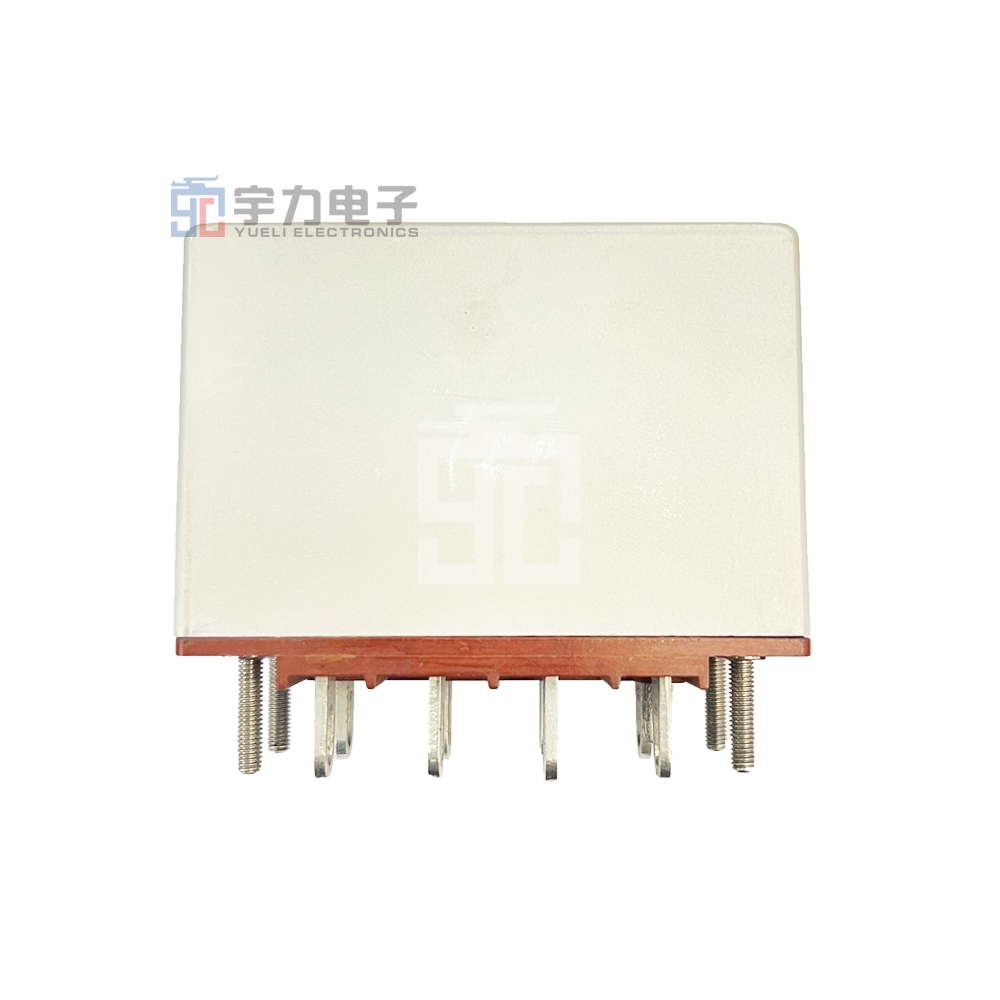
The Evolution of Aerospace Relays: From Concept to Reality
Table of Contents
1. Understanding Aerospace Relays
2. Historical Overview of Relay Technology
3. Key Components of Aerospace Relays
3.1 Electromechanical Relays
3.2 Solid-State Relays
3.3 Hybrid Relays
4. The Role of Aerospace Relays in Modern Aviation
5. Advancements in Relay Technology
5.1 Miniaturization and Weight Reduction
5.2 Enhanced Reliability and Performance
6. Future Trends in Aerospace Relay Technology
7. Applications of Aerospace Relays in the Aerospace Industry
8. FAQs About Aerospace Relays
9. Conclusion
1. Understanding Aerospace Relays
Aerospace relays serve as crucial components within various aircraft systems, responsible for controlling high-power circuits with a low-power signal. These electromechanical devices function as switches, allowing or interrupting electrical flow based on specific conditions. In the aviation industry, reliability and safety are paramount, making the evolution of aerospace relays an essential topic of discussion.
2. Historical Overview of Relay Technology
The journey of relay technology began in the early 19th century with the invention of the telegraph. As the demand for automation grew, engineers sought ways to control larger electrical systems remotely. The first aerospace relays emerged in the mid-20th century, coinciding with the rapid advancements in aviation technology during World War II. The need for more efficient and reliable control systems in military aircraft spurred innovation in relay design and application.
3. Key Components of Aerospace Relays
Understanding the components that constitute aerospace relays is vital for comprehending their functionality and evolution.
3.1 Electromechanical Relays
Electromechanical relays (EMRs) utilize a physical mechanism to open or close circuits. They consist of coils, contacts, and an armature. When electricity flows through the coil, it creates a magnetic field that moves the armature, closing the circuit. EMRs are known for their robustness but suffer from mechanical wear over time.
3.2 Solid-State Relays
Solid-state relays (SSRs) are a more modern alternative, relying on semiconductor devices to switch circuits without moving parts. This design enhances durability and performance, making SSRs ideal for applications requiring rapid switching. Their compact size and light weight further contribute to their growing popularity in aerospace applications.
3.3 Hybrid Relays
Hybrid relays combine features of both EMRs and SSRs, offering a balance between reliability and efficiency. They integrate mechanical components for high-power applications with solid-state technology for low-power control, making them versatile for various aerospace systems.
4. The Role of Aerospace Relays in Modern Aviation
In contemporary aviation, aerospace relays play a pivotal role in numerous systems, including navigation, flight control, and power management. Their ability to provide reliable circuit control directly impacts flight safety and operational efficiency. As aircraft become more advanced, the demand for sophisticated relay systems continues to rise, necessitating ongoing innovation.
5. Advancements in Relay Technology
The evolution of aerospace relays is marked by significant advancements that enhance their performance and reliability.
5.1 Miniaturization and Weight Reduction
As aircraft design prioritizes weight reduction for fuel efficiency, relay manufacturers have responded by developing smaller and lighter relay components. This trend towards miniaturization ensures that aerospace relays can be seamlessly integrated into compact spaces without compromising functionality.
5.2 Enhanced Reliability and Performance
Modern aerospace relays are engineered to withstand extreme environmental conditions, including temperature fluctuations and vibrations. Innovations in materials and manufacturing processes have led to relays with improved longevity and performance, ensuring they operate reliably throughout an aircraft’s lifecycle.
6. Future Trends in Aerospace Relay Technology
Looking ahead, several trends are set to shape the future of aerospace relay technology. The integration of smart technology into relays allows for real-time monitoring and diagnostics, enabling predictive maintenance and reducing downtime. Additionally, advancements in materials science may lead to the development of relays capable of operating in even harsher environments, supporting the next generation of aircraft.
7. Applications of Aerospace Relays in the Aerospace Industry
Aerospace relays find applications across various systems in aircraft, including:
- **Flight Control Systems:** Relays enable precise control of flight surfaces, enhancing maneuverability and safety.
- **Power Distribution Systems:** They manage the distribution of electrical power to critical components, ensuring reliable operation.
- **Avionics Systems:** Relays are integral to avionics systems, providing control over navigation and communication equipment.
8. FAQs About Aerospace Relays
**Q1: What is the primary function of aerospace relays?**
A1: Aerospace relays primarily serve to control high-power circuits using low-power signals, ensuring reliable operation in various aircraft systems.
**Q2: How do solid-state relays differ from electromechanical relays?**
A2: Solid-state relays do not have moving parts and use semiconductors for switching, while electromechanical relays rely on mechanical components to open and close circuits.
**Q3: What advancements have been made in aerospace relay technology?**
A3: Recent advancements include miniaturization, enhanced durability, and the integration of smart technology for real-time monitoring.
**Q4: Why is reliability crucial in aerospace relays?**
A4: Reliability is critical in aerospace relays due to the high stakes involved in aviation safety and the need for consistent performance under diverse operating conditions.
**Q5: What future trends can we expect in aerospace relay technology?**
A5: Future trends may include the development of smart relays with advanced diagnostics, improved materials for harsher environments, and further miniaturization for optimized aircraft design.
9. Conclusion
The evolution of aerospace relays from simple mechanical switches to sophisticated electronic devices reflects the broader advancements in aviation technology. As we move towards an era of smarter, more efficient aircraft, the role of aerospace relays will undoubtedly continue to grow. This ongoing evolution will not only enhance operational safety and efficiency but also pave the way for innovative applications that further revolutionize the aerospace industry. Whether through advancements in technology or the integration of new materials, the future of aerospace relays promises to be as dynamic as the aircraft they serve.
Xi'an Yuli Electronic Technology Co., Ltd.
Whats App:+8618122061211

Message consultation
Note: Please leave your contact information and our professionals will contact you as soon as possible!