Welcome to the official website of Xi'an Yuli Electronic Technology Co., Ltd.


Essential Maintenance Tips for Prolonging the Life of Your Three Phase Contactor
2025-08-17
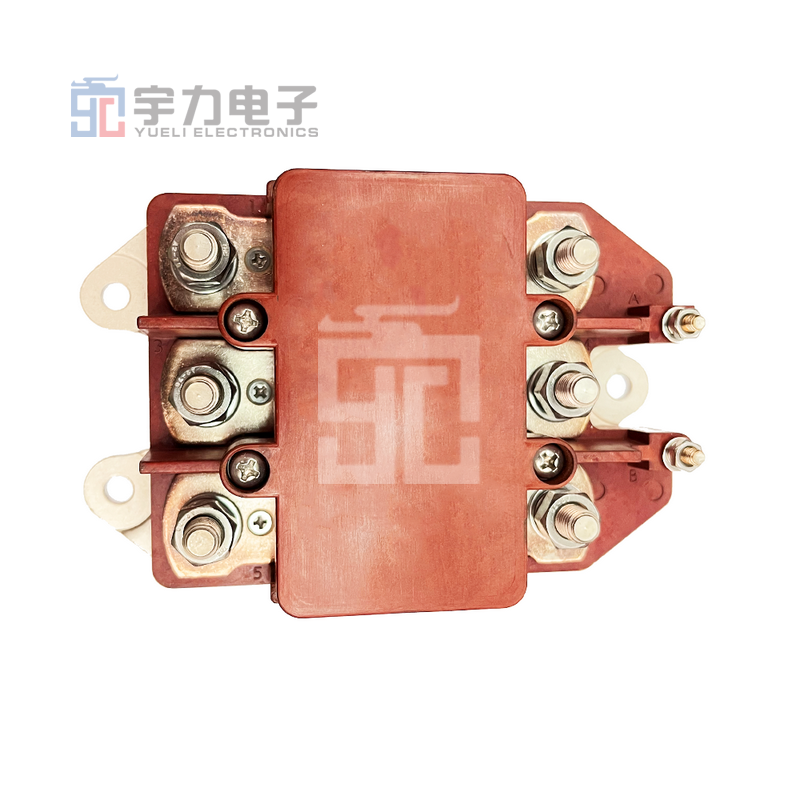
Essential Maintenance Tips for Prolonging the Life of Your Three Phase Contactor
Understanding the Role of a Three Phase Contactor
Three phase contactors are vital components in electrical systems, designed to switch electrical circuits on and off. They are widely used in industrial and commercial applications, controlling motors, lighting, and other equipment. Understanding their function is key to maintaining their efficiency and durability.
What Makes Three Phase Contactors Unique?
Compared to single-phase contactors, three phase contactors are built to handle higher loads and more complex electrical systems. They typically feature three sets of contacts, each responsible for controlling one phase of electricity. This design ensures balanced power distribution, which is crucial for the optimal performance of three-phase motors.
The Importance of Regular Maintenance
Regular maintenance is essential for ensuring that your three phase contactor operates smoothly and lasts longer. Neglecting maintenance can lead to increased wear and tear, resulting in costly repairs and downtime.
Why Maintenance Matters
Over time, dust, moisture, and electrical arcing can degrade the contactor’s components. Regular maintenance helps prevent these issues, which can cause overheating, failure, or even catastrophic equipment failure. Proactive measures can significantly extend the lifespan of your contactor.
Key Maintenance Tips for Longevity
1. Conduct Regular Visual Inspections
Performing routine visual inspections can help you identify potential issues before they escalate. Look for signs of wear, such as discoloration, corrosion, or burnt contacts. Ensure that all connections are secure and that there are no exposed wires.
What to Look For
- **Burnt or Discolored Contacts**: Indicates overheating or electrical arcing.
- **Corrosion**: Check terminals and connections for rust or oxidation.
- **Loose Connections**: Ensure all wiring is tight to prevent resistance.
2. Keep the Contactor Clean
Dust and debris can interfere with the performance of a three phase contactor. Regularly clean the exterior and interior components using a soft brush or compressed air. Ensure the power is turned off before cleaning to avoid electrical shock.
Cleaning Steps
1. Power down the equipment.
2. Remove any access covers.
3. Use compressed air to blow out dust and debris.
4. Wipe surfaces with a damp cloth if necessary.
3. Monitor Operating Conditions
Understanding the environment in which your contactor operates can help you maintain it effectively. Factors such as temperature, humidity, and exposure to contaminants can affect performance.
Ideal Operating Conditions
- **Temperature**: Ensure the contactor operates within its rated temperature range.
- **Humidity**: Keep moisture levels low to prevent corrosion.
- **Contaminants**: Protect from dust, chemicals, and other harmful substances.
4. Perform Electrical Testing
Regular electrical testing is crucial for identifying issues within the contactor. Use a multimeter to check for voltage and current levels, ensuring they are within expected ranges.
Testing Procedures
- **Voltage Testing**: Measure voltage across the contacts during operation.
- **Current Measurement**: Monitor the current draw to ensure it aligns with motor specifications.
- **Resistance Testing**: Check the coil and contact resistance for abnormalities.
5. Lubricate Moving Parts
Lubrication helps reduce friction and wear on moving parts within the contactor. Use a suitable lubricant sparingly to avoid attracting dust and dirt.
Lubrication Tips
- **Choose the Right Lubricant**: Use a non-conductive lubricant suitable for electrical components.
- **Apply Sparingly**: A little goes a long way; excessive lubricant can cause issues.
6. Test the Coil Functionality
The coil is a critical component in a three phase contactor, and testing its functionality is essential. Check for signs of burnout or short circuits.
Coil Testing Steps
1. Disconnect power and remove the coil.
2. Measure the coil resistance with a multimeter.
3. Replace the coil if resistance readings are outside the manufacturer's specifications.
Handling Common Issues
Identifying Signs of Wear
Recognizing the early signs of wear can prevent more significant issues. Look for the following indicators:
Common Symptoms
- **Frequent Tripping**: Indicates overload or failure.
- **Unusual Noises**: Grinding or clicking sounds can signify mechanical failure.
- **Inconsistent Performance**: Irregular operation can stem from electrical issues.
What to Do When Problems Arise
If you notice any signs of wear or malfunction, take immediate action. Avoid using the contactor until it has been properly inspected and repaired, as continued use can lead to more severe damage.
Best Practices for Installation
Proper installation is as vital as regular maintenance. Following the manufacturer's guidelines ensures optimal performance and longevity.
Installation Guidelines
1. **Follow Manufacturer Instructions**: Always refer to the installation manual.
2. **Use Appropriate Wiring**: Ensure conductors are rated for the load.
3. **Ensure Proper Mounting**: Use vibration dampening mounts if necessary.
FAQs about Three Phase Contactors
1. How often should I inspect my three phase contactor?
Regular inspections should be conducted every 6 to 12 months, depending on usage and environmental conditions.
2. What should I do if my contactor does not engage?
Check the coil voltage and ensure it is within specification. If the coil is functional, inspect other electrical connections.
3. Can I replace contactor contacts myself?
Yes, but ensure you are familiar with electrical safety procedures. Always disconnect power before attempting any maintenance.
4. How can I tell if my contactor is overheating?
Signs include a burnt smell, discoloration of components, and external heat. Monitor the operating temperature regularly.
5. What is the lifespan of a typical three phase contactor?
With proper maintenance, a good quality three phase contactor can last anywhere from 10 to 20 years.
Conclusion
Maintaining a three phase contactor is an essential practice for ensuring its efficiency and longevity. By following these maintenance tips and incorporating regular inspections, cleaning, electrical testing, and proper installation, you can significantly enhance the life of your contactor. Remember that proactive maintenance not only saves costs on repairs but also ensures operational reliability in your electrical systems. Investing time and effort in maintenance will pay off in the long run, keeping your operations running smoothly and efficiently.
Previous:
Xi'an Yuli Electronic Technology Co., Ltd.
Whats App:+8618122061211

Message consultation
Note: Please leave your contact information and our professionals will contact you as soon as possible!