Welcome to the official website of Xi'an Yuli Electronic Technology Co., Ltd.


Understanding Signal Relays: Essential Components in Electronic Systems
2025-10-07
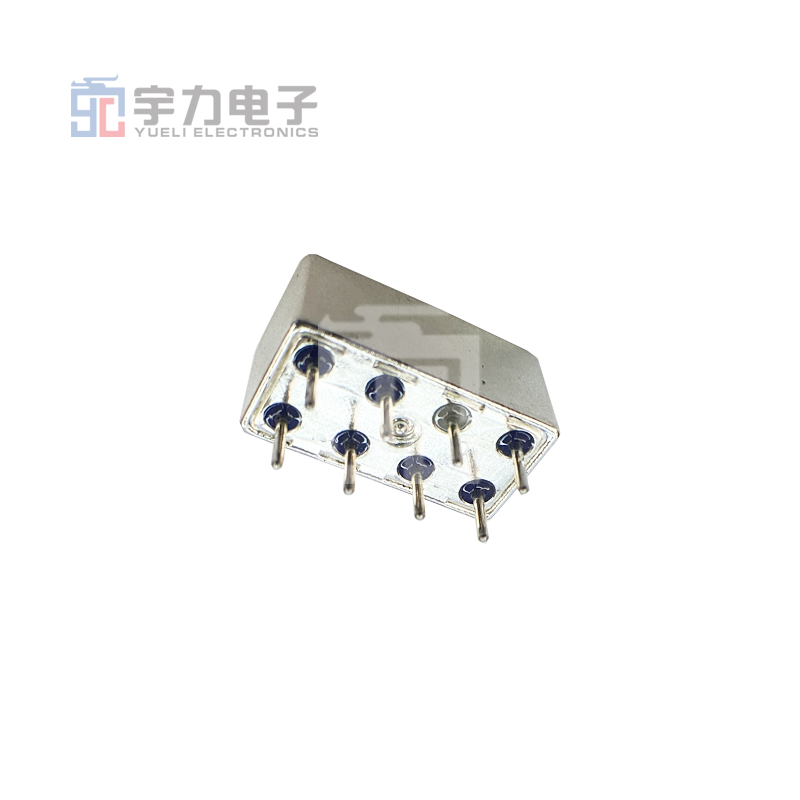
Signal relays are electromechanical switches designed to control a circuit by a low-power signal or to manage several circuits using one signal. They are essential components in various electronic systems, offering safe and efficient means of signal transmission and control.
One of the primary functions of signal relays is to isolate different parts of an electronic circuit. This isolation is vital for protecting sensitive components from voltage spikes and ensuring the overall reliability of the system. When a small input signal is applied to the relay's coil, it creates a magnetic field that activates the switch, ultimately allowing or interrupting the flow of current in the load circuit.
Signal relays come in various types, each suited for specific applications. The two most common types are electromechanical relays (EMRs) and solid-state relays (SSRs). EMRs are traditional relays that utilize mechanical movement to open or close the circuit. They are known for their robustness and ability to handle high voltage and current. On the other hand, SSRs use semiconductor devices to switch the circuit without moving parts, offering faster switching times and increased reliability due to the lack of mechanical wear and tear.
The applications of signal relays are diverse, spanning across industrial, automotive, telecommunications, and consumer electronics. In industrial settings, they are often used for automation and control systems, managing everything from motor controls to safety systems. In automotive electronics, signal relays help control various functions such as lighting and power distribution. In telecommunications, they play a vital role in signal routing, ensuring that communication remains uninterrupted.
When selecting a signal relay for a specific application, professionals must consider several factors, including load requirements, voltage ratings, switching speed, and environmental conditions. Understanding these specifications will help ensure that the chosen relay meets the operational demands of the application while maintaining efficiency and reliability.
In conclusion, signal relays are integral to modern electronic systems, providing essential functions in controlling and managing electrical signals. Their versatility and reliability make them indispensable in a wide range of applications. As technology continues to evolve, the role of signal relays will undoubtedly expand, making them a focal point for innovation in the electronics industry. Understanding their workings and applications is crucial for professionals looking to optimize their electronic systems effectively.
One of the primary functions of signal relays is to isolate different parts of an electronic circuit. This isolation is vital for protecting sensitive components from voltage spikes and ensuring the overall reliability of the system. When a small input signal is applied to the relay's coil, it creates a magnetic field that activates the switch, ultimately allowing or interrupting the flow of current in the load circuit.
Signal relays come in various types, each suited for specific applications. The two most common types are electromechanical relays (EMRs) and solid-state relays (SSRs). EMRs are traditional relays that utilize mechanical movement to open or close the circuit. They are known for their robustness and ability to handle high voltage and current. On the other hand, SSRs use semiconductor devices to switch the circuit without moving parts, offering faster switching times and increased reliability due to the lack of mechanical wear and tear.
The applications of signal relays are diverse, spanning across industrial, automotive, telecommunications, and consumer electronics. In industrial settings, they are often used for automation and control systems, managing everything from motor controls to safety systems. In automotive electronics, signal relays help control various functions such as lighting and power distribution. In telecommunications, they play a vital role in signal routing, ensuring that communication remains uninterrupted.
When selecting a signal relay for a specific application, professionals must consider several factors, including load requirements, voltage ratings, switching speed, and environmental conditions. Understanding these specifications will help ensure that the chosen relay meets the operational demands of the application while maintaining efficiency and reliability.
In conclusion, signal relays are integral to modern electronic systems, providing essential functions in controlling and managing electrical signals. Their versatility and reliability make them indispensable in a wide range of applications. As technology continues to evolve, the role of signal relays will undoubtedly expand, making them a focal point for innovation in the electronics industry. Understanding their workings and applications is crucial for professionals looking to optimize their electronic systems effectively.
Xi'an Yuli Electronic Technology Co., Ltd.
Whats App:+8618122061211

Message consultation
Note: Please leave your contact information and our professionals will contact you as soon as possible!