Welcome to the official website of Xi'an Yuli Electronic Technology Co., Ltd.


Three Phase Contactors: A Comprehensive Guide for Beginners
2025-10-12
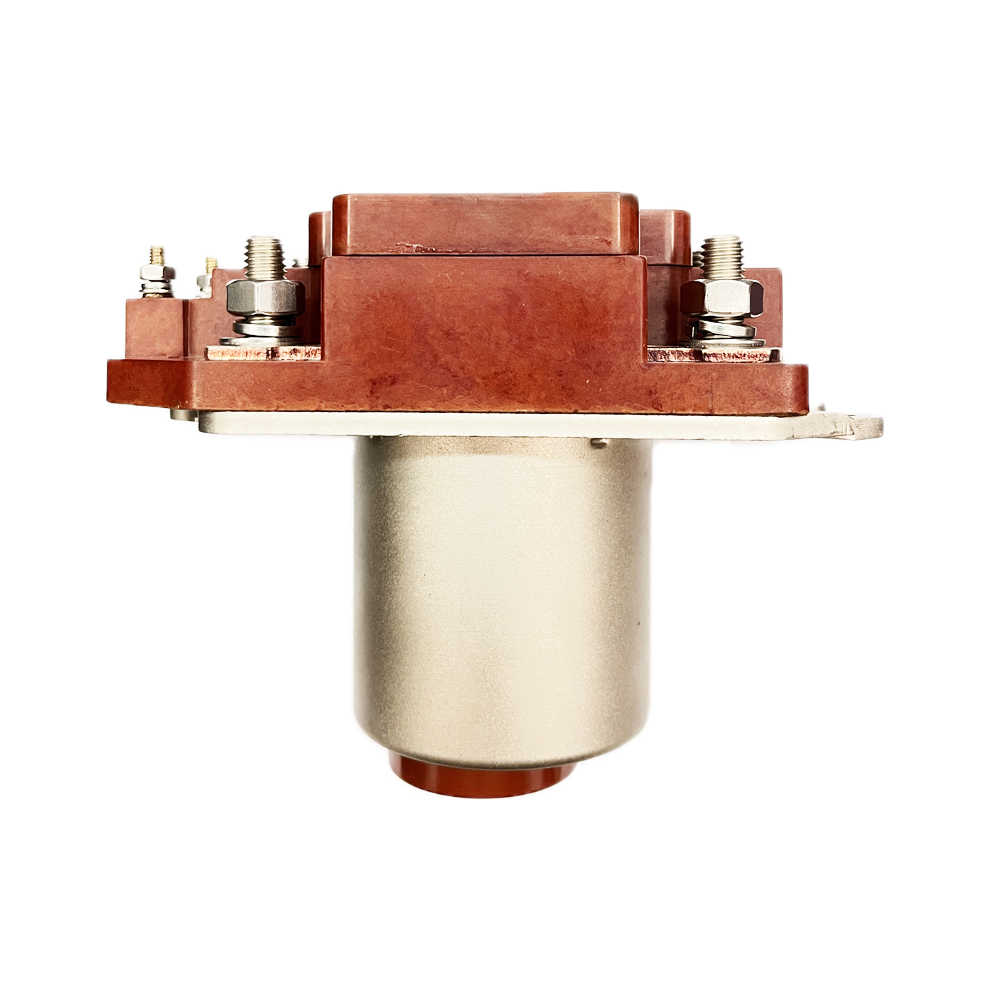
Three Phase Contactors: A Comprehensive Guide for Beginners
Table of Contents
- What is a Three Phase Contactor?
- How Do Three Phase Contactors Work?
- Types of Three Phase Contactors
- Applications of Three Phase Contactors
- Advantages of Three Phase Contactors
- Installation of Three Phase Contactors
- Maintenance of Three Phase Contactors
- Common Issues and Troubleshooting
- FAQs About Three Phase Contactors
- Conclusion
What is a Three Phase Contactor?
A three-phase contactor is an electrically operated switch designed to control the power supply to three-phase loads. It functions as a relay that connects or disconnects electrical circuits with high currents and voltages, making it essential in industrial applications. These devices are crucial for the safe and efficient operation of three-phase systems, used extensively in motors, transformers, and various electrical equipment.
How Do Three Phase Contactors Work?
Understanding the operation of three-phase contactors requires a grasp of their internal mechanisms. At the core of a contactor are electromagnetic coils that, when energized, create a magnetic field. This magnetic field pulls the contacts together, allowing current to flow through the load connected to the contactor.
Three-phase contactors typically have three main contacts for each phase and may include auxiliary contacts for additional functionalities like feedback or signaling. When the coil is de-energized, the magnetic field collapses, and springs return the contacts to their original open position, interrupting the power supply.
Key Components of a Three Phase Contactor
- Coil: The electromagnetic component that drives the switching action.
- Main Contacts: The primary switching contacts that manage the load current.
- Auxiliary Contacts: Additional contacts used for feedback or control functions.
- Housing: The casing that provides protection and insulation for the internal components.
Types of Three Phase Contactors
Three-phase contactors come in various types, each tailored for specific applications and requirements. Here are the most common types:
1. Standard Contactors
These are designed for general-purpose applications, capable of handling standard voltage and current levels. They are widely used in motors and lighting systems.
2. Heavy-Duty Contactors
Engineered for high-load applications, these contactors can manage larger currents and are often used in industrial settings for large motors and heavy machinery.
3. Motor Starters
Combining a contactor with overload protection, motor starters ensure safe operation and protect motors from damage due to overloads.
4. Reversing Contactors
These allow for the control of motor direction by using two contactors to reverse the phase sequence, commonly found in applications requiring bidirectional motor operation.
Applications of Three Phase Contactors
Three-phase contactors are versatile devices used in a variety of applications, including:
- Industrial Motors: They control the power supply to electric motors, ensuring efficient operation.
- HVAC Systems: Used in heating, ventilation, and air conditioning systems to manage compressors and fans.
- Lighting Control: Ideal for controlling large lighting circuits in industrial and commercial buildings.
- Transformer Switching: They can switch transformers in power distribution systems, enhancing reliability.
Advantages of Three Phase Contactors
Using three-phase contactors in electrical systems offers numerous benefits:
- Efficiency: They provide quick and reliable switching, improving the overall efficiency of electrical systems.
- Durability: Designed to withstand high electrical loads, they deliver long service life even in demanding environments.
- Safety: Built-in protection features such as overload relays help prevent equipment damage and enhance safety.
- Versatility: Suitable for various applications, from small-scale operations to large industrial setups.
Installation of Three Phase Contactors
Proper installation of three-phase contactors is crucial for optimal performance and safety. Here’s a step-by-step guide:
1. Choose the Right Location
Ensure that the installation area is free from excessive moisture, dust, and heat. A clean environment prolongs the contactor's life.
2. Check Electrical Specifications
Verify that the specifications of the contactor align with the electrical load requirements, including voltage and current ratings.
3. Mount the Contactor
Securely mount the contactor on a non-conductive surface using screws or brackets, ensuring it is stable and accessible for maintenance.
4. Connect Wires
Follow the wiring diagram provided by the manufacturer. Properly connect the input and output terminals, ensuring there are no loose connections.
5. Test Operation
Before full-scale operation, conduct a test to ensure the contactor operates correctly and all safety measures are in place.
Maintenance of Three Phase Contactors
Regular maintenance of three-phase contactors is essential to ensure their longevity and reliability:
1. Routine Inspections
Conduct frequent visual inspections for signs of wear, corrosion, or damage. Look for any accumulated dirt or dust that might impede operation.
2. Clean Contacts
Periodically clean the contacts to prevent oxidation and ensure efficient electrical conduction.
3. Test Functionality
Perform electrical tests on the contactor to check for proper operation. Ensure it opens and closes as intended under load conditions.
Common Issues and Troubleshooting
Even with proper installation and maintenance, issues may arise. Here are some common problems and their solutions:
1. Contact Welding
This occurs when contacts fuse together due to excessive current. If found, replace the contactor immediately to avoid further damage.
2. Coil Burnout
Coil burnout can result from voltage spikes. Ensure voltage regulation is in place to prevent this issue.
3. Poor Connections
Loose connections can lead to intermittent operation. Check and tighten all connections regularly.
FAQs About Three Phase Contactors
1. What is the primary function of a three-phase contactor?
The primary function is to control the power supply to three-phase electrical loads, acting as a switch that can be activated or deactivated remotely.
2. Can three-phase contactors be used for single-phase applications?
While they are designed for three-phase systems, they can be used in single-phase applications, though it is not common practice.
3. How do I choose the right contactor for my application?
Consider the voltage and current ratings, the type of load being controlled, and any additional features required, such as overload protection.
4. How often should I maintain my contactor?
Regular inspections should be conducted at least every six months, with thorough maintenance performed annually or as needed based on operational conditions.
5. What are the signs that a contactor needs replacement?
Signs include frequent tripping, burnt contacts, unusual noises during operation, or failure to operate when commanded.
Conclusion
Three-phase contactors are vital components in modern electrical systems, offering reliability, efficiency, and safety across various applications. Understanding their workings, types, applications, and maintenance can empower you to make informed decisions whether you are an engineer, technician, or DIY enthusiast. With this comprehensive guide, we hope you are now well-equipped to navigate the world of three-phase contactors, ensuring optimal performance in your electrical projects.
Previous:
Xi'an Yuli Electronic Technology Co., Ltd.
Whats App:+8618122061211

Message consultation
Note: Please leave your contact information and our professionals will contact you as soon as possible!