Welcome to the official website of Xi'an Yuli Electronic Technology Co., Ltd.


High Power Contactors: Your Gateway to Unmatched Motor Control Efficiency
2025-10-14
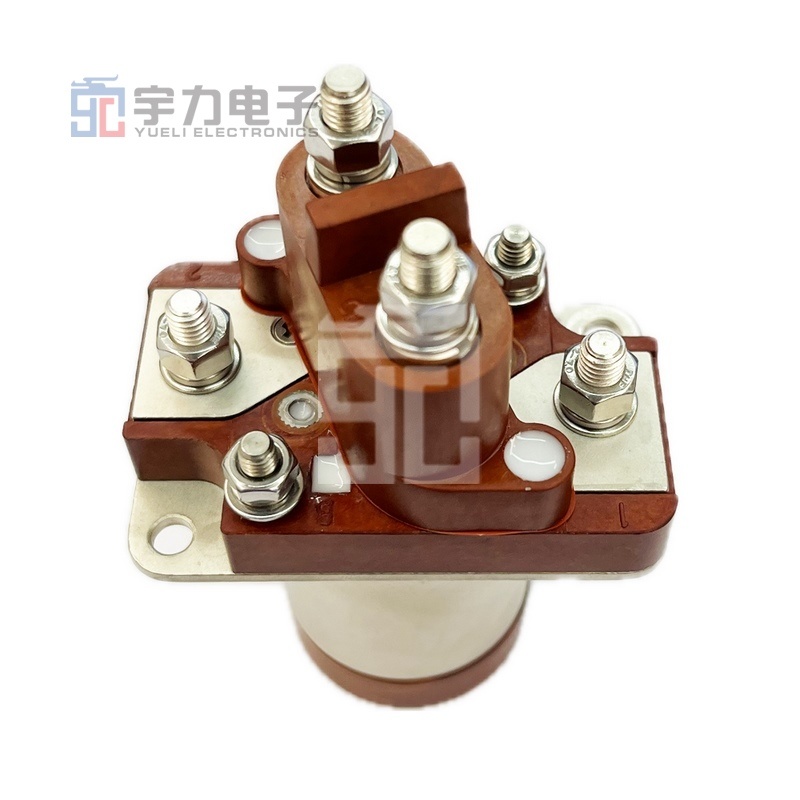
High Power Contactors: The Key to Reliable Motor Control
Introduction to High Power Contactors
High power contactors are essential electrical devices that serve a crucial role in controlling electric motors and other high-current applications. They are designed to switch large amounts of electrical power on and off, making them indispensable in industrial settings. With the increasing demand for efficient motor control solutions, understanding the intricacies of high power contactors becomes paramount.
Understanding the Basics of High Power Contactors
What is a High Power Contactor?
At its core, a high power contactor is an electrically controlled switch used to manage the flow of electricity in high-voltage circuits. These devices can handle substantial current loads, making them ideal for applications such as motor starters, heating equipment, and lighting control systems.
How Do High Power Contactors Work?
High power contactors operate on the principle of electromagnetic induction. When a control voltage is applied, an electromagnetic coil energizes, creating a magnetic field that pulls a movable contact into contact with a stationary contact. This process completes the circuit, allowing current to flow. When the control voltage is removed, the magnetic field dissipates, and springs return the contacts to their original positions, interrupting the current flow.
Types of High Power Contactors
Electromechanical Contactors
Electromechanical contactors are the most common type, characterized by their robust construction and reliability. They are suitable for various applications and can operate continuously under heavy loads. The advantages of electromechanical contactors include their ability to handle high inrush currents and their straightforward design, making them easy to maintain.
Solid-State Contactors
Solid-state contactors (SSCs) use semiconductor devices to switch electrical loads without moving parts. They offer several advantages over traditional electromechanical contactors, including faster switching times, reduced noise, and increased durability. SSCs are ideal for high-speed applications and environments where mechanical wear could be an issue.
Applications of High Power Contactors
Industrial Motor Control
High power contactors are widely used in industrial motor control applications where the ability to switch large currents on and off is critical. They ensure smooth operation and protection of electric motors in manufacturing plants, conveyors, and other machinery.
Heating Systems
In heating applications, high power contactors play a vital role in controlling electric heaters and furnaces. They help regulate temperature and maintain consistent heating levels, which is essential for processes requiring precise thermal control.
Lighting Control
High power contactors are commonly used in lighting control systems, particularly for large-scale installations like stadiums and warehouses. They offer a reliable means of controlling lighting circuits, ensuring energy efficiency and safety.
Advantages of Using High Power Contactors
Enhanced Reliability
High power contactors are designed for durability and reliability. Their robust construction enables them to operate under extreme conditions, minimizing the risk of failure in critical applications.
Improved Efficiency
By effectively controlling the power supplied to motors and other devices, high power contactors enhance the overall efficiency of electrical systems. This leads to energy savings and reduced operational costs.
Safety Features
Modern high power contactors come equipped with advanced safety features, such as overload protection and fault detection. These mechanisms help prevent damage to electrical systems and ensure safe operation.
Choosing the Right High Power Contactor
Factors to Consider
When selecting a high power contactor, several factors should be considered:
- **Load Requirements**: Assess the current and voltage ratings needed for your application.
- **Environmental Conditions**: Determine whether the contactor will be exposed to harsh conditions, such as moisture, dust, or extreme temperatures.
- **Control Voltage**: Ensure compatibility with the control voltage used in your system.
- **Operating Frequency**: Consider the frequency of operation to determine if electromechanical or solid-state contactors are more suitable.
Installation and Maintenance Tips
Proper installation and maintenance of high power contactors are essential for optimal performance. Here are some tips:
- **Follow Manufacturer Guidelines**: Always adhere to the installation instructions provided by the manufacturer.
- **Regular Inspections**: Conduct routine inspections to detect wear and tear or any signs of damage.
- **Clean Connections**: Ensure that all electrical connections are clean and free from corrosion to maintain efficient operation.
- **Test Operational Performance**: Periodically test the contactor's performance to ensure it is functioning correctly.
Common Issues and Troubleshooting
Identifying Problems with High Power Contactors
High power contactors, like any electrical component, may encounter issues over time. Common problems include:
- **Contact Welding**: This occurs when contacts fuse together due to excessive current, preventing the contactor from opening.
- **Coil Burnout**: A damaged coil can lead to failure in activating the contactor.
- **Overheating**: High temperatures can result from inadequate cooling or excessive current flow, potentially damaging the contactor.
Troubleshooting Steps
To troubleshoot issues with high power contactors:
1. **Check Connections**: Inspect all wiring and connections for security and integrity.
2. **Measure Voltage**: Use a multimeter to ensure the control voltage is within the specified range.
3. **Inspect for Damage**: Look for signs of physical damage to contacts or coils.
4. **Test Functionality**: Manually activate the contactor to verify operation.
Future Trends in High Power Contactors
Smart Technology Integration
The integration of smart technology is poised to revolutionize high power contactors. Features such as remote monitoring, predictive maintenance, and advanced diagnostics will enhance operational efficiency and reliability.
Energy Efficiency Standards
As industries focus more on sustainability, high power contactors will need to meet stricter energy efficiency standards. This will drive innovation in design and materials, leading to more efficient products.
Frequently Asked Questions (FAQs)
1. What is the difference between a contactor and a relay?
A contactor is designed for high-power applications and can handle larger current loads, while a relay is typically used for lower power applications.
2. Can high power contactors be used in residential applications?
While primarily used in industrial settings, high power contactors can be used in residential applications where high power loads are necessary, such as electric water heaters.
3. How often should high power contactors be maintained?
Regular maintenance checks are recommended at least once a year. However, more frequent checks may be necessary in high-use environments.
4. Are solid-state contactors more reliable than electromechanical contactors?
Solid-state contactors generally offer greater reliability due to the absence of moving parts, which can lead to wear over time.
5. What safety features should I look for in a high power contactor?
Look for features such as overload protection, fault detection, and thermal protection to ensure safe operation.
Conclusion
High power contactors are indispensable components in modern electrical systems, ensuring reliable control over motors and other high-power applications. Understanding their types, functionality, and maintenance is crucial for optimizing performance and enhancing safety. As technology continues to evolve, the integration of smart solutions and energy-efficient designs will only strengthen the role of high power contactors in various industries. By choosing the right contactor and following best practices for installation and maintenance, industries can achieve unprecedented levels of efficiency and reliability in their motor control systems.
Xi'an Yuli Electronic Technology Co., Ltd.
Whats App:+8618122061211

Message consultation
Note: Please leave your contact information and our professionals will contact you as soon as possible!