Welcome to the official website of Xi'an Yuli Electronic Technology Co., Ltd.


Understanding Radio Frequency Relays: Essential Components for Modern Electronics
2025-10-23
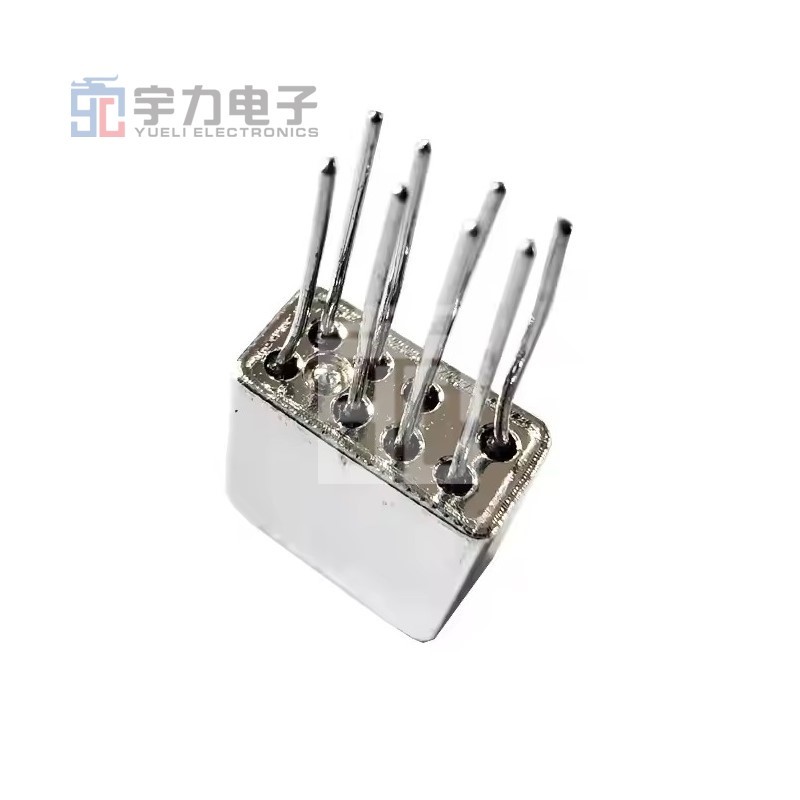
Radio frequency relays are pivotal components in the realm of electronic devices, particularly in systems that operate within high-frequency environments. These relays serve as switching devices that utilize electromagnetic energy to control a circuit's operation without physical contact. Their primary function is to manage power and signal flow in various applications, including telecommunications, remote controls, and automated systems.
One of the significant advantages of radio frequency relays is their ability to operate efficiently at high frequencies. Traditional electromechanical relays often face limitations in switching speeds and operational frequency ranges, which can hinder their effectiveness in modern electronic applications. In contrast, radio frequency relays are specifically designed to handle the rapid signal changes typical in RF environments, making them ideal for applications such as wireless communication and data transmission.
The construction of a radio frequency relay typically includes a coil, armature, and contacts, similar to standard relays. However, the materials and design of these components are optimized to minimize losses due to resistance and inductance at high frequencies. This optimization leads to enhanced performance and reliability, which is crucial in applications where signal integrity is paramount.
Another key feature of radio frequency relays is their ability to provide isolation between different parts of a circuit, preventing interference and crosstalk. This is particularly important in intricate electronic systems where multiple signals are transmitted simultaneously. The isolation ensures that one circuit's activity does not negatively impact another, thereby maintaining overall system performance.
Radio frequency relays also play a crucial role in remote control applications. They enable devices to be operated from a distance, making them essential in consumer electronics, industrial automation, and smart home systems. By converting control signals into mechanical movement or circuit switching without direct physical connections, these relays enhance usability and flexibility in system designs.
In summary, radio frequency relays are indispensable components in the field of electronics, especially in applications requiring high-speed operation, efficient power management, and reliable signal integrity. Their ability to function effectively in RF environments and provide isolation makes them a popular choice for engineers and designers working on advanced electronic systems. Understanding their functionality and advantages can significantly aid in selecting the right components for your electronic projects, ensuring optimal performance and longevity.
One of the significant advantages of radio frequency relays is their ability to operate efficiently at high frequencies. Traditional electromechanical relays often face limitations in switching speeds and operational frequency ranges, which can hinder their effectiveness in modern electronic applications. In contrast, radio frequency relays are specifically designed to handle the rapid signal changes typical in RF environments, making them ideal for applications such as wireless communication and data transmission.
The construction of a radio frequency relay typically includes a coil, armature, and contacts, similar to standard relays. However, the materials and design of these components are optimized to minimize losses due to resistance and inductance at high frequencies. This optimization leads to enhanced performance and reliability, which is crucial in applications where signal integrity is paramount.
Another key feature of radio frequency relays is their ability to provide isolation between different parts of a circuit, preventing interference and crosstalk. This is particularly important in intricate electronic systems where multiple signals are transmitted simultaneously. The isolation ensures that one circuit's activity does not negatively impact another, thereby maintaining overall system performance.
Radio frequency relays also play a crucial role in remote control applications. They enable devices to be operated from a distance, making them essential in consumer electronics, industrial automation, and smart home systems. By converting control signals into mechanical movement or circuit switching without direct physical connections, these relays enhance usability and flexibility in system designs.
In summary, radio frequency relays are indispensable components in the field of electronics, especially in applications requiring high-speed operation, efficient power management, and reliable signal integrity. Their ability to function effectively in RF environments and provide isolation makes them a popular choice for engineers and designers working on advanced electronic systems. Understanding their functionality and advantages can significantly aid in selecting the right components for your electronic projects, ensuring optimal performance and longevity.
Xi'an Yuli Electronic Technology Co., Ltd.
Whats App:+8618122061211

Message consultation
Note: Please leave your contact information and our professionals will contact you as soon as possible!