Welcome to the official website of Xi'an Yuli Electronic Technology Co., Ltd.


Understanding the Specifications of Three Phase Relays: A Comprehensive Guide
2025-11-03
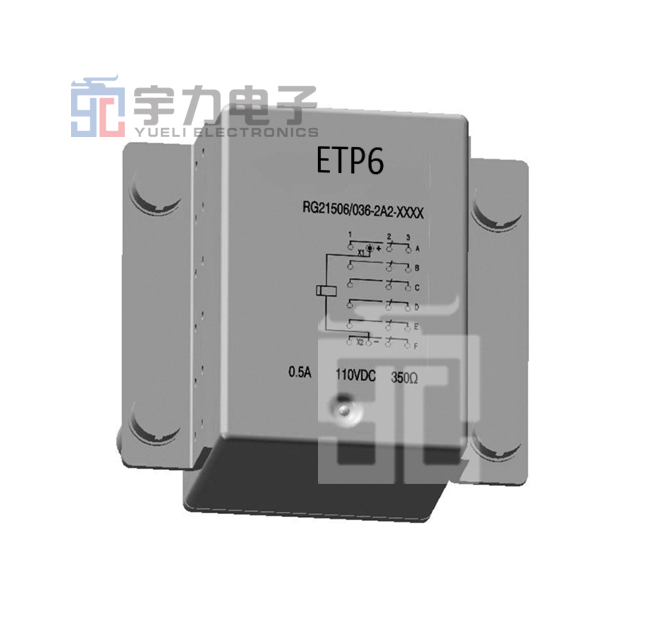
Understanding the Specifications of Three Phase Relays: A Comprehensive Guide
Table of Contents
- What Are Three Phase Relays?
- Importance of Three Phase Relays in Electrical Systems
- Key Specifications of Three Phase Relays
- Types of Three Phase Relays
- Installation and Wiring of Three Phase Relays
- Troubleshooting Common Issues with Three Phase Relays
- Maintenance Tips for Optimal Relay Performance
- Conclusion
- FAQs
What Are Three Phase Relays?
Three phase relays are essential components in electrical systems, used primarily to control and protect three-phase motors and machinery. Functioning as automatic switches, they respond to electrical signals and can activate or deactivate circuits based on predefined conditions. These relays play a crucial role in ensuring the safe operation of electrical equipment by detecting faults, overloads, and phase imbalances, thus preventing potential damage.
Importance of Three Phase Relays in Electrical Systems
The significance of three phase relays lies in their ability to enhance the reliability and efficiency of industrial processes. By providing overload protection and ensuring proper phase sequencing, these relays help maintain the stability of electrical systems. They are widely used in various applications, including motor control, generator protection, and automated switching, making them indispensable in modern electrical engineering.
Key Specifications of Three Phase Relays
Understanding the specifications of three phase relays is vital for selecting the right component for your application. Key specifications include:
Coil Voltage
The coil voltage rating indicates the voltage required to operate the relay. It is critical to match the coil voltage with the supply voltage to ensure reliable operation. Common coil voltages range from 12V to 240V AC or DC, depending on the application.
Current Rating
The current rating specifies the maximum load the relay contacts can handle. It is essential to choose a relay with a current rating that exceeds the expected load to prevent overheating and failure. For instance, a relay rated for 10A should ideally be used with loads that draw less than 10A.
Contact Configuration
Contact configuration refers to the arrangement of contacts within the relay, which can be normally open (NO) or normally closed (NC). Understanding the required configuration is crucial for the desired switching behavior in your application.
Operating Temperature Range
Every relay has a specified temperature range within which it operates optimally. Exceeding this temperature range can lead to reduced reliability or failure. It is essential to consider the environmental conditions in which the relay will be installed.
Response Time
The response time of a relay is the time it takes for it to switch from its initial state to its final state after receiving a signal. Faster response times are critical in applications where quick reactions are necessary to avoid damage or ensure safety.
Types of Three Phase Relays
Three phase relays can be categorized into two main types: electromechanical relays and solid state relays (SSRs).
Electromechanical Relays
Electromechanical relays use electromagnetic coils to operate mechanical contacts. They are known for their reliability, ease of use, and ability to handle high voltages and currents. However, they have moving parts, which can wear out over time and require maintenance.
Solid State Relays (SSRs)
Solid state relays utilize semiconductor devices to perform switching without moving parts. As a result, they are more durable and can operate at higher speeds than electromechanical relays. SSRs are ideal for applications that require frequent switching and long operational life.
Installation and Wiring of Three Phase Relays
Proper installation of three phase relays is crucial for their effective operation. Follow these steps for a successful installation:
- Read the manufacturer's manual for specific installation instructions.
- Ensure that the power supply and relay specifications match.
- Use appropriate gauge wiring to handle the current load.
- Double-check all connections before powering the system.
Troubleshooting Common Issues with Three Phase Relays
Even with proper installation, issues can arise. Here are common problems and their solutions:
- Relay Does Not Activate: Check the coil voltage and power supply connections.
- Relay Stays Activated: Inspect for mechanical binding or contact welding.
- Inconsistent Operation: Verify contact configuration and load conditions.
Maintenance Tips for Optimal Relay Performance
To ensure long-lasting performance from your three phase relays, consider the following maintenance tips:
- Regularly inspect connections and wiring for signs of wear.
- Test relay operation periodically to catch potential issues early.
- Keep the relay clean and free from dust and contaminants.
Conclusion
Three phase relays are indispensable components in modern electrical systems, providing essential control and protection functions. By understanding their specifications, types, and installation requirements, engineers and technicians can select the right relay for their applications, ensuring reliability and efficiency. Regular maintenance and troubleshooting will further enhance the performance and lifespan of these critical devices.
FAQs
- What is the primary function of a three phase relay? The primary function of a three phase relay is to control and protect three-phase motors and machinery by monitoring electrical conditions and responding to faults.
- How do I choose the right three phase relay for my application? Consider factors such as coil voltage, current rating, contact configuration, and environmental conditions to select the appropriate relay.
- What are the advantages of solid state relays over electromechanical relays? Solid state relays have no moving parts, allowing them to operate faster, with greater durability and longevity compared to electromechanical relays.
- How often should I perform maintenance on my three phase relays? Regular inspections should be conducted at least once a year, or more frequently in demanding environments, to ensure optimal performance.
- Can I troubleshoot relay issues myself? Yes, basic troubleshooting can often be performed by checking connections and operational conditions, but complex issues may require professional assistance.
Xi'an Yuli Electronic Technology Co., Ltd.
Whats App:+8618122061211

Message consultation
Note: Please leave your contact information and our professionals will contact you as soon as possible!