Welcome to the official website of Xi'an Yuli Electronic Technology Co., Ltd.


Exploring New Technologies in Polarized Relay Design: Innovations for the Future
2025-11-07
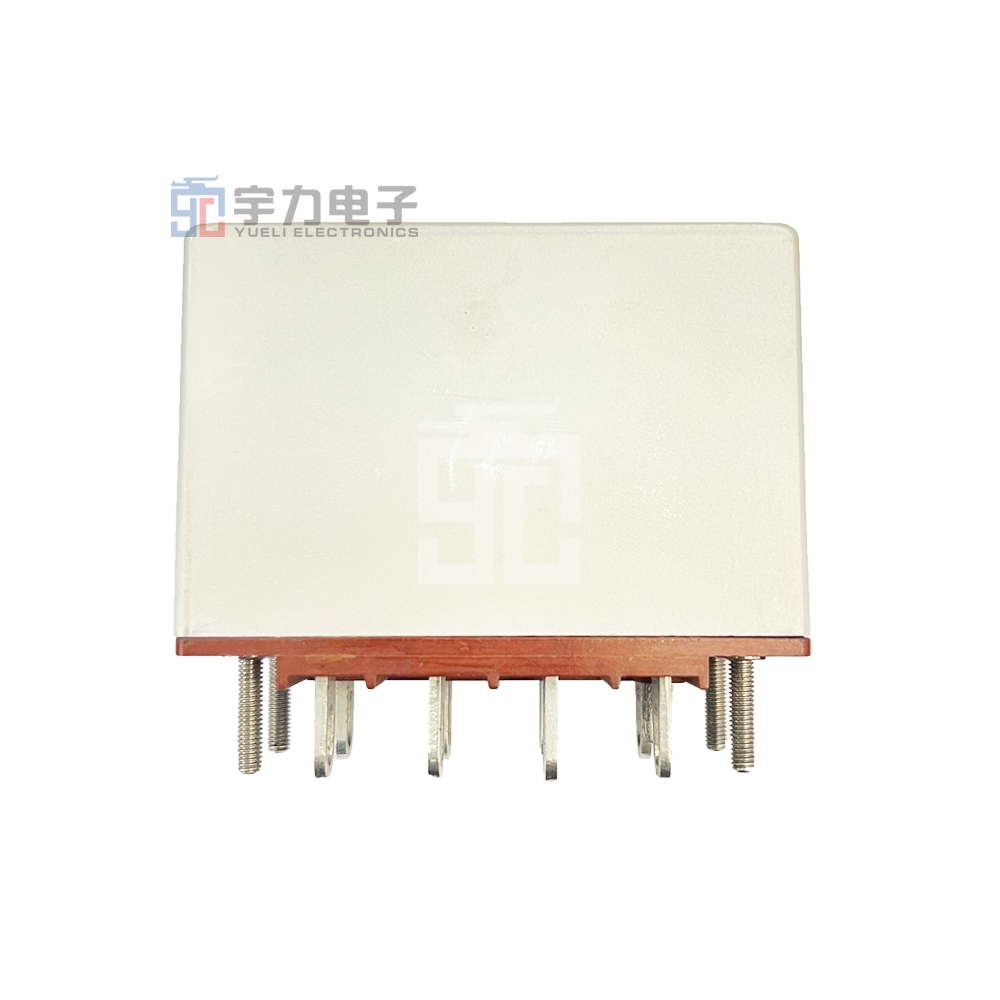
Exploring New Technologies in Polarized Relay Design
Table of Contents
- 1. Introduction to Polarized Relays
- 2. Historical Overview of Polarized Relay Development
- 3. Importance of Polarized Relays in Modern Electronics
- 4. Emerging Technologies in Polarized Relay Design
- 4.1 Smart Polarized Relays
- 4.2 Miniaturization of Components
- 4.3 Eco-Friendly Materials in Relay Design
- 5. Applications of Polarized Relays in Various Industries
- 6. The Future of Polarized Relay Technology
- 7. Challenges in Polarized Relay Design
- 8. Conclusion
- 9. FAQs
1. Introduction to Polarized Relays
Polarized relays are essential components in the realm of electronic devices, serving as switches that can control larger electrical systems. What sets polarized relays apart is their unique design, which allows them to maintain their state in the absence of a controlling signal. This feature enhances their reliability and efficiency in various applications, from automation systems to telecommunications.
In this article, we will explore **new technologies** in polarized relay design, shedding light on innovations that are propelling this component into the future. Our goal is to provide a detailed insight into how these advancements can improve performance and adaptability in various sectors.
2. Historical Overview of Polarized Relay Development
The journey of polarized relays can be traced back to the early 20th century when electrical engineers sought to develop components that could function reliably under various conditions. The introduction of the polarized relay marked a significant milestone in relay technology, as it provided a solution to the limitations of traditional electromagnetic relays.
Over the decades, polarized relay designs have evolved, incorporating more advanced materials and technologies. From simple mechanical systems to sophisticated electronic components, the evolution of polarized relays mirrors the broader technological advancements in electronics.
3. Importance of Polarized Relays in Modern Electronics
Polarized relays play a crucial role in modern electronics, offering key advantages such as:
- **Stability**: The ability to maintain their state without a continuous power supply makes them ideal for battery-powered devices.
- **Energy Efficiency**: Reduced power consumption leads to increased energy efficiency, aligning with the global push for sustainability.
- **Versatility**: They can be used in various applications, ranging from industrial automation to consumer electronics.
As we explore new technologies in polarized relay design, it is essential to recognize their growing importance in enhancing the functionality and efficiency of electronic systems.
4. Emerging Technologies in Polarized Relay Design
The field of polarized relay design is witnessing rapid advancements fueled by innovative technologies. Here, we will discuss several key developments that are shaping the future of polarized relays.
4.1 Smart Polarized Relays
The integration of smart technology into polarized relays has led to the development of **smart polarized relays**. These devices can communicate with other components within a system, allowing for real-time monitoring and control. Features may include:
- **Remote Control**: Users can operate relays from anywhere, enhancing user convenience.
- **Data Analytics**: Smart relays can collect and analyze data to optimize performance, predict failures, and reduce downtime.
By incorporating **IoT (Internet of Things)** capabilities, smart polarized relays are paving the way for more intelligent and automated systems.
4.2 Miniaturization of Components
A significant trend in polarized relay design is the **miniaturization of components**. As electronic devices become smaller and more compact, the demand for miniaturized relays has increased. Advances in materials and manufacturing techniques have enabled engineers to create smaller, more efficient polarized relays without compromising performance.
This trend not only allows for the integration of relays into portable devices but also contributes to the overall reduction of electronic waste, promoting sustainability in the industry.
4.3 Eco-Friendly Materials in Relay Design
With a growing emphasis on environmental sustainability, the use of **eco-friendly materials** in polarized relay design is gaining traction. Manufacturers are exploring biodegradable plastics and recyclable metals to reduce the ecological impact of their products. These materials not only contribute to a cleaner environment but also appeal to environmentally conscious consumers and industries.
Innovations in eco-friendly materials can lead to:
- Reduced carbon footprints during production.
- Enhanced recyclability at the end of the relay’s life cycle.
By adopting sustainable practices, polarized relay manufacturers can position themselves favorably in a competitive market.
5. Applications of Polarized Relays in Various Industries
Polarized relays find applications across a multitude of industries, including:
- **Automotive**: Used in automotive electronics for controlling lights, alarms, and other accessories.
- **Telecommunications**: Essential for switching and routing signals in telecommunication equipment.
- **Industrial Automation**: Act as critical components in machinery and control systems, enabling automated operations.
- **Consumer Electronics**: Found in home appliances, security systems, and smart home devices for enhanced control and efficiency.
Exploring new technologies in polarized relay design allows for enhanced performance and reliability in these applications, ultimately driving innovation across various sectors.
6. The Future of Polarized Relay Technology
Looking ahead, the future of polarized relay technology appears promising. Several trends are expected to shape the landscape:
- **Increased Automation**: As industries move towards greater automation, the demand for advanced polarized relays will rise, fueling further innovations.
- **Integration with AI**: The potential integration of artificial intelligence into relay operations could lead to unprecedented levels of efficiency and adaptability.
- **Enhanced Durability**: Future designs may focus on improving the durability and lifespan of polarized relays, ensuring they can withstand harsher operating conditions.
Incorporating these advancements will enhance the functionality and reliability of polarized relays, reinforcing their critical role in modern electronic systems.
7. Challenges in Polarized Relay Design
While the future looks promising, several challenges persist in the design and manufacturing of polarized relays:
- **Cost**: The research and development of new materials and technologies can be costly, potentially raising the price of polarized relays.
- **Complexity**: As designs become more advanced, the complexity of manufacturing processes may increase, leading to potential production challenges.
- **Market Competition**: With the rapid pace of technological advancements, staying ahead of competitors becomes increasingly challenging for manufacturers.
Addressing these challenges is crucial for sustaining growth and innovation in the polarized relay market.
8. Conclusion
In conclusion, the exploration of new technologies in polarized relay design reveals a landscape rich with innovation and opportunity. From smart relays that enhance connectivity to eco-friendly materials that promote sustainability, the advancements in this field are driving the future of electronic components. As industries increasingly rely on reliable and efficient systems, polarized relays will undoubtedly play a pivotal role.
Manufacturers who embrace these technologies and address the challenges ahead will not only enhance their product offerings but also contribute positively to the evolution of the electronics industry.
9. FAQs
What are polarized relays used for?
Polarized relays are used to control larger electrical systems in various applications, including automotive, telecommunications, and industrial automation.
How do smart polarized relays differ from traditional relays?
Smart polarized relays include advanced features such as remote control and data analytics, allowing for real-time monitoring and optimization.
What materials are commonly used in modern polarized relay design?
Modern polarized relays often use a combination of metals, plastics, and eco-friendly materials to enhance performance and sustainability.
What challenges do manufacturers face in polarized relay design?
Manufacturers face challenges such as high costs, increased complexity in production, and market competition.
How are polarized relays contributing to sustainability in electronics?
By adopting eco-friendly materials and promoting energy efficiency, polarized relays contribute to sustainability efforts in the electronics industry.
Xi'an Yuli Electronic Technology Co., Ltd.
Whats App:+8618122061211

Message consultation
Note: Please leave your contact information and our professionals will contact you as soon as possible!