Welcome to the official website of Xi'an Yuli Electronic Technology Co., Ltd.


Understanding Signal Relays: Key Components in Electronic Applications
2025-11-18
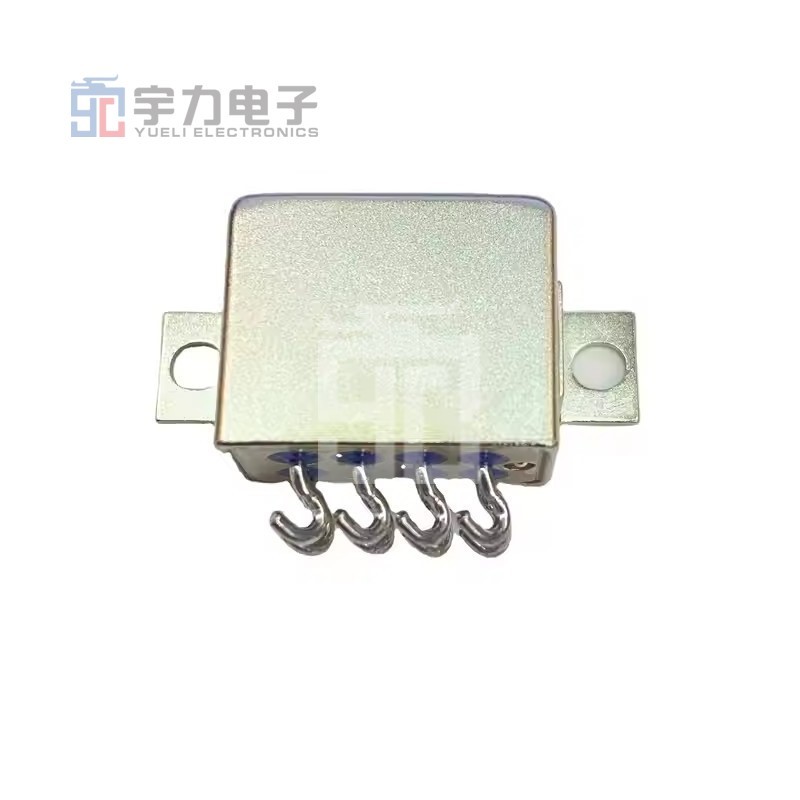
Signal relays are electromechanical switches that utilize an electromagnetic coil to open or close a circuit. When an electrical signal passes through the coil, it generates a magnetic field that moves an armature, changing the state of the contacts. This action allows a low-power signal to control a higher-power circuit, making them indispensable in a variety of applications.
There are several types of signal relays, each designed for specific purposes. The most common types include electromagnetic relays, solid-state relays, and reed relays. Electromagnetic relays are versatile and can handle a range of voltages and currents, making them suitable for most applications. Solid-state relays, on the other hand, have no moving parts, which reduces wear and tear, and allows for faster switching speeds. Reed relays offer compact designs and are often used in applications requiring a quick response time and low power consumption.
Signal relays are widely utilized in automation systems, telecommunications, and automotive applications. In automation, they provide the necessary interface between different components, allowing for effective control of machinery. In telecommunications, signal relays help in routing calls and managing network connections. In automotive systems, they are used to control various functions, such as lighting and sensors, ensuring smooth operation and safety.
When selecting a signal relay, several factors must be considered. The relay's voltage and current ratings, switching speed, and contact configuration are crucial in ensuring compatibility with the intended application. Additionally, environmental factors, such as temperature and humidity, can impact relay performance, making it essential to choose a relay that meets the specific operational conditions.
In conclusion, signal relays are critical for efficiently managing electronic signals across various industries. Their ability to control higher power circuits with lower power signals makes them a fundamental component in modern electronic devices. Understanding the different types and their applications can help ensure the effective design and operation of electronic systems. By carefully selecting the right signal relay for your specific needs, you can enhance the reliability and efficiency of your electronic applications.
There are several types of signal relays, each designed for specific purposes. The most common types include electromagnetic relays, solid-state relays, and reed relays. Electromagnetic relays are versatile and can handle a range of voltages and currents, making them suitable for most applications. Solid-state relays, on the other hand, have no moving parts, which reduces wear and tear, and allows for faster switching speeds. Reed relays offer compact designs and are often used in applications requiring a quick response time and low power consumption.
Signal relays are widely utilized in automation systems, telecommunications, and automotive applications. In automation, they provide the necessary interface between different components, allowing for effective control of machinery. In telecommunications, signal relays help in routing calls and managing network connections. In automotive systems, they are used to control various functions, such as lighting and sensors, ensuring smooth operation and safety.
When selecting a signal relay, several factors must be considered. The relay's voltage and current ratings, switching speed, and contact configuration are crucial in ensuring compatibility with the intended application. Additionally, environmental factors, such as temperature and humidity, can impact relay performance, making it essential to choose a relay that meets the specific operational conditions.
In conclusion, signal relays are critical for efficiently managing electronic signals across various industries. Their ability to control higher power circuits with lower power signals makes them a fundamental component in modern electronic devices. Understanding the different types and their applications can help ensure the effective design and operation of electronic systems. By carefully selecting the right signal relay for your specific needs, you can enhance the reliability and efficiency of your electronic applications.
Previous:
Xi'an Yuli Electronic Technology Co., Ltd.
Whats App:+8618122061211

Message consultation
Note: Please leave your contact information and our professionals will contact you as soon as possible!