Welcome to the official website of Xi'an Yuli Electronic Technology Co., Ltd.


Best Practices for Utilizing Polarized Relays in Circuits: A Comprehensive Guide
2025-12-05
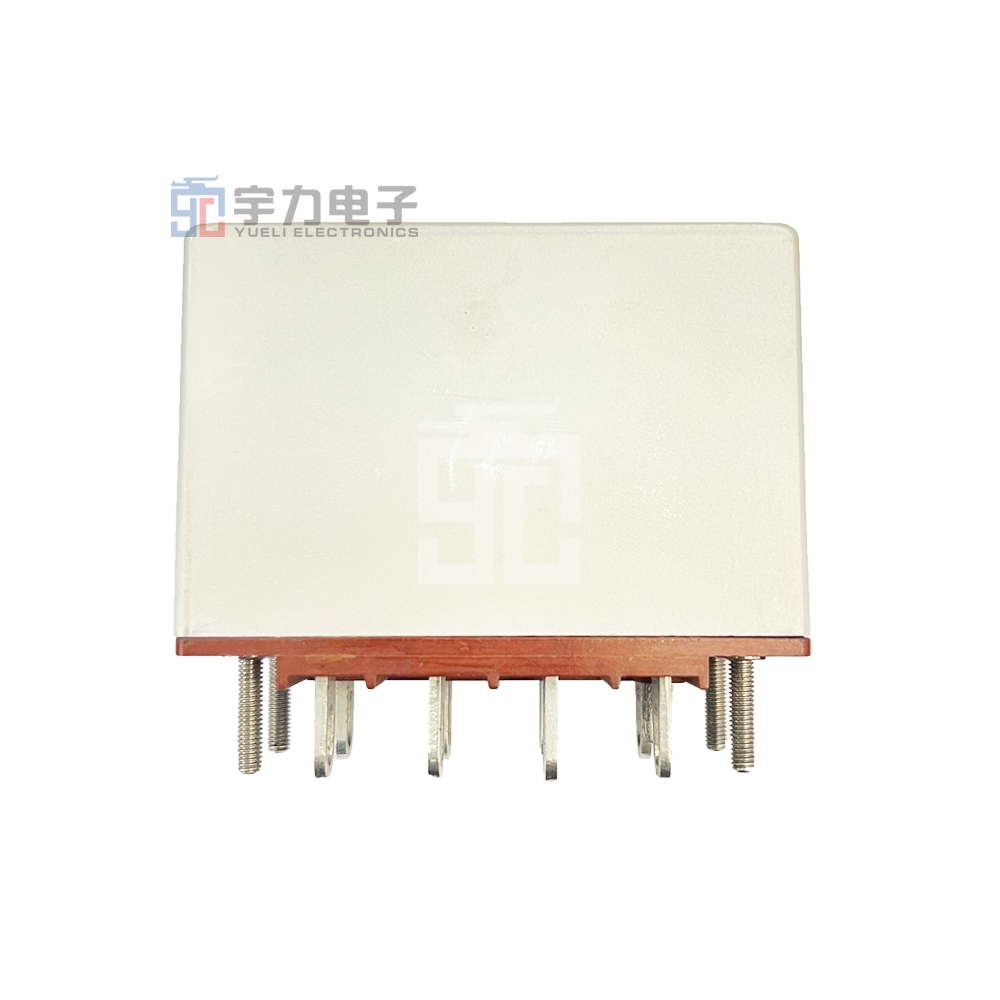
Best Practices for Utilizing Polarized Relays in Circuits
Table of Contents
- Understanding Polarized Relays and Their Applications
- Advantages of Using Polarized Relays in Circuits
- Circuit Design Considerations for Polarized Relays
- Wiring Polarized Relays: Best Practices
- Troubleshooting Common Issues with Polarized Relays
- Advanced Applications of Polarized Relays in Modern Circuits
- Safety Measures and Considerations When Using Polarized Relays
- Conclusion
- FAQs about Polarized Relays
Understanding Polarized Relays and Their Applications
Polarized relays are specialized electromagnetic relays that utilize a permanent magnet to retain their position even after power is removed. This unique feature makes them incredibly valuable in various applications where energy efficiency and reliability are paramount. By understanding the workings of polarized relays, engineers can better utilize them in circuit designs that demand high performance.
Polarized relays find their primary applications in control systems, automotive circuits, and home automation devices. Their ability to switch circuits without requiring a continuous power supply makes them ideal for battery-operated devices, enhancing overall energy efficiency.
How Polarized Relays Work
The operating mechanism of polarized relays involves an armature, a coil, and a permanent magnet. When voltage is applied to the coil, it generates a magnetic field that interacts with the permanent magnet, causing the armature to move and close the circuit. This action can be reversed by applying an opposite voltage, allowing for a simple and effective switching mechanism.
Advantages of Using Polarized Relays in Circuits
Utilizing polarized relays in circuit designs comes with a plethora of advantages:
1. Energy Efficiency
Because polarized relays do not require continuous power to maintain their state, they consume less energy. This quality is especially beneficial for portable devices or systems where power conservation is critical.
2. Increased Reliability
The construction of polarized relays provides an inherent level of reliability. These relays are less prone to accidental activation due to their magnetic retention, making them suitable for applications where consistent performance is necessary.
3. Versatile Applications
From automotive systems to industrial automation, polarized relays can be adapted to a variety of applications. Their ability to handle different voltage levels and loads makes them versatile components in electronic circuits.
Circuit Design Considerations for Polarized Relays
When integrating polarized relays into circuit designs, several critical factors must be considered to optimize performance.
1. Voltage Ratings
Ensure that the relay's voltage rating matches the requirements of your circuit. Exceeding the voltage rating can lead to relay failure, posing risks to both the circuit and connected devices.
2. Current Handling Capacity
Select a polarized relay with an appropriate current handling capacity to avoid overheating and potential damage. Understanding the load characteristics of your circuit will guide you in choosing the right relay.
3. Coil Resistance
The resistance of the relay coil is essential for determining how much current flows through the relay. A higher coil resistance will limit the current, which can be beneficial for energy efficiency but may affect the switching speed.
Wiring Polarized Relays: Best Practices
Proper wiring is crucial for ensuring the optimal functionality of polarized relays in circuits. Below are best practices to follow:
1. Follow Manufacturer Guidelines
Always refer to the relay's datasheet for specific wiring instructions. Manufacturers provide critical information regarding pin configurations and wiring techniques, which can help prevent damage and ensure optimal performance.
2. Use Appropriate Connectors
Select connectors that are rated for the relay's voltage and current. A proper connection ensures reliable performance and minimizes the risk of accidental disconnection or short circuits.
3. Maintain Proper Spacing and Layout
Arrange the wiring to minimize interference and ensure adequate space for heat dissipation. Tidier layouts can prevent accidental shorts and enhance the longevity of the components.
Troubleshooting Common Issues with Polarized Relays
Even the most well-designed circuits can encounter problems. Understanding common issues with polarized relays can help in effective troubleshooting.
1. Relay Not Activating
If a polarized relay does not activate, check the coil voltage to ensure it aligns with the specifications. Additionally, inspect for faulty connections or damaged components.
2. Continuous Activation
Should a relay activate continuously, verify the control circuit to confirm there are no unintended signals or short circuits causing the issue.
3. Overheating
Excessive heat can indicate an overload or improper coil voltage. Monitoring temperature levels during operation can help identify overheating before it leads to failure.
Advanced Applications of Polarized Relays in Modern Circuits
Polarized relays are increasingly used in advanced applications like automation systems, renewable energy technologies, and smart home devices.
1. Home Automation
In home automation systems, polarized relays can control various devices, from lights to security systems, allowing users to manage their environment intelligently and efficiently.
2. Renewable Energy Systems
They are also employed in solar power systems to switch between charging states and manage power distribution effectively, contributing to energy conservation and sustainability.
3. Robotics and Automation
Polarized relays are becoming a staple in robotic systems where precision control is necessary. Their reliability ensures consistent operation in automated environments, enhancing overall productivity.
Safety Measures and Considerations When Using Polarized Relays
To maximize safety while utilizing polarized relays, consider the following:
1. Insulation and Protection
Ensure that the relay is properly insulated to prevent accidental contact with live components. Using protective enclosures can further safeguard against environmental factors.
2. Regular Maintenance
Conduct periodic checks on the relay and surrounding components to identify wear or damage. Regular maintenance can prevent unexpected failures and ensure longevity.
3. Proper Training
Ensure that all personnel involved in working with polarized relays are adequately trained. Understanding the risks and proper handling techniques can significantly improve safety.
Conclusion
Incorporating polarized relays into circuit designs can significantly enhance performance, reliability, and energy efficiency. By understanding their operation, adhering to best practices in wiring and troubleshooting, and exploring advanced applications, engineers and hobbyists alike can maximize the potential of these powerful components. Embracing these best practices ensures the successful implementation of polarized relays, leading to innovative designs and sustainable solutions in various electronic applications.
FAQs about Polarized Relays
1. What are polarized relays used for?
Polarized relays are primarily used in applications requiring reliable switching with minimal power consumption, such as in control systems, automotive circuits, and home automation.
2. How do I choose the right polarized relay for my circuit?
Consider the voltage and current ratings, coil resistance, and specific application requirements when selecting a polarized relay for your circuit.
3. Can polarized relays fail, and what are common failure modes?
Yes, polarized relays can fail due to factors like overheating, overvoltage, or mechanical wear. Common failure modes include sticking contacts and coil burnout.
4. How can I troubleshoot a polarized relay that won't activate?
Check the control voltage, inspect connections, and ensure the relay is not damaged. Testing the coil with a multimeter can help diagnose the issue.
5. Are polarized relays suitable for high-frequency applications?
Polarized relays are generally not ideal for high-frequency applications due to their mechanical nature, which may introduce delays in switching. Opt for solid-state relays for such applications.
Previous:
Xi'an Yuli Electronic Technology Co., Ltd.
Whats App:+8618122061211

Message consultation
Note: Please leave your contact information and our professionals will contact you as soon as possible!