Welcome to the official website of Xi'an Yuli Electronic Technology Co., Ltd.


Understanding Signal Relays: Essential Components in Electronic Circuits
2025-12-16
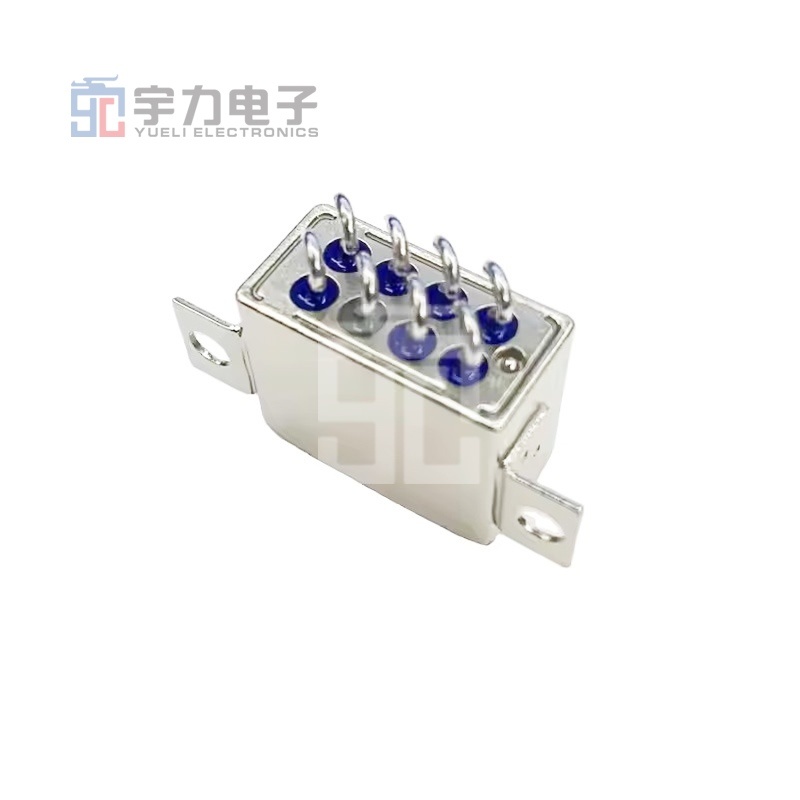
Signal relays are electromechanical switches that use an electromagnetic coil to control the opening and closing of contacts in a circuit. When an electrical signal is applied to the coil, it generates a magnetic field that attracts a movable armature, which in turn opens or closes the contacts. This mechanism allows signal relays to control a larger load with a smaller input signal, making them essential for many applications in electronic systems.
One of the primary advantages of using signal relays is their ability to isolate different parts of a circuit. This isolation helps protect sensitive components from high voltages or currents, enhancing the overall reliability and longevity of the system. Furthermore, signal relays can handle multiple circuits with a single control signal, which simplifies the design and reduces the number of components needed in a circuit.
Signal relays are widely used in various applications, including telecommunications, automotive systems, industrial automation, and home appliances. In telecommunications, they help switch signals between different lines, while in automotive systems, they control lights, motors, and other electrical functions. In industrial automation, signal relays are often found in control panels, managing multiple processes and ensuring efficient operation.
The design of signal relays has evolved significantly over the years, with advances leading to more compact and efficient models. Solid-state relays, for example, eliminate moving parts and offer faster switching times, making them suitable for applications requiring high-speed operation. Additionally, signal relays come in various configurations, including latching and non-latching types, to cater to different operational needs.
When selecting a signal relay for a specific application, several factors should be considered, including the voltage and current ratings, switching speed, and environmental conditions. Understanding these parameters ensures that the chosen relay meets the operational requirements and enhances the overall efficiency of the electronic system.
In conclusion, signal relays are integral components in electronic circuits, providing essential functions such as control, isolation, and protection. Their versatility and reliability make them indispensable in a wide range of applications, contributing to the seamless operation of modern technology. As electronics continue to advance, the role of signal relays will likely remain pivotal, supporting innovation and efficiency in the industry.
One of the primary advantages of using signal relays is their ability to isolate different parts of a circuit. This isolation helps protect sensitive components from high voltages or currents, enhancing the overall reliability and longevity of the system. Furthermore, signal relays can handle multiple circuits with a single control signal, which simplifies the design and reduces the number of components needed in a circuit.
Signal relays are widely used in various applications, including telecommunications, automotive systems, industrial automation, and home appliances. In telecommunications, they help switch signals between different lines, while in automotive systems, they control lights, motors, and other electrical functions. In industrial automation, signal relays are often found in control panels, managing multiple processes and ensuring efficient operation.
The design of signal relays has evolved significantly over the years, with advances leading to more compact and efficient models. Solid-state relays, for example, eliminate moving parts and offer faster switching times, making them suitable for applications requiring high-speed operation. Additionally, signal relays come in various configurations, including latching and non-latching types, to cater to different operational needs.
When selecting a signal relay for a specific application, several factors should be considered, including the voltage and current ratings, switching speed, and environmental conditions. Understanding these parameters ensures that the chosen relay meets the operational requirements and enhances the overall efficiency of the electronic system.
In conclusion, signal relays are integral components in electronic circuits, providing essential functions such as control, isolation, and protection. Their versatility and reliability make them indispensable in a wide range of applications, contributing to the seamless operation of modern technology. As electronics continue to advance, the role of signal relays will likely remain pivotal, supporting innovation and efficiency in the industry.
Xi'an Yuli Electronic Technology Co., Ltd.
Whats App:+8618122061211

Message consultation
Note: Please leave your contact information and our professionals will contact you as soon as possible!