Welcome to the official website of Xi'an Yuli Electronic Technology Co., Ltd.


Understanding Radio Frequency Relays: A Key Component in Modern Electronics
2025-12-18
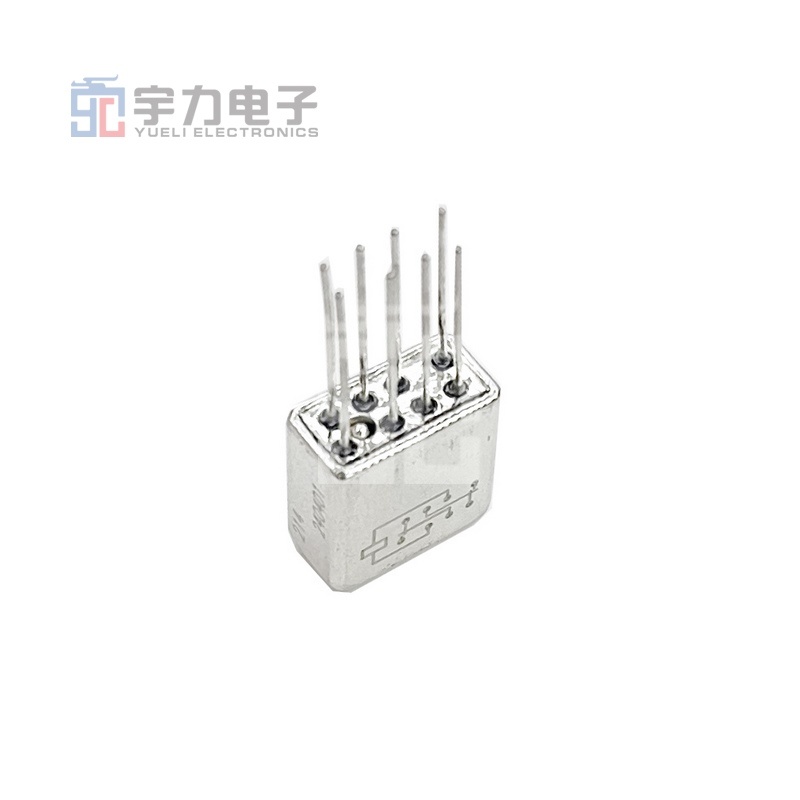
Radio frequency relays are specialized devices that play a critical role in the field of electronics, particularly in the domain of relays. These components are designed to switch electrical circuits on and off using radio frequency (RF) signals, making them invaluable in various applications, including telecommunications, remote control systems, and automation.
At their core, radio frequency relays operate by converting incoming RF signals into electrical commands that can trigger a mechanical switch. This unique capability allows for wireless control of devices, eliminating the need for physical connections. For instance, in a home automation system, a radio frequency relay can enable homeowners to control lighting, heating, and security systems from a distance, enhancing convenience and security.
One of the key benefits of radio frequency relays is their ability to operate over long distances without the need for direct line-of-sight. This characteristic is particularly advantageous in applications where traditional wired connections may be impractical or impossible. For example, in industrial settings, RF relays can control machinery and equipment located in hard-to-reach areas, streamlining operations and improving efficiency.
Moreover, radio frequency relays are often used in conjunction with microcontrollers and other electronic devices, enabling sophisticated control schemes. By integrating these relays into a system, engineers can develop more complex and adaptable solutions that respond dynamically to changing conditions. This flexibility is crucial in modern applications, where the demand for smart technology continues to rise.
When selecting a radio frequency relay for a specific application, it is essential to consider factors such as frequency range, switching capacity, and environmental durability. Different models may cater to various RF bands, making it crucial to choose a relay that aligns with the operational requirements of the intended application. Additionally, understanding the relay’s power consumption and response time can help ensure optimal performance in real-world scenarios.
In summary, radio frequency relays are pivotal components in contemporary electronics, enabling seamless wireless communication and control across diverse applications. Their unique ability to switch circuits via RF signals allows for greater flexibility, efficiency, and convenience in both consumer and industrial technologies. As the demand for automation and smart devices continues to grow, understanding the role of radio frequency relays will be essential for engineers and designers in the electronics industry.
At their core, radio frequency relays operate by converting incoming RF signals into electrical commands that can trigger a mechanical switch. This unique capability allows for wireless control of devices, eliminating the need for physical connections. For instance, in a home automation system, a radio frequency relay can enable homeowners to control lighting, heating, and security systems from a distance, enhancing convenience and security.
One of the key benefits of radio frequency relays is their ability to operate over long distances without the need for direct line-of-sight. This characteristic is particularly advantageous in applications where traditional wired connections may be impractical or impossible. For example, in industrial settings, RF relays can control machinery and equipment located in hard-to-reach areas, streamlining operations and improving efficiency.
Moreover, radio frequency relays are often used in conjunction with microcontrollers and other electronic devices, enabling sophisticated control schemes. By integrating these relays into a system, engineers can develop more complex and adaptable solutions that respond dynamically to changing conditions. This flexibility is crucial in modern applications, where the demand for smart technology continues to rise.
When selecting a radio frequency relay for a specific application, it is essential to consider factors such as frequency range, switching capacity, and environmental durability. Different models may cater to various RF bands, making it crucial to choose a relay that aligns with the operational requirements of the intended application. Additionally, understanding the relay’s power consumption and response time can help ensure optimal performance in real-world scenarios.
In summary, radio frequency relays are pivotal components in contemporary electronics, enabling seamless wireless communication and control across diverse applications. Their unique ability to switch circuits via RF signals allows for greater flexibility, efficiency, and convenience in both consumer and industrial technologies. As the demand for automation and smart devices continues to grow, understanding the role of radio frequency relays will be essential for engineers and designers in the electronics industry.
Xi'an Yuli Electronic Technology Co., Ltd.
Whats App:+8618122061211

Message consultation
Note: Please leave your contact information and our professionals will contact you as soon as possible!