Welcome to the official website of Xi'an Yuli Electronic Technology Co., Ltd.


Understanding Electromagnetic Contactors: Essential Insights for Professionals
2026-01-21
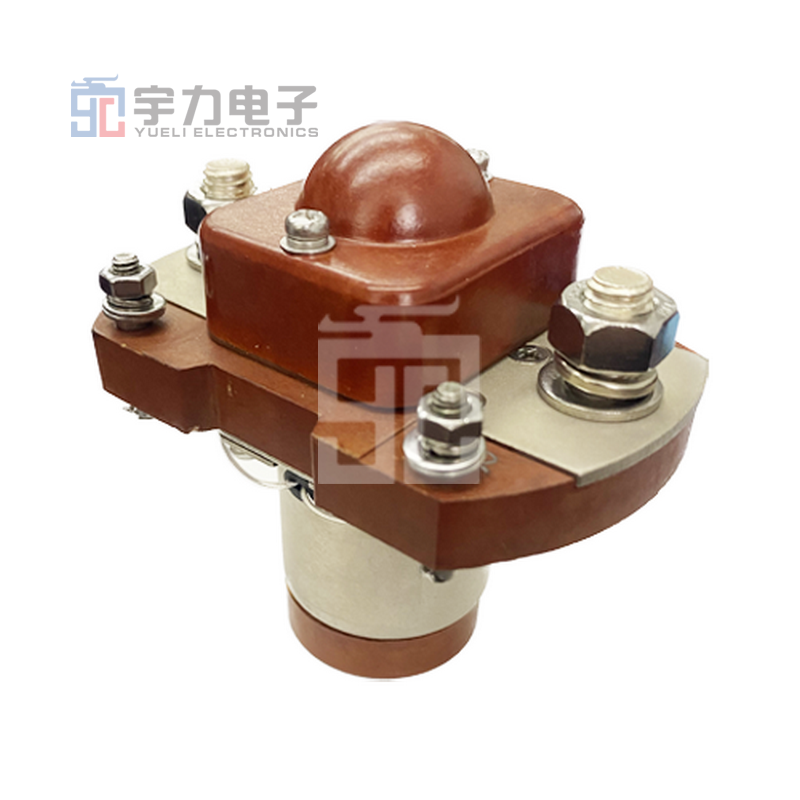
Electromagnetic contactors are vital components in the field of electronic devices and control systems. They serve as electrically operated switches that facilitate the control of high voltage and current circuits, making them essential in various applications, such as motor control, lighting, and industrial automation. Here, we will explore the fundamental concepts surrounding electromagnetic contactors, their operational principles, and their relevance in today’s technology landscape.
At the heart of an electromagnetic contactor is its electromagnetic coil. When an electrical current flows through the coil, it generates a magnetic field that moves an armature, causing the contacts to either close or open. This action allows or interrupts the flow of electricity to the connected load, effectively managing power distribution. The efficiency of an electromagnetic contactor is largely attributed to its ability to handle significant electrical loads while ensuring safe operation.
One of the key advantages of electromagnetic contactors is their rapid response time, which is critical in applications requiring immediate action, such as in emergency shutdown systems. Additionally, contactors are designed to withstand high inrush currents, making them suitable for motor starting applications where the initial current can exceed the normal running current.
In industrial settings, electromagnetic contactors are commonly used in combination with overload relays to protect motors from thermal overload. This ensures that the motor operates within its rated capacity and reduces the risk of damage due to overcurrent conditions. Professionals in the electronic components field should be aware of the importance of selecting the right contactor based on its rated current and voltage specifications, as well as its intended application.
Furthermore, electromagnetic contactors come in various configurations, such as single-pole, double-pole, and multi-pole designs, allowing flexibility based on circuit requirements. Professionals should consider the environmental conditions where contactors will be used, as factors like temperature, humidity, and the presence of dust can influence their performance and lifespan.
In conclusion, electromagnetic contactors are indispensable in controlling electrical loads and enhancing the safety and efficiency of industrial operations. Understanding their operational principles and applications is crucial for professionals in the electronic components sector. By leveraging this knowledge, one can make informed decisions when selecting and implementing contactor technology in various systems, ultimately contributing to the advancement of modern electrical applications.
At the heart of an electromagnetic contactor is its electromagnetic coil. When an electrical current flows through the coil, it generates a magnetic field that moves an armature, causing the contacts to either close or open. This action allows or interrupts the flow of electricity to the connected load, effectively managing power distribution. The efficiency of an electromagnetic contactor is largely attributed to its ability to handle significant electrical loads while ensuring safe operation.
One of the key advantages of electromagnetic contactors is their rapid response time, which is critical in applications requiring immediate action, such as in emergency shutdown systems. Additionally, contactors are designed to withstand high inrush currents, making them suitable for motor starting applications where the initial current can exceed the normal running current.
In industrial settings, electromagnetic contactors are commonly used in combination with overload relays to protect motors from thermal overload. This ensures that the motor operates within its rated capacity and reduces the risk of damage due to overcurrent conditions. Professionals in the electronic components field should be aware of the importance of selecting the right contactor based on its rated current and voltage specifications, as well as its intended application.
Furthermore, electromagnetic contactors come in various configurations, such as single-pole, double-pole, and multi-pole designs, allowing flexibility based on circuit requirements. Professionals should consider the environmental conditions where contactors will be used, as factors like temperature, humidity, and the presence of dust can influence their performance and lifespan.
In conclusion, electromagnetic contactors are indispensable in controlling electrical loads and enhancing the safety and efficiency of industrial operations. Understanding their operational principles and applications is crucial for professionals in the electronic components sector. By leveraging this knowledge, one can make informed decisions when selecting and implementing contactor technology in various systems, ultimately contributing to the advancement of modern electrical applications.
Xi'an Yuli Electronic Technology Co., Ltd.
Whats App:+8618122061211

Message consultation
Note: Please leave your contact information and our professionals will contact you as soon as possible!