Welcome to the official website of Xi'an Yuli Electronic Technology Co., Ltd.


Exploring the Advantages and Applications of Radio Frequency Relays
2026-02-02
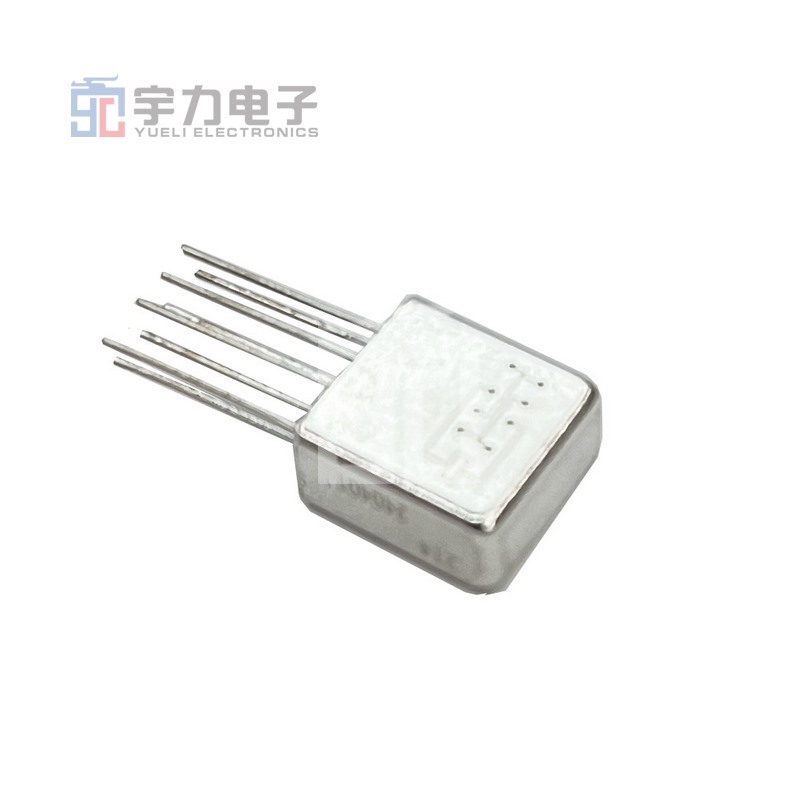
Radio frequency relays are pivotal components within the electronics sector, particularly in the realm of telecommunications and automation. These devices operate by controlling electrical circuits through radio frequency signals, enabling remote operation of various systems. Their unique functionality allows them to switch loads without the need for direct electrical connections, which is especially beneficial in applications where physical wiring is impractical or impossible.
One of the primary advantages of radio frequency relays is their ability to facilitate wireless control. This is particularly advantageous in environments where traditional wiring could be cumbersome or where mobility is essential. For instance, in industrial automation, these relays can be used to control machinery from a distance, enhancing operational efficiency and safety.
Moreover, radio frequency relays offer robust performance in harsh environments. They are typically designed to withstand variations in temperature, humidity, and electromagnetic interference, making them suitable for outdoor applications as well as in demanding industrial settings. This durability ensures reliable operation over extended periods, reducing maintenance costs and downtime.
In addition to their ruggedness, radio frequency relays also present significant benefits in terms of design flexibility. Since they eliminate the need for extensive wiring, engineers can create more streamlined and compact system layouts. This not only simplifies the design process but also reduces the overall weight and space requirements of electronic devices. As a result, they are increasingly favored in consumer electronics, automotive applications, and smart home technologies.
The integration of radio frequency relays in modern systems also enhances security. Many devices employ encryption and secure signaling methods to prevent unauthorized access, thus protecting sensitive operations and data. This is particularly crucial in applications such as remote monitoring systems and smart grids, where security breaches could have serious consequences.
Furthermore, as the Internet of Things (IoT) continues to expand, the demand for reliable and efficient communication components grows. Radio frequency relays are well-positioned to meet this demand, as they can seamlessly integrate with other IoT devices, facilitating real-time data transmission and control.
In conclusion, radio frequency relays represent a vital component in contemporary electronic applications. Their ability to provide wireless control, withstand harsh conditions, and enhance design flexibility makes them an indispensable choice for professionals in the industry. As technology advances, the role of radio frequency relays will only continue to evolve, offering new solutions to complex challenges faced by engineers and designers alike.
One of the primary advantages of radio frequency relays is their ability to facilitate wireless control. This is particularly advantageous in environments where traditional wiring could be cumbersome or where mobility is essential. For instance, in industrial automation, these relays can be used to control machinery from a distance, enhancing operational efficiency and safety.
Moreover, radio frequency relays offer robust performance in harsh environments. They are typically designed to withstand variations in temperature, humidity, and electromagnetic interference, making them suitable for outdoor applications as well as in demanding industrial settings. This durability ensures reliable operation over extended periods, reducing maintenance costs and downtime.
In addition to their ruggedness, radio frequency relays also present significant benefits in terms of design flexibility. Since they eliminate the need for extensive wiring, engineers can create more streamlined and compact system layouts. This not only simplifies the design process but also reduces the overall weight and space requirements of electronic devices. As a result, they are increasingly favored in consumer electronics, automotive applications, and smart home technologies.
The integration of radio frequency relays in modern systems also enhances security. Many devices employ encryption and secure signaling methods to prevent unauthorized access, thus protecting sensitive operations and data. This is particularly crucial in applications such as remote monitoring systems and smart grids, where security breaches could have serious consequences.
Furthermore, as the Internet of Things (IoT) continues to expand, the demand for reliable and efficient communication components grows. Radio frequency relays are well-positioned to meet this demand, as they can seamlessly integrate with other IoT devices, facilitating real-time data transmission and control.
In conclusion, radio frequency relays represent a vital component in contemporary electronic applications. Their ability to provide wireless control, withstand harsh conditions, and enhance design flexibility makes them an indispensable choice for professionals in the industry. As technology advances, the role of radio frequency relays will only continue to evolve, offering new solutions to complex challenges faced by engineers and designers alike.
Xi'an Yuli Electronic Technology Co., Ltd.
Whats App:+8618122061211

Message consultation
Note: Please leave your contact information and our professionals will contact you as soon as possible!