Welcome to the official website of Xi'an Yuli Electronic Technology Co., Ltd.


Understanding Electromagnetic Contactors: A Guide for Industry Professionals
2026-02-06
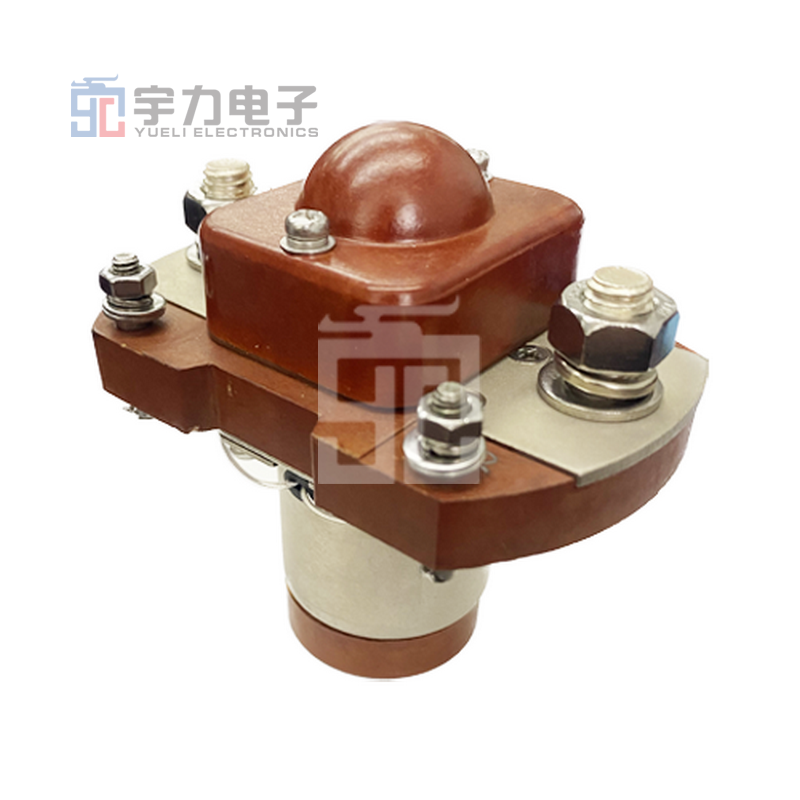
Electromagnetic contactors are crucial components in various industrial applications, serving as electrically operated switches that control the flow of electricity in circuits. Their primary function is to establish or interrupt the electrical connection, making them a vital part of control systems in manufacturing, HVAC, and many other sectors. Understanding the workings of electromagnetic contactors can help professionals make informed decisions regarding their implementation and maintenance.
At the heart of an electromagnetic contactor's operation is an electromagnet. When voltage is applied, the electromagnet generates a magnetic field that pulls a metal armature downward, causing the contact points to close and complete the circuit. Once the voltage is removed, a spring mechanism returns the armature to its original position, opening the contacts and breaking the circuit. This on-off switching action is essential for controlling motors, lights, and other electrical devices.
One of the significant advantages of electromagnetic contactors is their ability to handle high current loads. They are designed to switch large amounts of power with minimal physical wear, which is critical in industrial environments where reliability is paramount. Additionally, they can be integrated with various control systems, allowing for remote operation and automation, thereby enhancing operational efficiency.
Electromagnetic contactors come in various designs and configurations, including single-pole, double-pole, and three-pole units, each suited for different applications. When selecting a contactor, it is essential to consider factors such as the voltage and current ratings, coil specifications, and environmental conditions. For instance, contactors used in humid or corrosive environments may require special coatings or enclosures to ensure longevity and reliability.
Another key consideration is the use of auxiliary contacts, which allow for additional functionality such as signaling or interlocking. This feature can be particularly beneficial in complex control systems, where multiple devices need to be coordinated seamlessly.
Maintenance of electromagnetic contactors is also critical to ensure their longevity and reliability. Regular inspections should be conducted to check for signs of wear, corrosion, or overheating. Proper installation and adherence to specifications can prevent many common issues, ensuring that these components operate efficiently over time.
In summary, electromagnetic contactors play a vital role in the control of electrical circuits across various industries. Understanding their operation, selection criteria, and maintenance can empower professionals to make better choices, ultimately contributing to enhanced productivity and safety in electrical systems. By leveraging these insights, industry experts can optimize their use of contactors, ensuring that their applications run smoothly and effectively.
At the heart of an electromagnetic contactor's operation is an electromagnet. When voltage is applied, the electromagnet generates a magnetic field that pulls a metal armature downward, causing the contact points to close and complete the circuit. Once the voltage is removed, a spring mechanism returns the armature to its original position, opening the contacts and breaking the circuit. This on-off switching action is essential for controlling motors, lights, and other electrical devices.
One of the significant advantages of electromagnetic contactors is their ability to handle high current loads. They are designed to switch large amounts of power with minimal physical wear, which is critical in industrial environments where reliability is paramount. Additionally, they can be integrated with various control systems, allowing for remote operation and automation, thereby enhancing operational efficiency.
Electromagnetic contactors come in various designs and configurations, including single-pole, double-pole, and three-pole units, each suited for different applications. When selecting a contactor, it is essential to consider factors such as the voltage and current ratings, coil specifications, and environmental conditions. For instance, contactors used in humid or corrosive environments may require special coatings or enclosures to ensure longevity and reliability.
Another key consideration is the use of auxiliary contacts, which allow for additional functionality such as signaling or interlocking. This feature can be particularly beneficial in complex control systems, where multiple devices need to be coordinated seamlessly.
Maintenance of electromagnetic contactors is also critical to ensure their longevity and reliability. Regular inspections should be conducted to check for signs of wear, corrosion, or overheating. Proper installation and adherence to specifications can prevent many common issues, ensuring that these components operate efficiently over time.
In summary, electromagnetic contactors play a vital role in the control of electrical circuits across various industries. Understanding their operation, selection criteria, and maintenance can empower professionals to make better choices, ultimately contributing to enhanced productivity and safety in electrical systems. By leveraging these insights, industry experts can optimize their use of contactors, ensuring that their applications run smoothly and effectively.
Xi'an Yuli Electronic Technology Co., Ltd.
Whats App:+8618122061211

Message consultation
Note: Please leave your contact information and our professionals will contact you as soon as possible!