Welcome to the official website of Xi'an Yuli Electronic Technology Co., Ltd.


Understanding Radio Frequency Relays: Key Insights for Electronics Professionals
2026-02-16
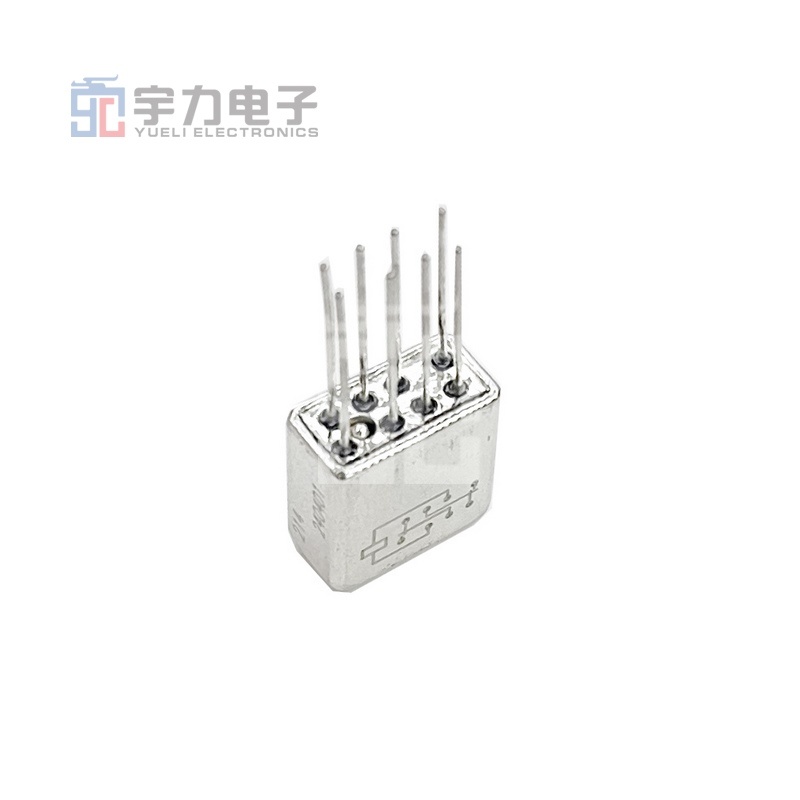
Radio frequency relays are specialized electronic components that play a critical role in many modern telecommunications and control systems. Unlike traditional relays that operate purely on electrical conductivity, radio frequency relays utilize electromagnetic waves to control the opening and closing of circuits. This technology is particularly useful in environments where physical wiring may be impractical or where remote control is required.
One of the main advantages of radio frequency relays is their ability to operate over significant distances without the need for direct line-of-sight. This property makes them ideal for applications such as remote monitoring, industrial automation, and smart home technologies. By using radio waves to transmit signals, these relays can facilitate communication between devices that are separated by obstacles or are located in different buildings.
In terms of technical specifications, radio frequency relays are designed to handle a wide range of frequencies, typically from a few megahertz (MHz) to several gigahertz (GHz). The choice of frequency affects the relay's performance, including its switching speed and operational range. Engineers must consider these parameters when selecting a radio frequency relay for specific applications, ensuring that the device meets the required performance standards.
Furthermore, radio frequency relays are often equipped with features that enhance their functionality and reliability. For example, many models include built-in filters that reduce interference from other electronic devices, thereby ensuring stable operation. Additionally, some relays come with integrated microcontrollers that enable advanced functionalities, such as programmable settings and feedback mechanisms, which enhance the precision of the system in which they are used.
It is also important to consider the power consumption of radio frequency relays. Compared to mechanical relays, which may require a considerable amount of power to operate, radio frequency relays often demonstrate improved energy efficiency. This aspect is particularly relevant in battery-powered applications, where minimizing energy usage is crucial for extending operational life.
When implementing radio frequency relays in a system, it is essential to conduct thorough testing and validation. This process ensures that the relay performs as intended under various environmental conditions and operational scenarios. By rigorously evaluating the relay's performance, engineers can avoid potential failures and enhance the overall reliability of the system.
In conclusion, radio frequency relays represent a significant advancement in relay technology, offering unique functionalities that cater to the demands of modern electronics. Their ability to operate wirelessly, coupled with features that enhance performance, makes them an attractive choice for a wide array of applications in the electronics industry. Understanding the intricacies of these relays can empower professionals to effectively integrate them into innovative designs and solutions.
One of the main advantages of radio frequency relays is their ability to operate over significant distances without the need for direct line-of-sight. This property makes them ideal for applications such as remote monitoring, industrial automation, and smart home technologies. By using radio waves to transmit signals, these relays can facilitate communication between devices that are separated by obstacles or are located in different buildings.
In terms of technical specifications, radio frequency relays are designed to handle a wide range of frequencies, typically from a few megahertz (MHz) to several gigahertz (GHz). The choice of frequency affects the relay's performance, including its switching speed and operational range. Engineers must consider these parameters when selecting a radio frequency relay for specific applications, ensuring that the device meets the required performance standards.
Furthermore, radio frequency relays are often equipped with features that enhance their functionality and reliability. For example, many models include built-in filters that reduce interference from other electronic devices, thereby ensuring stable operation. Additionally, some relays come with integrated microcontrollers that enable advanced functionalities, such as programmable settings and feedback mechanisms, which enhance the precision of the system in which they are used.
It is also important to consider the power consumption of radio frequency relays. Compared to mechanical relays, which may require a considerable amount of power to operate, radio frequency relays often demonstrate improved energy efficiency. This aspect is particularly relevant in battery-powered applications, where minimizing energy usage is crucial for extending operational life.
When implementing radio frequency relays in a system, it is essential to conduct thorough testing and validation. This process ensures that the relay performs as intended under various environmental conditions and operational scenarios. By rigorously evaluating the relay's performance, engineers can avoid potential failures and enhance the overall reliability of the system.
In conclusion, radio frequency relays represent a significant advancement in relay technology, offering unique functionalities that cater to the demands of modern electronics. Their ability to operate wirelessly, coupled with features that enhance performance, makes them an attractive choice for a wide array of applications in the electronics industry. Understanding the intricacies of these relays can empower professionals to effectively integrate them into innovative designs and solutions.
Xi'an Yuli Electronic Technology Co., Ltd.
Whats App:+8618122061211

Message consultation
Note: Please leave your contact information and our professionals will contact you as soon as possible!