Welcome to the official website of Xi'an Yuli Electronic Technology Co., Ltd.


Exploring the Benefits and Applications of Radio Frequency Relays in Modern Electronics
2026-03-02
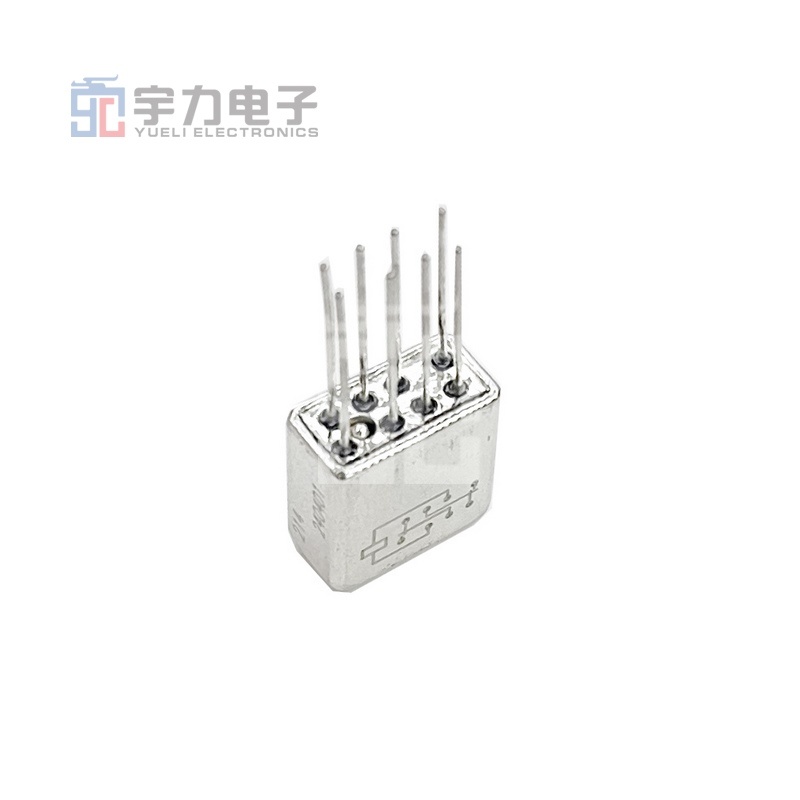
Radio frequency relays are specialized electronic components extensively used in various industries due to their ability to manage and control signals at radio frequencies. These relays operate by using electromagnetic fields to switch electronic circuits on and off, providing a reliable solution for signal transmission and control applications. Their unique capabilities make them an essential part of various electronic systems, especially in telecommunications, automation, and remote control applications.
One of the primary advantages of radio frequency relays is their ability to handle high frequencies effectively. Unlike conventional relays, which may struggle with signal integrity at higher frequencies, RF relays are designed specifically for minimal insertion loss and signal distortion. This characteristic is particularly important in applications where high-frequency signal integrity is crucial, such as in wireless communication systems, where even minor losses can result in significant performance degradation.
In addition to signal integrity, radio frequency relays can also offer superior isolation between circuits. This feature is vital for preventing interference between different channels, thus ensuring that signals remain clear and undistorted. The isolation capability of RF relays is beneficial in crowded environments, such as multiplexed systems, where multiple signals are transmitted simultaneously.
Furthermore, radio frequency relays can contribute to improved efficiency in electronic circuits. By allowing for remote control of devices and systems, these relays reduce the need for physical wiring and manual operation, which can lead to lower installation and maintenance costs. Their remote activation capabilities enable seamless integration into automated systems, enhancing overall functionality and user experience.
RF relays are also known for their durability and longevity. Many models are designed to withstand harsh environmental conditions, making them suitable for use in outdoor applications. This ruggedness extends the lifespan of devices and systems that incorporate these relays, providing added value for manufacturers and end-users alike.
The versatility of radio frequency relays allows them to be used in a wide range of applications, from simple switching tasks to complex control systems in smart homes and industrial automation. Their adaptability makes them an attractive choice for engineers and designers looking to implement reliable and efficient solutions in their projects.
In conclusion, understanding the benefits and functionalities of radio frequency relays is crucial for professionals in the electronic components industry. Their ability to handle high frequencies, provide circuit isolation, improve efficiency, and endure harsh conditions makes them indispensable in modern electronics. As technology continues to advance, the role of RF relays will likely expand, opening new avenues for innovation and application in various fields.
One of the primary advantages of radio frequency relays is their ability to handle high frequencies effectively. Unlike conventional relays, which may struggle with signal integrity at higher frequencies, RF relays are designed specifically for minimal insertion loss and signal distortion. This characteristic is particularly important in applications where high-frequency signal integrity is crucial, such as in wireless communication systems, where even minor losses can result in significant performance degradation.
In addition to signal integrity, radio frequency relays can also offer superior isolation between circuits. This feature is vital for preventing interference between different channels, thus ensuring that signals remain clear and undistorted. The isolation capability of RF relays is beneficial in crowded environments, such as multiplexed systems, where multiple signals are transmitted simultaneously.
Furthermore, radio frequency relays can contribute to improved efficiency in electronic circuits. By allowing for remote control of devices and systems, these relays reduce the need for physical wiring and manual operation, which can lead to lower installation and maintenance costs. Their remote activation capabilities enable seamless integration into automated systems, enhancing overall functionality and user experience.
RF relays are also known for their durability and longevity. Many models are designed to withstand harsh environmental conditions, making them suitable for use in outdoor applications. This ruggedness extends the lifespan of devices and systems that incorporate these relays, providing added value for manufacturers and end-users alike.
The versatility of radio frequency relays allows them to be used in a wide range of applications, from simple switching tasks to complex control systems in smart homes and industrial automation. Their adaptability makes them an attractive choice for engineers and designers looking to implement reliable and efficient solutions in their projects.
In conclusion, understanding the benefits and functionalities of radio frequency relays is crucial for professionals in the electronic components industry. Their ability to handle high frequencies, provide circuit isolation, improve efficiency, and endure harsh conditions makes them indispensable in modern electronics. As technology continues to advance, the role of RF relays will likely expand, opening new avenues for innovation and application in various fields.
Xi'an Yuli Electronic Technology Co., Ltd.
Whats App:+8618122061211

Message consultation
Note: Please leave your contact information and our professionals will contact you as soon as possible!