Welcome to the official website of Xi'an Yuli Electronic Technology Co., Ltd.


Understanding Radio Frequency Relays: The Key to Wireless Control
2026-03-16
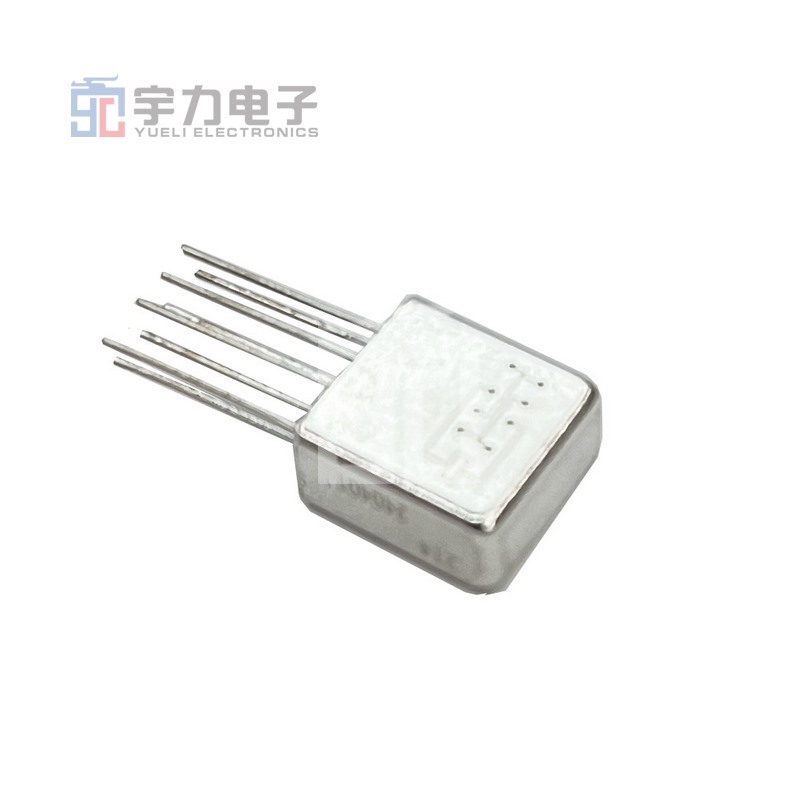
Radio frequency relays play a crucial role in the realm of electronic components, particularly in applications that require wireless communication and control. These devices utilize radio frequency (RF) signals to operate, enabling them to control other electrical devices without the need for direct physical connections. This capability makes them an integral part of modern technology, especially in wireless systems.
At their core, radio frequency relays are designed to switch circuits on and off in response to RF signals. This is typically achieved through a transmitter that sends a signal to the relay, which then activates or deactivates a connected device. The ability to control devices remotely has made RF relays indispensable in various industries, including automation, security, and telecommunications.
One of the key advantages of radio frequency relays is their ability to operate over long distances. Unlike traditional relays that require a direct wired connection, RF relays can communicate through the air, making them ideal for applications where wiring is impractical or impossible. This feature is particularly valuable in remote control systems, where users can operate devices from significant distances.
Furthermore, radio frequency relays are known for their versatility. They can be used in a variety of settings, from home automation systems that control lights and appliances to industrial applications where equipment needs to be managed from afar. Additionally, their compact size and efficient design allow for easy integration into existing systems, making them a popular choice for engineers and designers alike.
When selecting a radio frequency relay, it is essential to consider several factors, including frequency range, switching capacity, and the type of modulation used. These elements will influence the relay's performance and suitability for specific applications. Moreover, understanding the environmental conditions in which the relay will operate is crucial, as factors like temperature, humidity, and interference can impact its reliability.
In conclusion, radio frequency relays offer a unique solution for wireless control in various electronic applications. Their ability to switch devices remotely without the constraints of physical connections is revolutionizing how we interact with technology. As the demand for automation and remote management continues to grow, the role of radio frequency relays in electronic systems will undoubtedly become increasingly significant. By familiarizing yourself with these components, you can better understand their impact on the future of technology and innovation.
At their core, radio frequency relays are designed to switch circuits on and off in response to RF signals. This is typically achieved through a transmitter that sends a signal to the relay, which then activates or deactivates a connected device. The ability to control devices remotely has made RF relays indispensable in various industries, including automation, security, and telecommunications.
One of the key advantages of radio frequency relays is their ability to operate over long distances. Unlike traditional relays that require a direct wired connection, RF relays can communicate through the air, making them ideal for applications where wiring is impractical or impossible. This feature is particularly valuable in remote control systems, where users can operate devices from significant distances.
Furthermore, radio frequency relays are known for their versatility. They can be used in a variety of settings, from home automation systems that control lights and appliances to industrial applications where equipment needs to be managed from afar. Additionally, their compact size and efficient design allow for easy integration into existing systems, making them a popular choice for engineers and designers alike.
When selecting a radio frequency relay, it is essential to consider several factors, including frequency range, switching capacity, and the type of modulation used. These elements will influence the relay's performance and suitability for specific applications. Moreover, understanding the environmental conditions in which the relay will operate is crucial, as factors like temperature, humidity, and interference can impact its reliability.
In conclusion, radio frequency relays offer a unique solution for wireless control in various electronic applications. Their ability to switch devices remotely without the constraints of physical connections is revolutionizing how we interact with technology. As the demand for automation and remote management continues to grow, the role of radio frequency relays in electronic systems will undoubtedly become increasingly significant. By familiarizing yourself with these components, you can better understand their impact on the future of technology and innovation.
Previous:
Xi'an Yuli Electronic Technology Co., Ltd.
Whats App:+8618122061211

Message consultation
Note: Please leave your contact information and our professionals will contact you as soon as possible!