Welcome to the official website of Xi'an Yuli Electronic Technology Co., Ltd.


How to Choose the Right Electromagnetic Relay for Your Needs: A Comprehensive Guide
2026-03-23
How to Choose the Right Electromagnetic Relay for Your Needs
Table of Contents
- 1. Introduction to Electromagnetic Relays
- 2. Types of Electromagnetic Relays
- 3. Key Specifications to Consider
- 4. Operating Conditions and Environments
- 5. Integration with Control Systems
- 6. Reliability and Lifespan Considerations
- 7. Balancing Cost and Value
- 8. Frequently Asked Questions
- 9. Conclusion
1. Introduction to Electromagnetic Relays
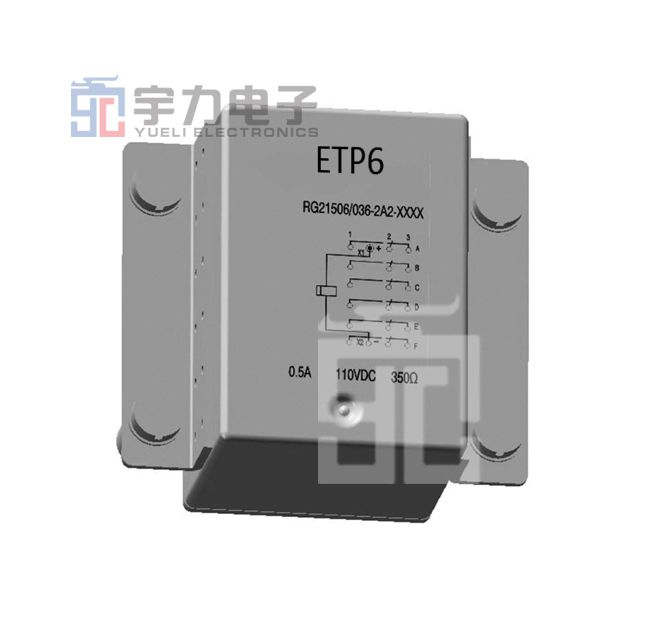
Electromagnetic relays are essential components in various electronic circuits and systems. These devices serve as electrically operated switches that can control larger electrical loads using a smaller control signal. Understanding how to select the right electromagnetic relay for your specific needs requires a deep dive into their types, specifications, and how they integrate into larger systems. In this guide, we will explore all critical aspects to help you make an informed decision.
2. Types of Electromagnetic Relays
When choosing an electromagnetic relay, it is crucial to understand the different types available on the market.
2.1 General Purpose Relays
General purpose relays are versatile devices that can be used in various applications. They are typically used in automation, industrial controls, and home appliances. These relays can handle moderate current loads and have a simple design, making them easy to integrate into different systems.
2.2 Specialty Relays
Specialty relays are designed for specific applications or industries. These may include time delay relays, latching relays, and automotive relays. Selecting a specialty relay may be necessary when specific functionality is required, such as controlling the timing of electrical signals or handling high-frequency switching.
3. Key Specifications to Consider
Understanding the specifications of electromagnetic relays is essential for choosing the correct component for your needs. Here are the key specifications to focus on:
3.1 Coil Voltage
Coil voltage is critical as it determines the voltage required to activate the relay. Common coil voltages include 5V, 12V, 24V, and 120V AC or DC. It’s crucial to match the coil voltage with the control circuit voltage to ensure correct operation.
3.2 Contact Rating
The contact rating indicates the maximum load the relay can handle. This specification is often measured in amperes (A) and volts (V). Different applications require different ratings, so it’s vital to choose a relay that meets or exceeds your load requirements.
3.3 Switching Capacity
Switching capacity refers to the maximum power the relay contacts can handle while switching. This includes both resistive and inductive loads. Ensure that the relay's switching capacity is suitable for the devices you intend to control.
4. Operating Conditions and Environments
When selecting an electromagnetic relay, consider the operating conditions and environments in which it will be deployed. Factors such as temperature, humidity, and vibration can impact relay performance. For example, if the relay will operate in a high-temperature environment, selecting a relay designed for elevated operating temperatures is essential.
5. Integration with Control Systems
Electromagnetic relays can be integrated into various control systems, including PLCs (Programmable Logic Controllers) and microcontrollers. Understanding your control system's logic and output will help you determine the type and number of relays needed. Compatibility with your existing technology is crucial for seamless integration.
6. Reliability and Lifespan Considerations
The reliability and lifespan of an electromagnetic relay are vital for maintaining system performance and reducing maintenance costs. Factors affecting reliability include the quality of materials used, the design of the relay, and its operating conditions. Selecting a relay with proven longevity can save you time and money in the long run.
7. Balancing Cost and Value
While it may be tempting to go for the cheapest option, it's essential to consider the overall value of the relay. A low-cost relay may save money upfront but could lead to higher replacement costs or system failures. Invest in quality components that provide reliability and performance in your applications.
8. Frequently Asked Questions
What is the difference between AC and DC relays?
AC relays are designed to switch alternating current, while DC relays operate with direct current. It's crucial to choose the appropriate relay type based on the power source in your application.
How do I determine the correct coil voltage for my relay?
To identify the correct coil voltage, match it with the control circuit voltage. Ensure your power source provides a voltage compatible with the relay's specifications.
Can I use a relay to control multiple devices?
Yes, relays can control multiple devices, but ensure the total load does not exceed the relay's contact rating. You may also need to consider using multiple relays for larger installations.
What are the signs of a failing relay?
Signs of a failing relay include inconsistent operation, buzzing sounds, and visible damage or corrosion. Regular testing can help detect failures before they lead to system issues.
How do I install an electromagnetic relay?
Installation typically involves connecting the relay's coil to your control circuit and wiring the load to the relay's contacts. Always refer to the manufacturer's guidelines for specific instructions.
9. Conclusion
Choosing the right electromagnetic relay for your needs is vital for ensuring the efficiency and reliability of your electronic systems. By understanding the different types, specifications, and considerations discussed in this guide, you can make informed decisions that enhance your projects' performance. Investing time in selecting the appropriate relay will ultimately lead to greater reliability and satisfaction in your applications.
Previous:
Xi'an Yuli Electronic Technology Co., Ltd.
Whats App:+8618122061211

Message consultation
Note: Please leave your contact information and our professionals will contact you as soon as possible!