Welcome to the official website of Xi'an Yuli Electronic Technology Co., Ltd.


Understanding High Power Relays: Key Features and Applications
2026-03-24
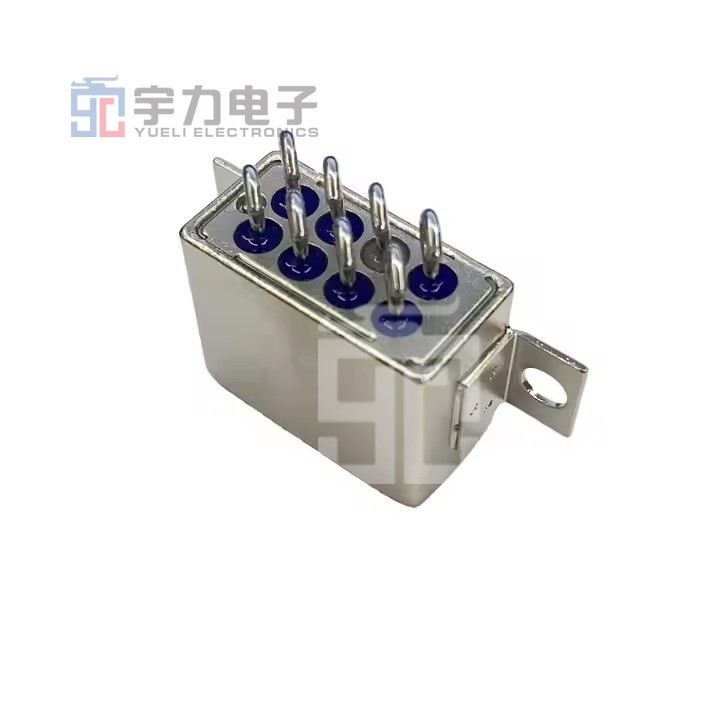
High power relays are essential components in various electronic applications, particularly in systems that require the control of high voltage and current loads. These devices function as electrically operated switches, allowing users to control a large power circuit with a smaller control signal. This capability makes them indispensable in applications ranging from industrial machinery to automotive systems and renewable energy installations.
One of the defining characteristics of high power relays is their robust construction, designed to handle significant electrical loads without compromising safety or performance. They typically feature contacts made from durable materials that can withstand the wear and tear associated with high current flows. Additionally, many high power relays are equipped with built-in protective features such as arc suppression mechanisms, which help prevent damage during switching operations. These features not only enhance the longevity of the relay but also ensure reliability in critical applications.
Another important aspect to consider when working with high power relays is their coil voltage rating. The coil is the component that activates the relay, and it is crucial to match the coil voltage to the system's specifications to ensure proper functionality. Operating a relay outside its specified voltage range can lead to failures or reduced performance. Understanding the specifications of high power relays, including their current and voltage ratings, will help you select the right component for your specific needs.
High power relays find a wide range of applications across different sectors. In industrial settings, they are used for controlling heavy machinery, ensuring that operations can be safely managed without direct human intervention. In automotive applications, high power relays are utilized in systems such as electric windows, lighting, and motors, where reliable performance is crucial for safety and functionality. The renewable energy sector also leverages high power relays in solar inverters and wind turbine controllers, where they help manage and distribute energy efficiently.
Furthermore, when integrating high power relays into your systems, it's essential to consider factors such as heat dissipation and environmental conditions. Relays generate heat during operation, and proper thermal management is necessary to maintain their performance and prevent premature failure. Additionally, choosing relays that are rated for specific environmental conditions—such as moisture, dust, and temperature fluctuations—will ensure reliable operation in various settings.
In summary, high power relays are vital components in modern electronic systems, offering the ability to control high current and voltage loads effectively. By understanding their features, applications, and operational considerations, you can make informed decisions when selecting and implementing these components in your projects.
Next:
Xi'an Yuli Electronic Technology Co., Ltd.
Whats App:+8618122061211

Message consultation
Note: Please leave your contact information and our professionals will contact you as soon as possible!