Welcome to the official website of Xi'an Yuli Electronic Technology Co., Ltd.


Understanding Electromagnetic Contactors: Essential Insights for Industry Professionals
2026-04-03
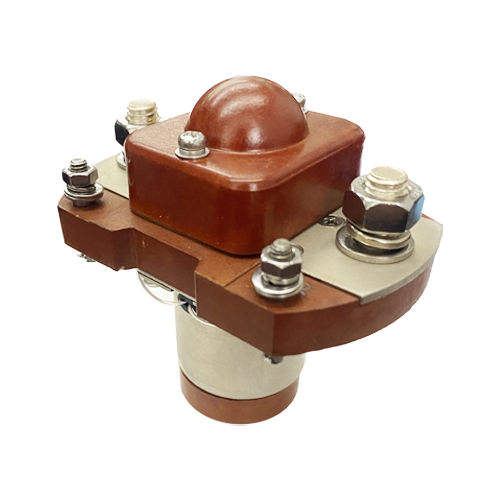
Electromagnetic contactors are pivotal components in electrical control systems, acting as switches that manage the flow of electricity. These devices are essential for automating the operation of motors, lighting, and other electrical loads. Understanding their construction and operation is crucial for industry professionals, as it enables better application and troubleshooting capabilities.
At their core, electromagnetic contactors consist of an electromagnetic coil, moving armature, and contacts. When electrical current flows through the coil, it generates a magnetic field that pulls the armature toward the coil. This movement opens or closes the contacts, allowing or interrupting the flow of electricity to the connected load. The design typically incorporates materials that provide durability and minimize wear over time, ensuring long-term performance.
One of the most significant advantages of electromagnetic contactors is their ability to handle high current loads efficiently. This makes them suitable for a variety of applications, including motor control, lighting circuits, and heating systems. They are often used in industrial settings where reliability and safety are paramount. Furthermore, they can be seamlessly integrated with control systems, enabling automation and remote operation.
When selecting an electromagnetic contactor, several technical specifications should be considered. The contactor's current and voltage ratings are critical to ensure that it can handle the intended load without overheating or failing. Additionally, the contactor's configuration, such as Normally Open (NO) or Normally Closed (NC) contacts, must align with the specific application requirements. Understanding these nuances can significantly impact system performance and longevity.
Moreover, electromagnetic contactors can experience wear and tear, leading to contact degradation over time. Regular maintenance and inspection are essential to prevent unexpected failures. Industry professionals should be aware of the common signs of wear, such as overheating, arcing, and inconsistent operation. Implementing a preventive maintenance program can help prolong the life of these devices and reduce downtime.
Another emerging consideration is the adoption of smart technologies in control systems. Electromagnetic contactors can be integrated with smart sensors and control panels, enabling real-time monitoring and wireless communication. This advancement allows for improved operational efficiency and proactive maintenance strategies.
In conclusion, electromagnetic contactors are vital for efficient and reliable electrical control in various industries. Their operational principles, coupled with careful selection and maintenance, contribute to the overall effectiveness of electrical systems. For professionals in the electronic components sector, gaining a comprehensive understanding of these devices will empower them to implement better solutions and enhance system performance.
Previous:
Xi'an Yuli Electronic Technology Co., Ltd.
Whats App:+8618122061211

Message consultation
Note: Please leave your contact information and our professionals will contact you as soon as possible!