Welcome to the official website of Xi'an Yuli Electronic Technology Co., Ltd.


Understanding DC Contactors: Essential Components for Electronic Applications
2026-04-05
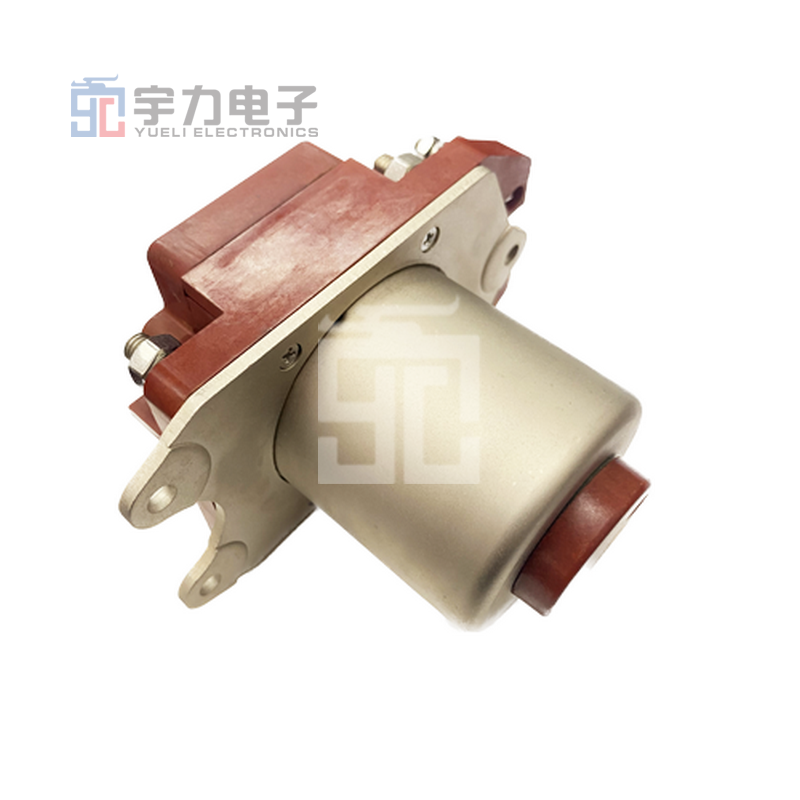
DC contactors are critical components in various electrical systems, primarily serving to control the flow of direct current (DC) within a circuit. Unlike traditional relays, DC contactors are specifically designed to handle higher currents and voltages, making them ideal for applications such as electric vehicles, renewable energy systems, and industrial machinery.
At the core of a DC contactor is an electromagnetic coil that, when energized, creates a magnetic field. This magnetic field attracts a movable armature, which then closes the contacts, allowing current to flow through the circuit. When the coil is de-energized, the magnetic field dissipates, and a spring mechanism returns the armature to its original position, opening the contacts and interrupting the circuit.
One of the primary advantages of DC contactors is their ability to handle large amounts of current without significant wear or degradation of the contacts. This durability is crucial in applications where frequent switching occurs, as it extends the contactor's operational life and reduces maintenance costs. Additionally, the design of DC contactors minimizes arcing during operation, which can lead to contact damage and reduced efficiency.
DC contactors come in various sizes and configurations, allowing for customization based on specific application requirements. Their versatility makes them suitable for a wide range of uses, including battery management systems, motor control circuits, and power distribution in off-grid solar installations. Moreover, advancements in technology have led to the development of solid-state DC contactors, which offer even greater reliability and faster switching times compared to traditional electromechanical designs.
When selecting a DC contactor for a particular application, several factors must be considered. These include the maximum current and voltage ratings, the required switching speed, and the environmental conditions in which the contactor will operate. Additionally, it is essential to ensure compatibility with the overall system design, as well as adherence to relevant safety standards.
In conclusion, DC contactors play an invaluable role in modern electronic applications, facilitating the efficient and reliable control of direct current. By understanding their functionality and applications, professionals in the industry can make informed decisions when integrating these components into their systems. Whether you're involved in electric vehicle technology or renewable energy solutions, a comprehensive knowledge of DC contactors will enhance your ability to design and implement effective electrical systems.
Xi'an Yuli Electronic Technology Co., Ltd.
Whats App:+8618122061211

Message consultation
Note: Please leave your contact information and our professionals will contact you as soon as possible!