Welcome to the official website of Xi'an Yuli Electronic Technology Co., Ltd.


Understanding High Power Relays: Essential Components for Modern Electronics
2026-04-07
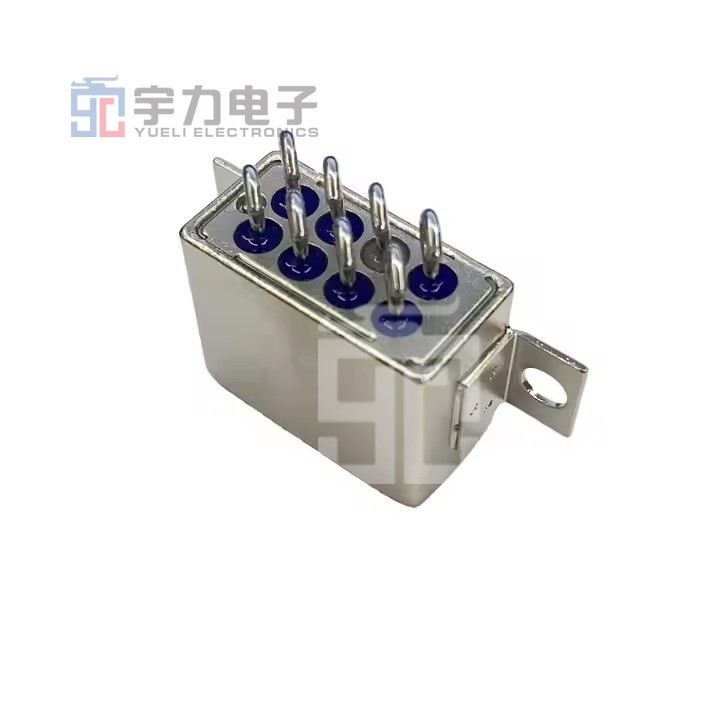
High power relays are pivotal components in various electronic systems, serving as electromechanical switches that control the flow of electrical power. These relays are designed to handle high voltage and current loads, making them essential in applications where switching large amounts of power is required. Their functionality is critical in industries such as industrial automation, automotive, and energy management systems.
One of the key features of high power relays is their ability to isolate different parts of a circuit, which enhances safety and protects sensitive components from damage due to voltage spikes or surges. They operate by using an electromagnetic coil to open or close the contacts of the relay, thus allowing or interrupting the flow of electricity. This makes them ideal for controlling motors, lamps, and other high-power devices.
High power relays come in various configurations, including single-pole, double-pole, and multiple-pole versions, catering to different circuit requirements. The choice of relay depends on factors such as the maximum load it needs to handle, the operating voltage, and the intended application. Moreover, it's essential to consider the relay's response time and switching speed, especially in applications that require rapid on-off cycles.
In addition to their fundamental switching capabilities, high power relays can also integrate advanced features such as built-in protection circuits, feedback mechanisms, and diagnostic capabilities. These enhancements improve reliability and increase the lifespan of the relay, making them better suited for harsh operating conditions. For instance, relays with thermal protection can prevent overheating, while those with built-in monitoring can provide real-time status updates and alerts for maintenance.
High power relays are increasingly being integrated into smart grid technologies and renewable energy systems, where their ability to manage high loads is vital. As the demand for energy efficiency and automation grows, the role of high power relays is becoming more prominent in developing smart infrastructures.
In conclusion, understanding the functionality and application of high power relays is crucial for professionals in the electronics field. Their ability to manage high loads, isolate circuits, and provide operational reliability makes them indispensable components in modern electronic designs. By selecting the appropriate high power relay for specific applications, engineers can enhance system performance and ensure long-term operational success.
Xi'an Yuli Electronic Technology Co., Ltd.
Whats App:+8618122061211

Message consultation
Note: Please leave your contact information and our professionals will contact you as soon as possible!