Welcome to the official website of Xi'an Yuli Electronic Technology Co., Ltd.


Understanding Sealed Relays: Enhancing Reliability in Electronic Applications
2026-04-09
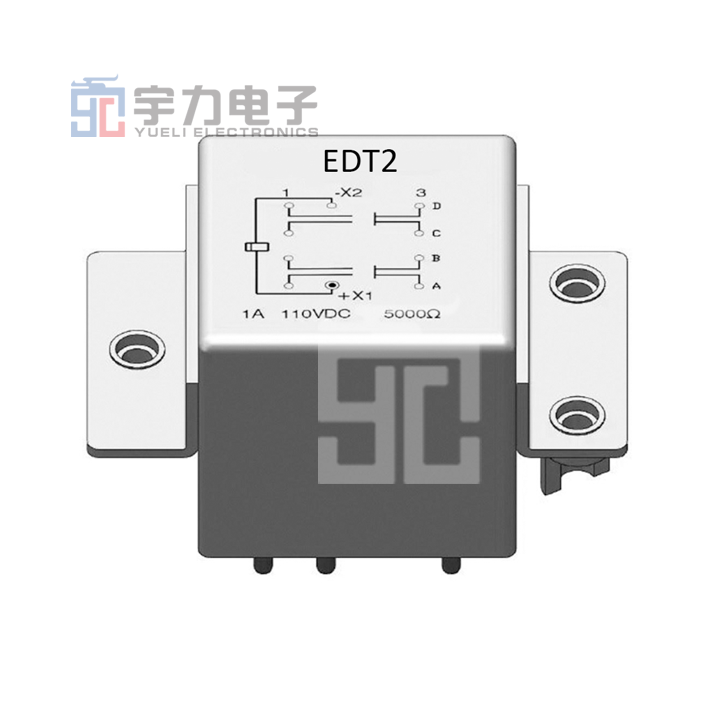
Sealed relays are specialized electromechanical switches that provide an essential function in controlling the flow of electricity in a circuit. The defining feature of these relays is their hermetically sealed construction, which protects the internal components from moisture, dust, and other environmental contaminants. This sealing makes sealed relays particularly well-suited for applications in harsh environments, where exposure to pollutants could compromise the relay’s functionality.
One of the primary advantages of using sealed relays is their enhanced reliability. By preventing ingress of foreign substances, sealed relays minimize the risk of corrosion and electrical shorts, which can lead to failure in unsealed components. This reliability is crucial in sectors such as automotive, aerospace, and industrial automation, where operational downtime can result in significant losses.
Sealed relays are available in various configurations, including electromagnetic, solid-state, and hybrid types, allowing for flexibility in design to meet specific application requirements. Electromagnetic sealed relays utilize an electromagnetic coil to operate the switch, while solid-state relays use semiconductor materials to perform the switching action without moving parts. This diversity enables engineers to select the most appropriate type based on factors like speed, load requirements, and environmental conditions.
Another important aspect to consider when working with sealed relays is their operational characteristics, such as coil voltage, contact ratings, and switching speed. Understanding these specifications is vital for ensuring compatibility with the overall system design. Moreover, sealed relays often come with standardized pin configurations, facilitating easy integration into existing circuit boards and systems.
In addition to their physical and operational advantages, sealed relays also contribute to the overall safety of electronic devices. By isolating the control circuit from the load circuit, they minimize the risk of electrical shock and enhance user safety. This feature is particularly important in consumer electronics and medical devices, where user protection is paramount.
Working with sealed relays also demands attention to installation practices. Proper mounting and connection techniques are essential to maintain the integrity of the seal, which ultimately preserves the relay’s performance over time. Engineers should be mindful of the recommended torque specifications and connection methods outlined by the manufacturers to avoid damaging the sealed casing.
In conclusion, sealed relays are an invaluable component in the electronic component industry, offering reliable performance in challenging environments. Their ability to withstand contamination while maintaining operational integrity makes them a preferred choice in numerous applications. Understanding the intricacies of sealed relays, including their design, operational characteristics, and installation practices, is essential for professionals aiming to optimize their electronic systems for longevity and reliability.
Xi'an Yuli Electronic Technology Co., Ltd.
Whats App:+8618122061211

Message consultation
Note: Please leave your contact information and our professionals will contact you as soon as possible!