Welcome to the official website of Xi'an Yuli Electronic Technology Co., Ltd.


The Significance of Aerospace Relays in Ground Support Equipment
2026-04-26
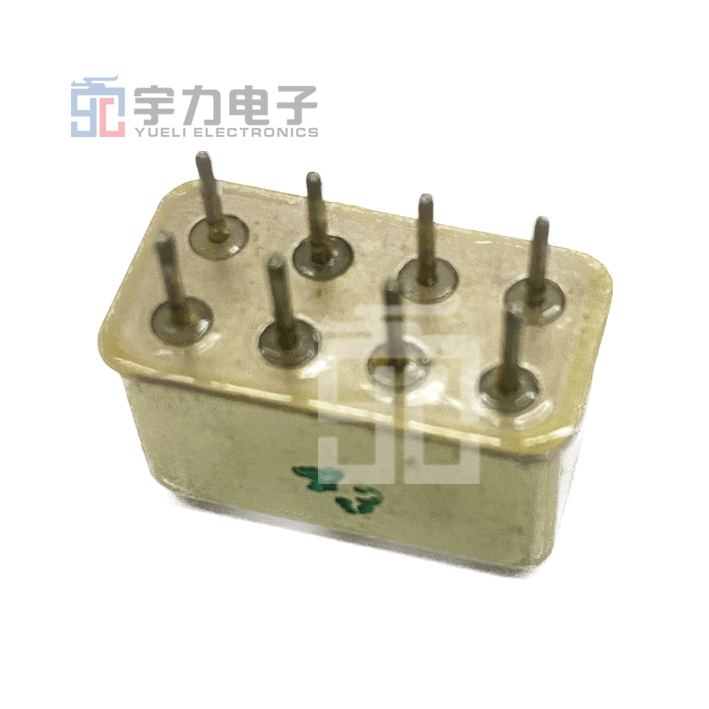
The Significance of Aerospace Relays in Ground Support Equipment
Table of Contents
- 1. Introduction to Aerospace Relays
- 2. Understanding Aerospace Relays
- 3. Importance of Aerospace Relays in Ground Support Equipment
- 4. Applications of Aerospace Relays in Ground Support Equipment
- 5. Innovations in Aerospace Relay Technology
- 6. Challenges in Implementing Aerospace Relays
- 7. Future Trends in Aerospace Relay Development
- 8. Conclusion
- 9. Frequently Asked Questions (FAQs)
1. Introduction to Aerospace Relays
Aerospace relays play a pivotal role in the functionality of ground support equipment (GSE) within the aerospace sector. As the backbone of operations, these components ensure that various systems operate effectively, safely, and reliably. This article examines the significance of aerospace relays, focusing on their types, applications, and innovations that advance the industry.
2. Understanding Aerospace Relays
2.1 What Are Aerospace Relays?
Aerospace relays are electromechanical switches that control a circuit through an electromagnetic coil. By using a small amount of current, they can switch larger currents on and off, making them essential in various applications, including ground support equipment. Their primary function is to enhance control and safety in electrical systems, ensuring that operations run smoothly.
2.2 Types of Aerospace Relays
Various types of aerospace relays cater to different applications. Some notable types include:
- **Electromechanical Relays (EMRs):** Commonly used for switching heavy loads in ground support equipment.
- **Solid-State Relays (SSRs):** Offer rapid switching times and high reliability, often used in systems requiring precise control.
- **Hybrid Relays:** Combine the benefits of both EMRs and SSRs, providing versatility in applications.
Understanding these types is crucial for selecting the right relay for specific needs in ground support operations.
3. Importance of Aerospace Relays in Ground Support Equipment
3.1 Enhancing Efficiency in Operations
Aerospace relays significantly enhance the efficiency of ground support equipment. By enabling precise control over various systems—such as aircraft power distribution, fueling, and maintenance—relays help streamline operations. Their ability to respond quickly to control signals reduces downtime and increases the overall productivity of ground support activities.
3.2 Ensuring Safety and Reliability
Safety is paramount in the aerospace industry, and aerospace relays contribute to this by providing reliable operation. They are designed to withstand extreme conditions, including temperature variations and vibrations, which are common in ground support environments. The fail-safe mechanisms embedded in these relays ensure that any malfunction triggers a shutdown, preventing accidents and safeguarding personnel and equipment.
4. Applications of Aerospace Relays in Ground Support Equipment
Aerospace relays find applications across various ground support equipment, including:
- **Ground Power Units (GPUs):** Relays control the electrical systems, ensuring safe operation during power supply to the aircraft.
- **Refueling Systems:** In refueling equipment, relays manage the flow of fuel, ensuring accurate and safe transfers.
- **Maintenance Equipment:** Relays are used to control diagnostics and maintenance systems, providing technicians with essential feedback during aircraft servicing.
Each application underscores the versatility and essential nature of aerospace relays in ground operations.
5. Innovations in Aerospace Relay Technology
The aerospace industry is continually evolving, leading to innovations in relay technology. Recent advancements include:
- **Smart Relays:** Integration with IoT technology allows for remote monitoring and diagnostics, enhancing operational efficiency and reducing maintenance costs.
- **Advanced Materials:** The use of lightweight and durable materials improves the performance and lifespan of aerospace relays, making them more reliable under challenging conditions.
- **Automation:** The trend towards automation in ground operations has led to the development of relays that can operate autonomously, streamlining processes and enhancing safety.
These innovations reflect the industry's dedication to improving operational capabilities and safety.
6. Challenges in Implementing Aerospace Relays
Despite their advantages, implementing aerospace relays comes with challenges:
- **Cost Implications:** High-quality aerospace relays can be expensive, impacting budgets for ground support equipment.
- **Complexity in Integration:** Integrating new relay technologies into existing systems can be complex, requiring skilled personnel and additional training.
- **Vulnerability to Environmental Factors:** Although designed to endure harsh conditions, relays can still be affected by extreme temperatures, moisture, and debris.
Addressing these challenges is essential for maximizing the benefits of aerospace relays in ground support operations.
7. Future Trends in Aerospace Relay Development
As technology advances, several trends are expected to shape the future of aerospace relays:
- **Increased Focus on Sustainability:** The demand for energy-efficient and environmentally friendly relays will grow, prompting manufacturers to adopt sustainable practices in their production.
- **Enhanced Connectivity:** The integration of smart technology will allow relays to communicate with other systems, facilitating real-time data exchange and improving operational decision-making.
- **Customization:** There will be a growing trend toward customized relay solutions tailored to specific operational needs, allowing for greater flexibility in ground support equipment.
These trends indicate a promising future for aerospace relays, with innovations aimed at enhancing their functionality and reliability.
8. Conclusion
Aerospace relays are crucial to the efficiency and safety of ground support equipment in the aerospace industry. By understanding their types, applications, and innovations, stakeholders can appreciate their significance in enhancing operational capabilities. While challenges exist, the advancements in relay technology promise a future where these components will continue to play a vital role in supporting the aerospace sector.
9. Frequently Asked Questions (FAQs)
What is the primary function of aerospace relays?
Aerospace relays primarily control electrical circuits, allowing for the safe and efficient operation of various systems in ground support equipment.
What types of aerospace relays are commonly used?
Common types include electromechanical relays, solid-state relays, and hybrid relays, each serving different functions and applications.
How do aerospace relays enhance safety in ground support equipment?
Aerospace relays enhance safety by providing reliable operation and fail-safe mechanisms that prevent accidents during critical operations.
What are the challenges associated with implementing aerospace relays?
Challenges include cost implications, complexity in integration, and vulnerability to environmental factors.
What future trends are expected in aerospace relay technology?
Future trends include increased focus on sustainability, enhanced connectivity through smart technology, and customization for specific operational needs.
By understanding the importance of aerospace relays in ground support equipment, industry professionals can ensure the highest levels of efficiency and safety in aerospace operations.
Xi'an Yuli Electronic Technology Co., Ltd.
Whats App:+8618122061211

Message consultation
Note: Please leave your contact information and our professionals will contact you as soon as possible!