Welcome to the official website of Xi'an Yuli Electronic Technology Co., Ltd.


How to Identify the Right Size for Your Three Phase Contactor: A Comprehensive Guide
2026-04-30
How to Identify the Right Size for Your Three Phase Contactor: A Comprehensive Guide
Table of Contents
- 1. Introduction to Three Phase Contactors
- 2. Understanding Contactors: What They Are and How They Work
- 3. The Importance of Proper Sizing for Three Phase Contactors
- 4. Calculating Load Requirements for Your Application
- 5. Environmental Factors Affecting Contactor Selection
- 6. Types of Three Phase Contactors and Their Applications
- 7. Safety Considerations When Selecting a Contactor
- 8. Common Mistakes to Avoid When Sizing Contactors
- 9. Conclusion
- 10. FAQs
1. Introduction to Three Phase Contactors
Three phase contactors play a crucial role in electrical systems, serving as the primary means of switching electrical loads. Understanding how to select the right size for these devices is essential for efficient and safe operation. In this guide, we will explore the various factors that affect contactor selection, providing you with a comprehensive understanding of how to identify the right size for your specific application.
2. Understanding Contactors: What They Are and How They Work
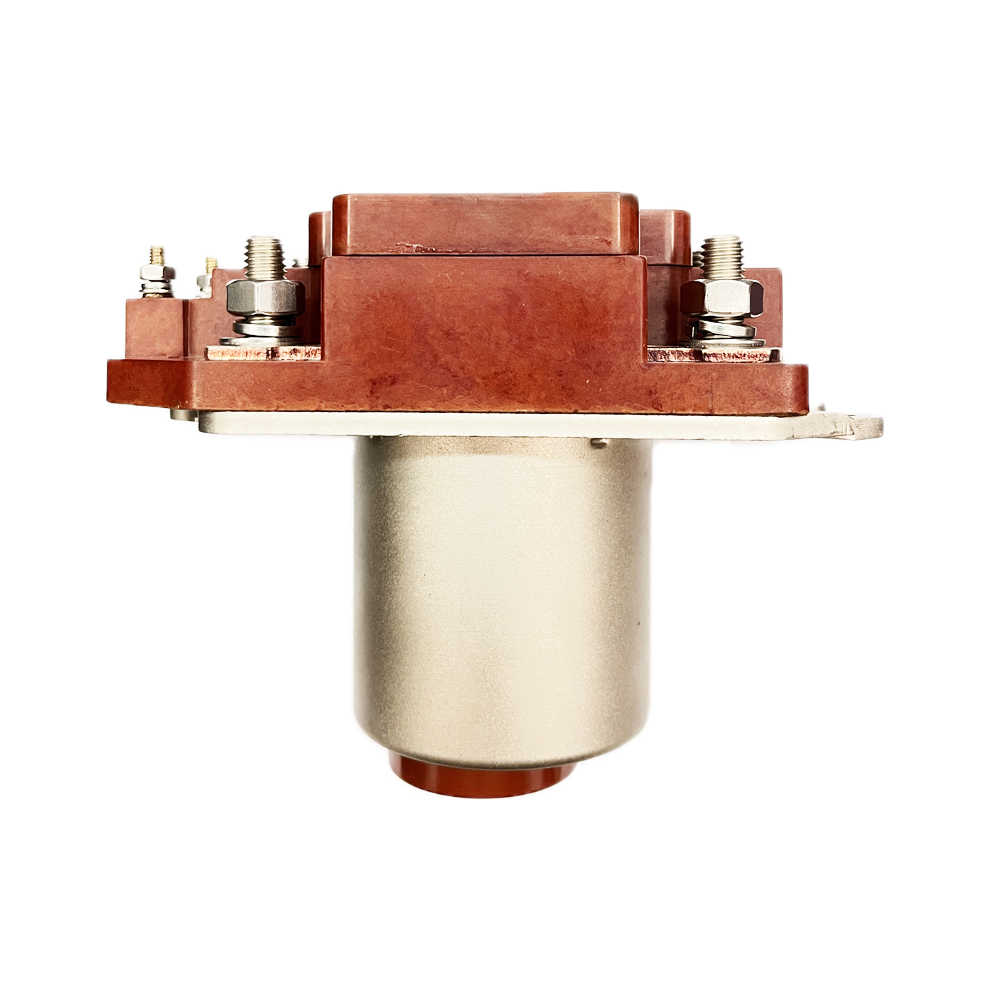
A contactor is an electrically controlled switch used to control power circuits. It consists of a coil, contacts, and an enclosure. When a voltage is applied to the coil, it creates an electromagnetic field that pulls the contacts together, allowing current to flow through the load. In three phase systems, contactors are designed to handle three separate currents simultaneously, ensuring balanced operation and enhancing motor efficiency.
3. The Importance of Proper Sizing for Three Phase Contactors
Proper sizing of three phase contactors is vital for several reasons:
- **Performance**: An undersized contactor may overheat or fail, leading to equipment downtime.
- **Safety**: An oversized contactor can cause unnecessary wear and tear on components, potentially leading to hazardous situations.
- **Efficiency**: Correct sizing ensures energy efficiency, minimizing power loss and operational costs.
Understanding the load requirements and environmental conditions is essential to avoid these issues.
4. Calculating Load Requirements for Your Application
Calculating the load requirements is the first step in selecting the right contactor size. This involves assessing the electrical load that the contactor will control.
4.1 Full Load Current Calculation
The full load current (FLC) is the current drawn by the motor or device at full capacity. This value is typically listed on the motor's nameplate or in the manufacturer's specifications. To calculate FLC for a three-phase system, use the following formula:
**FLC = (Power in Watts) / (Voltage × √3 × Efficiency × Power Factor)**
Make sure to account for the motor's efficiency and power factor for accurate results.
4.2 Starting Current Considerations
Starting current, or inrush current, is the initial surge of current required to start the motor. This value can be significantly higher than the full load current, often ranging from 5 to 7 times greater. It's crucial to choose a contactor that can handle this surge without tripping or failing. Some manufacturers provide specific ratings for starting current, which should be taken into account during selection.
5. Environmental Factors Affecting Contactor Selection
Environmental conditions can significantly impact the performance and longevity of a contactor. Consider the following factors:
- **Temperature**: Higher temperatures can lead to increased resistance and reduced contactor efficiency.
- **Humidity**: High humidity levels can cause corrosion and degrade the contactor materials.
- **Dust and Contaminants**: Contamination can impede contact function, leading to failures.
- **Altitude**: Higher altitudes can affect the electrical insulation properties, requiring specially rated contactors.
Choose contactors that are rated for the specific environmental conditions in which they will operate.
6. Types of Three Phase Contactors and Their Applications
Different types of contactors are available, each serving unique applications. Understanding these types helps in making the right choice.
6.1 Magnetic Contactors
Magnetic contactors are the most common type used in three phase systems. They utilize electromagnetic coils to open and close the contacts and are suitable for various applications, including motor control and lighting.
6.2 Solid State Contactors
Solid state contactors (SSCs) are electronic devices that provide faster switching times and longer lifespans compared to traditional magnetic contactors. They are ideal for applications requiring high-speed switching and minimal electrical noise.
Choosing between these types depends on specific application requirements, including switching frequency and load type.
7. Safety Considerations When Selecting a Contactor
Safety should always be a top priority when selecting a contactor. Consider the following safety aspects:
- **Overload Protection**: Ensure that the contactor has built-in overload protection to prevent damage from excessive current.
- **Short-Circuit Protection**: Look for contactors that offer short-circuit protection to safeguard against electrical faults.
- **Fuse Ratings**: Ensure proper fuse ratings are compatible with the contactor to avoid electrical hazards.
Always refer to local electrical codes and regulations to ensure compliance.
8. Common Mistakes to Avoid When Sizing Contactors
Selecting the wrong size or type of contactor can lead to costly mistakes. Here are common pitfalls to avoid:
- **Neglecting Starting Current**: Failing to consider starting current can lead to contactor failure during motor startup.
- **Ignoring Environmental Conditions**: Using a contactor not rated for specific environmental factors can shorten its lifespan.
- **Not Consulting Manufacturer Specifications**: Always refer to manufacturer guidelines for specific load ratings and dimensions.
By being aware of these common mistakes, you can ensure a more effective and safe contactor selection.
9. Conclusion
Choosing the right size for your three phase contactor is critical for ensuring the efficiency, safety, and longevity of your electrical systems. By understanding load requirements, environmental factors, and safety considerations, you can make informed decisions that enhance performance and reduce the risk of failures. Whether you are an engineer, electrician, or a DIY enthusiast, the insights provided in this guide will equip you with the knowledge to select the appropriate contactor for your needs.
10. FAQs
**Q1: What is the difference between a contactor and a relay?**
A: A contactor is specifically designed for controlling larger electrical loads, while relays are typically used for lower power applications.
**Q2: How do I know if my contactor is undersized?**
A: Frequent overheating, tripping, or failure during operation can indicate that a contactor is undersized for its application.
**Q3: Can I use a contactor for single-phase loads?**
A: While contactors are primarily designed for three-phase applications, they can be used for single-phase loads if properly rated.
**Q4: What are the signs of a failing contactor?**
A: Signs include inconsistent operation, overheating, unusual noises, and physical damage to the unit.
**Q5: How often should contactors be inspected or replaced?**
A: Regular inspections should be conducted, with replacements recommended every 5-10 years, depending on usage and environmental factors.
Xi'an Yuli Electronic Technology Co., Ltd.
Whats App:+8618122061211

Message consultation
Note: Please leave your contact information and our professionals will contact you as soon as possible!