Welcome to the official website of Xi'an Yuli Electronic Technology Co., Ltd.


Automating Your Processes with Smart Three Phase Relays: A Comprehensive Guide to Efficiency and Reliability
2026-05-08
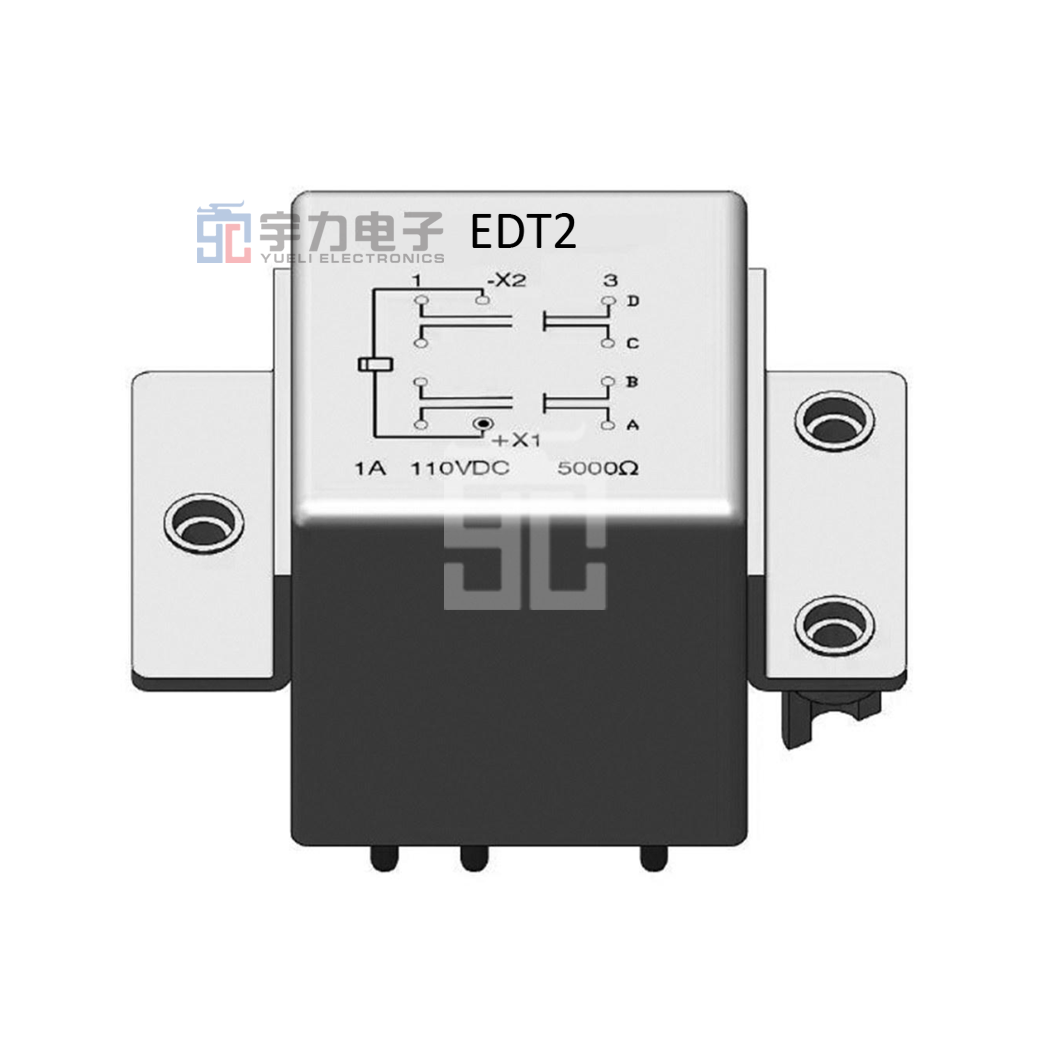
Automating Your Processes with Smart Three Phase Relays
Table of Contents
- 1. Introduction to Smart Three Phase Relays
- 2. Understanding the Basics of Relays
- 3. Types of Relays: Why Smart Three Phase Relays Stand Out
- 4. Benefits of Using Smart Three Phase Relays in Automation
- 5. Applications of Smart Three Phase Relays in Various Industries
- 6. Installing Smart Three Phase Relays: Best Practices
- 7. Troubleshooting Common Issues with Smart Three Phase Relays
- 8. The Future of Automation with Smart Three Phase Relays
- 9. Frequently Asked Questions (FAQs)
- 10. Conclusion
1. Introduction to Smart Three Phase Relays
Smart three-phase relays have transformed the landscape of industrial automation. As industries strive for increased efficiency and reliability, these devices offer a seamless solution to manage electrical loads, ensure equipment protection, and optimize operational performance. With their advanced features, smart three-phase relays can significantly enhance the functionality of various automation systems.
2. Understanding the Basics of Relays
A relay is an electromechanical switch that allows a low-power signal to control a high-power circuit. Relays provide a safe and efficient means of controlling electrical devices by acting as intermediaries. Typically, they consist of a coil, an armature, and contacts that open or close circuits based on the activation of the coil.
2.1 How Relays Work
When voltage is applied to the coil, it generates a magnetic field that attracts the armature, causing the contacts to change state. This simple yet effective operation allows relays to control various electrical loads without direct human intervention.
3. Types of Relays: Why Smart Three Phase Relays Stand Out
There are several types of relays, each designed for specific applications. However, smart three-phase relays stand out due to their advanced functionalities.
3.1 Electromechanical Relays
Electromechanical relays use mechanical parts to operate. They are robust but slower and less efficient in comparison to their smart counterparts.
3.2 Solid-State Relays
Solid-state relays (SSRs) rely on electronic components to switch the load. They provide faster switching speeds and longer life spans but lack some advanced features found in smart relays.
3.3 Smart Three Phase Relays
Smart three-phase relays combine the benefits of both electromechanical and solid-state relays while integrating connectivity features. These relays can communicate with other devices, allowing for centralized control and monitoring.
4. Benefits of Using Smart Three Phase Relays in Automation
Utilizing smart three-phase relays comes with a multitude of benefits, enhancing the efficiency and reliability of operations.
4.1 Improved Efficiency
Smart relays optimize power usage by managing loads dynamically, thus reducing energy consumption and operational costs.
4.2 Enhanced Monitoring and Control
With built-in connectivity options, smart relays provide real-time monitoring and control capabilities. Operators can access data remotely, allowing for informed decision-making.
4.3 Increased Reliability
By providing overload and short-circuit protection, smart relays enhance the overall reliability of electrical systems. They can quickly detect faults and take corrective actions to prevent damage.
4.4 Ease of Integration
Smart three-phase relays can easily integrate with existing automation systems, making them an ideal choice for updating legacy systems without extensive rewiring.
4.5 Flexibility and Scalability
These relays can be configured to meet specific operational requirements, allowing for scalable solutions as businesses grow.
5. Applications of Smart Three Phase Relays in Various Industries
Smart three-phase relays find applications across various sectors, demonstrating their versatility and effectiveness.
5.1 Manufacturing
In manufacturing, smart relays are essential for controlling motors, conveyors, and other machinery, ensuring that processes run smoothly and efficiently.
5.2 HVAC Systems
In heating, ventilation, and air conditioning (HVAC) systems, smart relays manage the operation of fans, compressors, and pumps, optimizing energy consumption.
5.3 Renewable Energy
In renewable energy applications, such as solar and wind, smart three-phase relays control the connection of power generation systems to the grid, ensuring reliability and efficiency.
5.4 Water and Wastewater Management
Smart relays play a crucial role in water treatment plants, managing the operation of pumps and valves for efficient water distribution.
5.5 Commercial Buildings
In commercial buildings, smart relays contribute to energy management systems by controlling lighting, heating, and cooling systems based on occupancy and usage patterns.
6. Installing Smart Three Phase Relays: Best Practices
The installation of smart three-phase relays requires careful planning and execution to ensure optimal performance.
6.1 Preparing the Installation Site
Before installation, ensure that the site is clean and free of debris. Adequate space should be available for maintenance and accessibility.
6.2 Following Manufacturer Guidelines
Always refer to the manufacturer's installation manual for specific instructions regarding wiring, mounting, and configuration. Adhering to these guidelines ensures safety and functionality.
6.3 Testing the Setup
After installation, conduct thorough testing to verify that the relay operates as expected. Check for proper communication with other devices and ensure that fault detection mechanisms function correctly.
7. Troubleshooting Common Issues with Smart Three Phase Relays
Despite their reliability, issues may arise with smart three-phase relays. Here are some common problems and their solutions.
7.1 Power Supply Issues
If the relay does not power on, check the power supply connections and ensure that the voltage matches the specifications.
7.2 Communication Failures
If the relay fails to communicate with connected devices, verify the network connections and check for software compatibility.
7.3 Fault Detection Errors
In cases where the relay does not detect faults, review the configuration settings and ensure that thresholds are set correctly.
8. The Future of Automation with Smart Three Phase Relays
The future of automation looks promising with the continuous evolution of smart three-phase relays. As technology advances, we can expect to see even more sophisticated features, including enhanced artificial intelligence capabilities, improved energy management functions, and greater integration with the Internet of Things (IoT).
9. Frequently Asked Questions (FAQs)
9.1 What is the main advantage of using smart three-phase relays?
The primary advantage is their ability to optimize energy consumption and enhance control through real-time monitoring and communication with other devices.
9.2 Can smart three-phase relays integrate with existing systems?
Yes, they are designed to easily integrate with existing automation systems, making upgrades straightforward.
9.3 How do I troubleshoot communication issues with my relay?
Start by checking the network connections and compatibility of software. Ensure that the relay is powered and properly configured.
9.4 What industries benefit the most from smart three-phase relays?
Manufacturing, HVAC, renewable energy, water management, and commercial buildings are among the key sectors that benefit significantly.
9.5 Are smart three-phase relays energy efficient?
Yes, they are designed to optimize energy usage, leading to reduced operational costs and improved sustainability.
10. Conclusion
Smart three-phase relays represent a significant advancement in the field of automation, offering numerous benefits that enhance efficiency, reliability, and flexibility across various industries. By adopting these innovative devices, businesses can improve their operational performance, reduce energy consumption, and gain a competitive edge in the market. As technology continues to evolve, the potential for smart three-phase relays in reshaping automation is limitless. Organizations that embrace this technology will undoubtedly be better positioned for future success.
Xi'an Yuli Electronic Technology Co., Ltd.
Whats App:+8618122061211

Message consultation
Note: Please leave your contact information and our professionals will contact you as soon as possible!