Welcome to the official website of Xi'an Yuli Electronic Technology Co., Ltd.


Understanding Electromagnetic Contactors: Key Components and Applications
2026-05-15
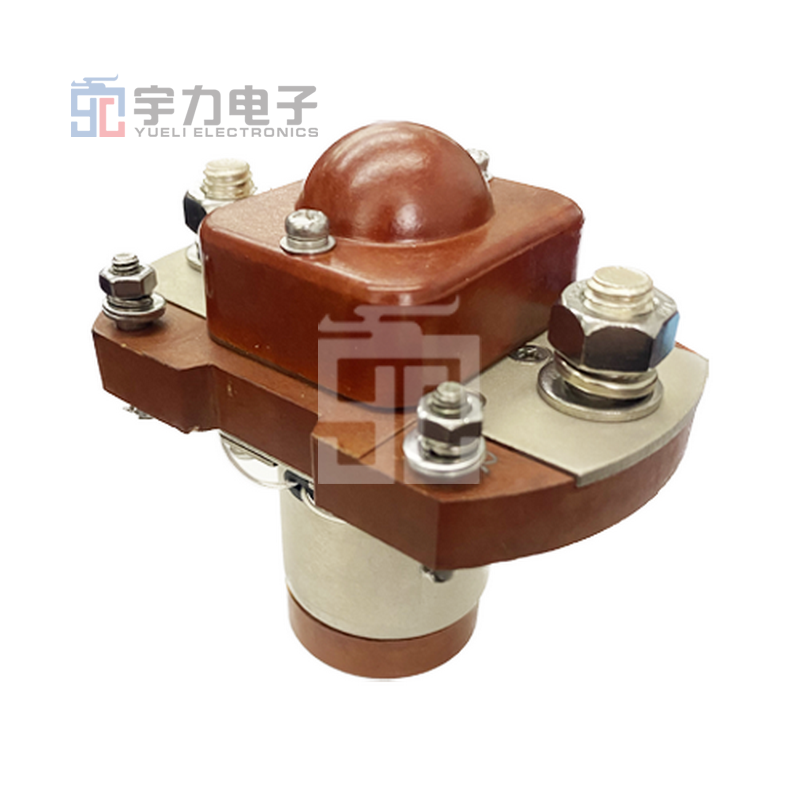
Electromagnetic contactors are vital components widely used in electrical control systems for their ability to manage power circuits efficiently. They serve as remote-controlled switches, allowing operators to control electrical loads with minimal manual intervention. Understanding their operation, applications, and advantages can significantly benefit professionals in the electronics industry.
At its core, an electromagnetic contactor consists of an electromagnet and a set of contacts. When electrical current flows through the coil of the electromagnet, it generates a magnetic field that pulls the movable contact towards the fixed contact, thereby closing the circuit. This action allows current to pass through the load, thus powering it. When the current is cut off, the magnetic field collapses, and the contacts return to their original position, opening the circuit and stopping the flow of electricity. This rapid switching capability makes electromagnetic contactors ideal for various applications, from motor control to lighting systems.
One of the primary benefits of using electromagnetic contactors is their ability to handle high voltage and current loads while providing reliable performance. They are designed to withstand the thermal and mechanical stresses associated with frequent operations, making them a preferred choice for industrial applications. Additionally, many contactors come equipped with auxiliary contacts that enable users to incorporate additional control or signaling functions, further enhancing their versatility.
Electromagnetic contactors play a crucial role in automation systems. In manufacturing processes, they are used to control motors, conveyors, and other machinery, contributing to increased efficiency and safety. They also find applications in HVAC systems, lighting controls, and residential electrical installations, where they help manage energy consumption effectively.
Furthermore, electromagnetic contactors can be integrated with other components such as overload relays and timers, forming comprehensive control systems that improve operational efficiency. For instance, combining contactors with overload protection allows for automatic disconnection in the event of an overload, safeguarding both the equipment and personnel.
To ensure optimal performance, it's essential to consider factors such as the contactor's rated current and voltage, operating environment, and the type of load it will control. Regular maintenance and inspection can also extend the lifespan of these devices and prevent unexpected failures.
In conclusion, electromagnetic contactors are indispensable in the world of electronic components. By understanding their function and applications, professionals can leverage these devices to enhance control systems, improve safety, and optimize performance in various industrial and residential settings. As technology continues to evolve, the role of electromagnetic contactors will remain critical in the push for more efficient and reliable electrical systems.
Xi'an Yuli Electronic Technology Co., Ltd.
Whats App:+8618122061211

Message consultation
Note: Please leave your contact information and our professionals will contact you as soon as possible!