Welcome to the official website of Xi'an Yuli Electronic Technology Co., Ltd.


Understanding Radio Frequency Relays: An Essential Component in Modern Electronics
2025-04-10
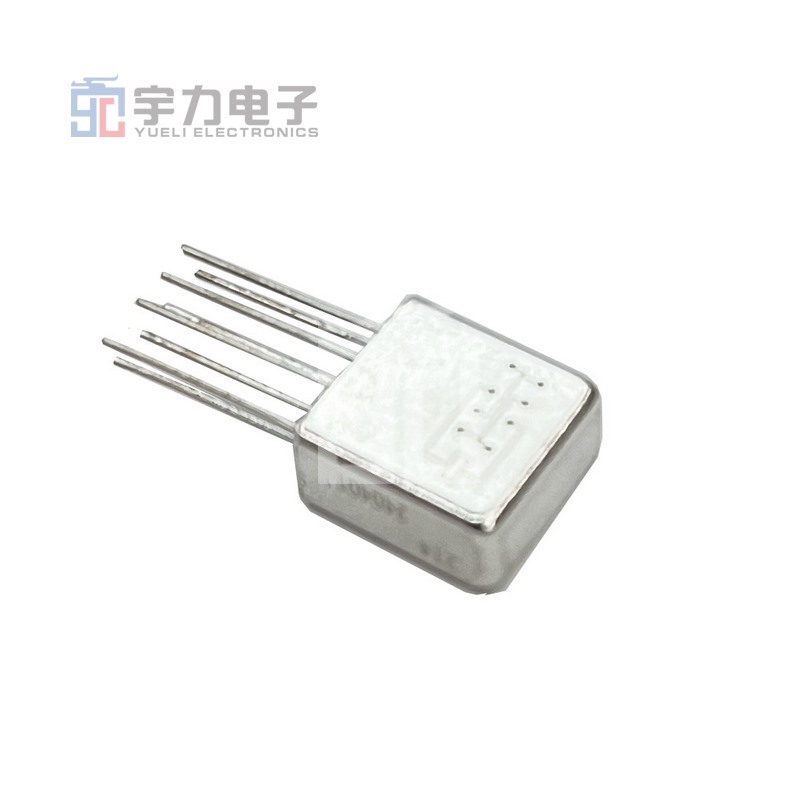
Radio frequency relays are specialized electronic devices that play a crucial role in various applications, particularly in the field of telecommunications and automation. These relays are designed to operate at radio frequencies, allowing them to switch electronic circuits on and off while managing the transmission of signals effectively. What sets radio frequency relays apart from standard relays is their ability to handle high-frequency signals without significant signal degradation, making them ideal for wireless communication systems.
One of the primary functions of radio frequency relays is to control the flow of electricity in circuits that are operating at radio frequencies. They act as switches that can be activated by electrical signals, enabling the desired circuit path to be established or interrupted. This functionality is vital in applications such as remote control systems, where radio frequency signals are used to send commands from a distance.
In addition to their role in telecommunications, radio frequency relays are also prevalent in automotive technology, where they are used in keyless entry systems, remote start features, and other electronic controls. These relays help to enhance the functionality and security of vehicles, providing convenience to drivers while ensuring that electronic systems operate smoothly.
Another significant application of radio frequency relays is in the realm of industrial automation. Here, they facilitate the control of machinery and equipment through remote commands, allowing operators to manage systems from a safe distance. This capability not only improves operational efficiency but also minimizes the risk of accidents in hazardous environments.
When choosing a radio frequency relay for a specific application, several factors should be considered. These include the frequency range, switching speed, power handling capacity, and the physical size of the relay. Understanding these parameters can help ensure that the selected relay meets the requirements of the application, ensuring optimal performance and reliability.
In conclusion, radio frequency relays are indispensable components in modern technology, bridging the gap between electronic circuits and wireless communication. Their ability to handle high-frequency signals makes them essential in various sectors, from telecommunications to industrial automation and automotive systems. As technology continues to evolve, the significance of radio frequency relays is expected to grow, paving the way for innovative applications and improved electronic systems.
One of the primary functions of radio frequency relays is to control the flow of electricity in circuits that are operating at radio frequencies. They act as switches that can be activated by electrical signals, enabling the desired circuit path to be established or interrupted. This functionality is vital in applications such as remote control systems, where radio frequency signals are used to send commands from a distance.
In addition to their role in telecommunications, radio frequency relays are also prevalent in automotive technology, where they are used in keyless entry systems, remote start features, and other electronic controls. These relays help to enhance the functionality and security of vehicles, providing convenience to drivers while ensuring that electronic systems operate smoothly.
Another significant application of radio frequency relays is in the realm of industrial automation. Here, they facilitate the control of machinery and equipment through remote commands, allowing operators to manage systems from a safe distance. This capability not only improves operational efficiency but also minimizes the risk of accidents in hazardous environments.
When choosing a radio frequency relay for a specific application, several factors should be considered. These include the frequency range, switching speed, power handling capacity, and the physical size of the relay. Understanding these parameters can help ensure that the selected relay meets the requirements of the application, ensuring optimal performance and reliability.
In conclusion, radio frequency relays are indispensable components in modern technology, bridging the gap between electronic circuits and wireless communication. Their ability to handle high-frequency signals makes them essential in various sectors, from telecommunications to industrial automation and automotive systems. As technology continues to evolve, the significance of radio frequency relays is expected to grow, paving the way for innovative applications and improved electronic systems.
Xi'an Yuli Electronic Technology Co., Ltd.
Whats App:+8618122061211

Message consultation
Note: Please leave your contact information and our professionals will contact you as soon as possible!