Welcome to the official website of Xi'an Yuli Electronic Technology Co., Ltd.


Unlocking the Benefits of Polarized Relays in Modern Electronics
2025-04-11
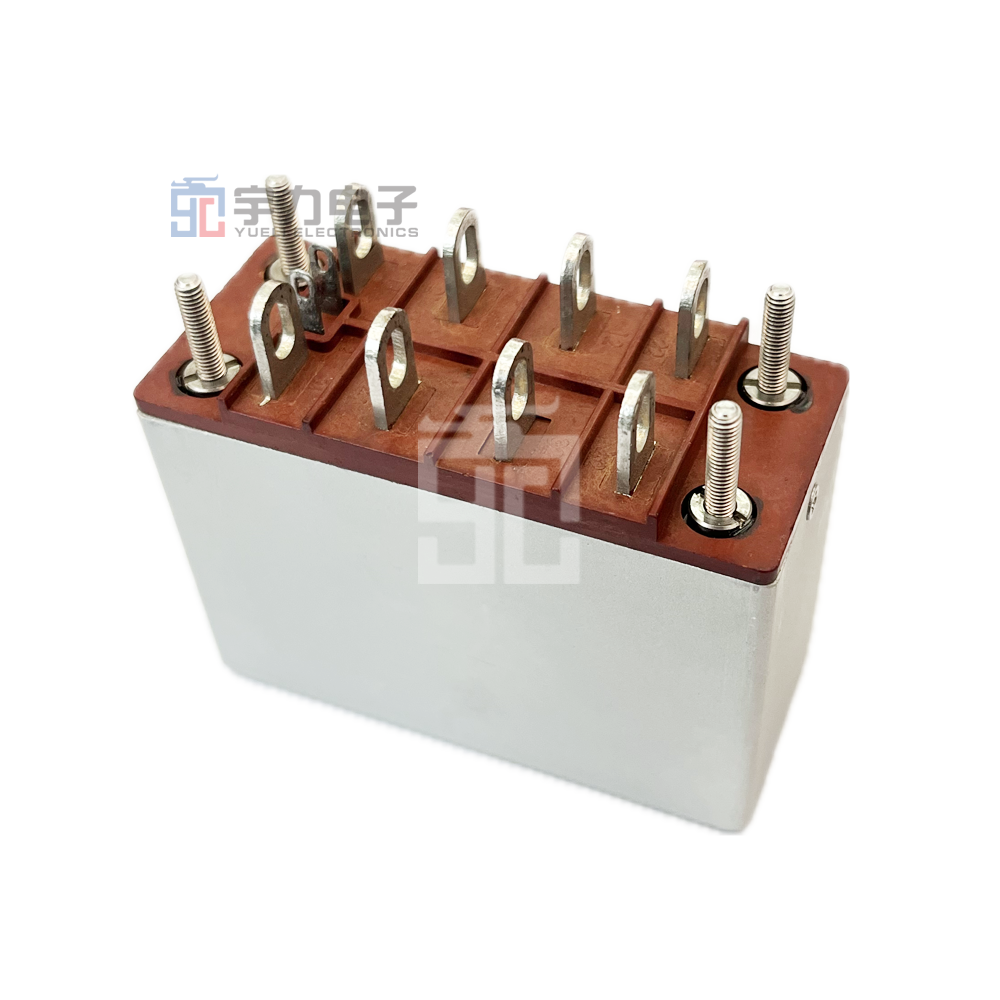
Unlocking the Benefits of Polarized Relays in Modern Electronics
Table of Contents
- Introduction to Polarized Relays
- What Are Polarized Relays?
- Working Principles of Polarized Relays
- Advantages of Polarized Relays in Electronics
- Applications of Polarized Relays in Modern Electronics
- Comparison: Polarized Relays vs. Non-Polarized Relays
- Challenges and Limitations of Polarized Relays
- The Future of Polarized Relays in Electronics
- Conclusion
- FAQs about Polarized Relays
Introduction to Polarized Relays
In the world of electronics, **relays** serve as vital components that facilitate the control of high-power devices using low-power signals. Among various types of relays, **polarized relays** stand out due to their unique design and operational advantages. This article delves into the intricate details of polarized relays, elucidating their working principles, advantages, applications, and much more.
What Are Polarized Relays?
Polarized relays are electromagnetic switches that require a specific polarity of input voltage to operate. Unlike traditional relays, these devices incorporate a permanent magnet in their design, which provides a biasing effect on the armature. This distinct feature enables them to maintain their last state even when the input voltage is removed, ensuring reliability in various applications.
The Structure of Polarized Relays
The structure of polarized relays consists of several key components:
- **Coil:** Generates the magnetic field when energized.
- **Armature:** A movable part that makes or breaks the circuit.
- **Permanent Magnet:** Provides a constant magnetic field, improving stability and efficiency.
- **Contact Points:** The electrical contacts that open or close the circuit.
Working Principles of Polarized Relays
To understand how polarized relays work, it’s essential to examine their operational principles:
1. **Energizing the Coil:** When a voltage is applied to the coil, it generates a magnetic field.
2. **Movement of the Armature:** The magnetic field interacts with the permanent magnet, pulling the armature towards it and closing the contacts.
3. **De-energizing the Coil:** Once the input voltage is removed, the permanent magnet retains the armature’s position, maintaining the closed circuit.
This operational mechanism allows polarized relays to offer **enhanced reliability** and **lower power consumption**, making them suitable for various electronic applications.
Advantages of Polarized Relays in Electronics
The deployment of polarized relays in electronic systems provides numerous benefits:
1. Enhanced Reliability
Due to their ability to maintain their state without continuous power, polarized relays are inherently more reliable. This is particularly advantageous in situations where power supply fluctuations are common.
2. Lower Power Consumption
Polarized relays consume less energy compared to traditional relays since they do not require continuous voltage to maintain their state. This feature is crucial in battery-operated devices, where energy efficiency is paramount.
3. Improved Switching Speed
With a permanent magnetic field, polarized relays can switch states more quickly than their non-polarized counterparts, allowing for rapid response times in electronic circuits.
4. Noise Reduction
The design of polarized relays minimizes electromagnetic interference (EMI), leading to quieter operation. This is especially important in sensitive electronic applications where noise can disrupt performance.
5. Versatility
Polarized relays can be used in various applications, from automotive systems to industrial automation, proving their adaptability in different environments.
Applications of Polarized Relays in Modern Electronics
Polarized relays find application across a myriad of sectors due to their unique advantages:
1. Automotive Systems
In automotive applications, polarized relays are used in circuits for lighting, heating, and safety features, ensuring reliable operation even under variable conditions.
2. Home Automation
Smart home devices utilize polarized relays for controlling lights and appliances, allowing users to manage their home environment efficiently.
3. Industrial Automation
In manufacturing and processing plants, polarized relays are crucial for controlling machinery and ensuring safety protocols are maintained.
4. Telecommunications
These relays help in switching signals and ensuring uninterrupted communication in telecommunication networks.
5. Medical Devices
Polarized relays contribute to the reliability of medical devices, ensuring they operate correctly when needed, which is vital for patient safety.
Comparison: Polarized Relays vs. Non-Polarized Relays
When comparing polarized relays to non-polarized relays, several key differences arise:
1. Power Requirements
- **Polarized Relays:** Require a specific polarity to operate and consume less power.
- **Non-Polarized Relays:** Draw continuous power for operation, leading to higher energy consumption.
2. Reliability
- **Polarized Relays:** Maintain their state without power, offering greater reliability.
- **Non-Polarized Relays:** May reset when power is lost, leading to potential failures.
3. Operational Speed
- **Polarized Relays:** Typically switch faster due to the magnetic bias.
- **Non-Polarized Relays:** May have slower response times.
Challenges and Limitations of Polarized Relays
Despite their advantages, polarized relays also face certain challenges:
1. Sensitivity to Voltage Variations
Polarized relays may be sensitive to voltage fluctuations, requiring careful design and implementation to avoid malfunctions.
2. Size Constraints
The inclusion of permanent magnets can make polarized relays bulkier than non-polarized options, which could be a concern in compact electronic designs.
3. Cost Considerations
The manufacturing process and materials used in polarized relays can lead to higher costs compared to standard relays, which may deter some applications.
The Future of Polarized Relays in Electronics
The future of polarized relays appears promising as technology continues to advance. Innovations in materials and design are likely to enhance their performance, reduce costs, and improve energy efficiency. As industries increasingly prioritize reliability and sustainability, the adoption of polarized relays is expected to grow, paving the way for their integration into next-generation electronic systems.
Conclusion
In conclusion, polarized relays present a compelling solution for modern electronic applications, offering advantages such as enhanced reliability, lower power consumption, and improved switching speed. Their versatility makes them suitable for a wide range of industries, from automotive to medical devices. As technology continues to evolve, the role of polarized relays in driving innovation will only expand, solidifying their place in the future of electronics.
FAQs about Polarized Relays
1. What is the main advantage of using polarized relays over non-polarized relays?
Polarized relays maintain their state without continuous power, making them more reliable and energy-efficient.
2. Can polarized relays be used in low-voltage applications?
Yes, polarized relays can be effectively used in low-voltage applications, but it’s essential to ensure they are rated for the specific voltage levels involved.
3. Are polarized relays suitable for outdoor applications?
Polarized relays can be used outdoors if they are properly sealed and rated for environmental conditions.
4. How do I choose the right polarized relay for my application?
Consider factors such as voltage and current ratings, switching speed, size constraints, and environmental conditions when selecting a polarized relay.
5. What materials are commonly used in the construction of polarized relays?
Typically, polarized relays are made from materials like plastic for the casing, copper for the contacts, and various alloys for the permanent magnets.
Previous:
Xi'an Yuli Electronic Technology Co., Ltd.
Whats App:+8618122061211

Message consultation
Note: Please leave your contact information and our professionals will contact you as soon as possible!