Welcome to the official website of Xi'an Yuli Electronic Technology Co., Ltd.


Understanding DC Contactors: A Comprehensive Guide to Their Functionality and Applications
2025-04-12
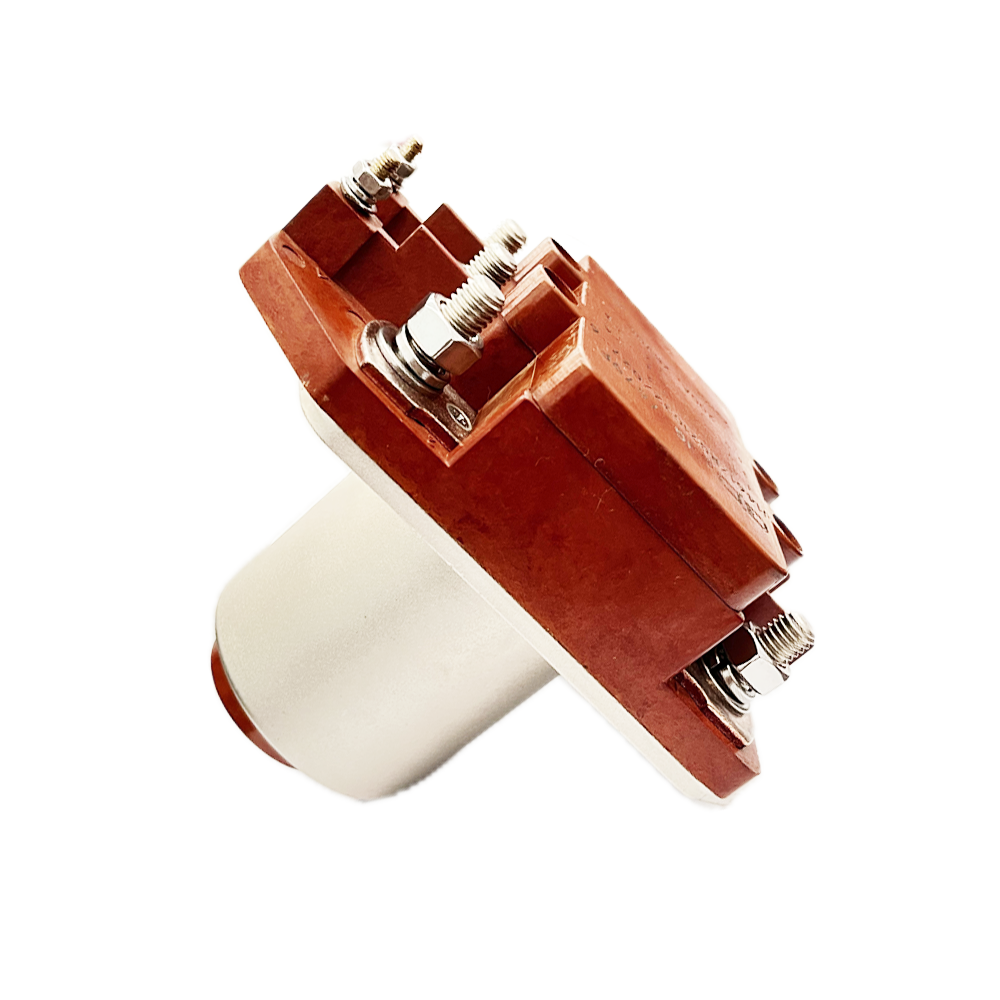
DC contactors are vital components in the realm of electronic devices, particularly in applications where direct current (DC) is involved. They function as electrically controlled switches, allowing for the remote operation of high-current circuits while maintaining safety and efficiency. Understanding how DC contactors work and their benefits can significantly enhance your electrical systems' reliability.
At their core, DC contactors consist of an electromagnetic coil and sets of contacts. When an electrical current flows through the coil, it generates a magnetic field that pulls the contacts together, completing the circuit. This ability to control a high-voltage, high-current load with a low-voltage signal is crucial for many modern applications, such as motor control, lighting systems, and renewable energy systems like solar power.
One of the primary advantages of using DC contactors is their ability to handle substantial current loads without overheating. This characteristic makes them suitable for demanding environments where reliability is paramount. Additionally, DC contactors are designed with specific features such as arc suppression mechanisms, which prevent damage during the opening and closing of contacts. This is particularly important in DC circuits, where the absence of zero-crossing makes it easier for arcs to form, potentially damaging the contactor.
Another notable benefit of DC contactors is their versatility. They can be used in a wide range of applications, from industrial machinery to commercial lighting systems. Moreover, as the push for energy efficiency grows, DC contactors play a vital role in optimizing energy consumption by allowing for precise control over electrical circuits.
When selecting a DC contactor, it is essential to consider factors such as the voltage and current ratings, coil voltage, and the intended application. Proper sizing ensures that the contactor will operate effectively without risking failure or damage to the connected devices. It's also important to pay attention to the environmental conditions in which the contactor will operate, as factors like temperature and humidity can significantly affect performance.
In conclusion, DC contactors are indispensable components in modern electronic systems, providing safe and efficient control of high-current circuits. Understanding their functionality and applications can help you make informed decisions when integrating them into your projects. By harnessing the power of DC contactors, you can enhance the performance and reliability of your electrical systems, ensuring they meet the demands of today's technology-driven world.
At their core, DC contactors consist of an electromagnetic coil and sets of contacts. When an electrical current flows through the coil, it generates a magnetic field that pulls the contacts together, completing the circuit. This ability to control a high-voltage, high-current load with a low-voltage signal is crucial for many modern applications, such as motor control, lighting systems, and renewable energy systems like solar power.
One of the primary advantages of using DC contactors is their ability to handle substantial current loads without overheating. This characteristic makes them suitable for demanding environments where reliability is paramount. Additionally, DC contactors are designed with specific features such as arc suppression mechanisms, which prevent damage during the opening and closing of contacts. This is particularly important in DC circuits, where the absence of zero-crossing makes it easier for arcs to form, potentially damaging the contactor.
Another notable benefit of DC contactors is their versatility. They can be used in a wide range of applications, from industrial machinery to commercial lighting systems. Moreover, as the push for energy efficiency grows, DC contactors play a vital role in optimizing energy consumption by allowing for precise control over electrical circuits.
When selecting a DC contactor, it is essential to consider factors such as the voltage and current ratings, coil voltage, and the intended application. Proper sizing ensures that the contactor will operate effectively without risking failure or damage to the connected devices. It's also important to pay attention to the environmental conditions in which the contactor will operate, as factors like temperature and humidity can significantly affect performance.
In conclusion, DC contactors are indispensable components in modern electronic systems, providing safe and efficient control of high-current circuits. Understanding their functionality and applications can help you make informed decisions when integrating them into your projects. By harnessing the power of DC contactors, you can enhance the performance and reliability of your electrical systems, ensuring they meet the demands of today's technology-driven world.
Xi'an Yuli Electronic Technology Co., Ltd.
Whats App:+8618122061211

Message consultation
Note: Please leave your contact information and our professionals will contact you as soon as possible!