Welcome to the official website of Xi'an Yuli Electronic Technology Co., Ltd.


Understanding the Role of a Three Phase Contactor in Industrial Automation
2025-04-13
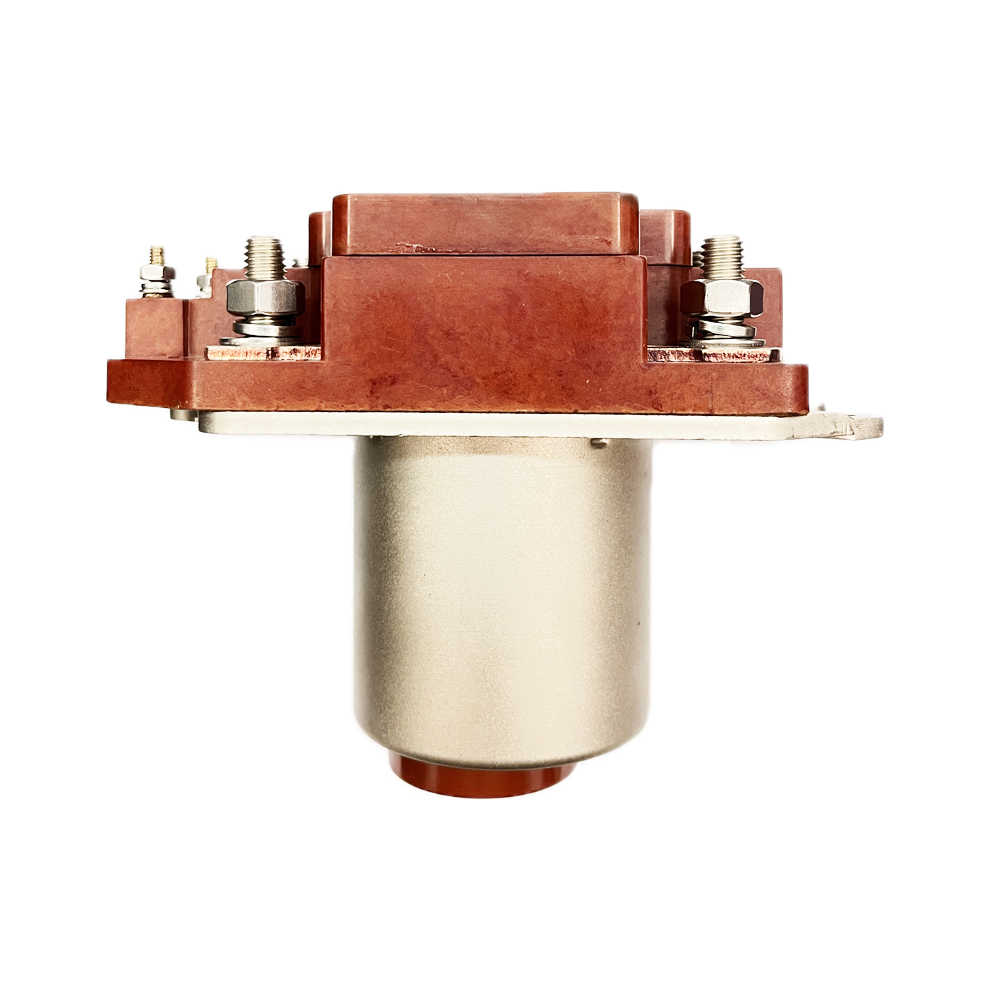
Understanding the Role of a Three Phase Contactor in Industrial Automation
Table of Contents
- 1. Introduction to Three Phase Contactors
- 2. What is a Three Phase Contactor?
- 3. How Do Three Phase Contactors Work?
- 4. Applications of Three Phase Contactors in Industrial Automation
- 5. Benefits of Using Three Phase Contactors
- 6. Maintenance Best Practices for Three Phase Contactors
- 7. Common Issues and Solutions with Three Phase Contactors
- 8. Frequently Asked Questions (FAQs)
- 9. Conclusion
1. Introduction to Three Phase Contactors
In the landscape of industrial automation, the efficiency and reliability of electrical control systems are paramount. **Three-phase contactors** play a crucial role in managing electrical power in industrial environments. They act as electrically-controlled switches that facilitate the automation of machinery and equipment, ensuring safe operation under various load conditions. This article aims to elucidate the significance of three-phase contactors, detailing their functionality, applications, benefits, and maintenance strategies.
2. What is a Three Phase Contactor?
A three-phase contactor is a type of relay that is specifically designed to control electrical loads in three-phase power systems. Unlike single-phase systems, three-phase systems provide a more balanced power distribution and can deliver greater power efficiency, making them ideal for industrial applications.
**Key Features of Three Phase Contactors:**
- **Electrical Isolation**: They provide isolation between the control circuit and the power circuit, enhancing safety.
- **High Load Capacity**: Designed to handle larger currents, making them suitable for motors and heavy machinery.
- **Versatile Control**: Can control multiple loads with a single device, simplifying the control architecture.
3. How Do Three Phase Contactors Work?
Three-phase contactors operate through an electromagnetic mechanism. When an electrical current flows through the coil of the contactor, it creates a magnetic field that attracts a movable armature. This movement closes the contacts, allowing current to flow through the connected load.
**Components of a Three Phase Contactor:**
- **Coil**: Activates the contactor when energized.
- **Contacts**: The conductive parts that open or close the electrical circuit.
- **Armature**: Moves to open or close the contacts based on the coil's magnetic field.
- **Enclosure**: Protects the internal components from dust and environmental factors.
**Operational Sequence**:
1. **Energization**: When the control circuit is energized, the coil receives power.
2. **Magnetic Attraction**: The coil's magnetic field attracts the armature.
3. **Contact Closure**: The armature closes the contacts, allowing power to flow to the load.
4. **De-Energization**: When the coil is de-energized, the contacts open, disconnecting power.
4. Applications of Three Phase Contactors in Industrial Automation
Three-phase contactors are integral to various industrial automation applications, including:
- **Motor Control**: They are commonly used to start and stop three-phase induction motors, enabling smooth operation in conveyor systems, pumps, and fans.
- **Lighting Control**: In large facilities, contactors manage the lighting systems, allowing centralized control.
- **Heating Systems**: They regulate the power supply to industrial heaters and boilers, enhancing energy efficiency.
- **HVAC Systems**: In heating, ventilation, and air conditioning systems, contactors control compressors and fans, ensuring optimal performance.
5. Benefits of Using Three Phase Contactors
The use of three-phase contactors offers several advantages that contribute to operational efficiency and safety:
- **Improved Reliability**: They provide a high degree of reliability, reducing the risk of equipment failure.
- **Energy Efficiency**: By ensuring optimal power delivery, contactors help in minimizing energy waste.
- **Enhanced Safety**: Contactors ensure electrical isolation, safeguarding operators and equipment.
- **Simplified Maintenance**: Modular design makes it easier to replace or repair components without extensive downtime.
6. Maintenance Best Practices for Three Phase Contactors
To ensure longevity and optimal performance, regular maintenance of three-phase contactors is essential:
- **Regular Inspections**: Conduct routine checks for signs of wear, corrosion, or overheating.
- **Cleaning**: Keep contactors free from dust and contaminants to prevent malfunctions.
- **Tightening Connections**: Periodically verify and tighten electrical connections to prevent arcing.
- **Test Operation**: Regularly test the operation of the contactor under load to ensure proper functionality.
7. Common Issues and Solutions with Three Phase Contactors
Despite their robustness, three-phase contactors may encounter issues that can affect performance:
- **Contact Welding**: Over time, contacts may weld together due to arcing. **Solution**: Replace the contactor or the damaged contacts.
- **Coil Burnout**: Excessive voltage can lead to coil burnout. **Solution**: Install surge protection devices to prevent voltage spikes.
- **Mechanical Failure**: The armature may get stuck due to dirt or corrosion. **Solution**: Regular cleaning and lubrication can prevent this issue.
8. Frequently Asked Questions (FAQs)
What is the difference between a contactor and a relay?
Contactors are designed for high-power applications, while relays are typically used for low-power control circuits.
Can a three phase contactor be used with single-phase loads?
Yes, but it is generally not recommended due to potential inefficiencies. Specialized relays are better suited for single-phase loads.
How do I select the right three phase contactor for my application?
Consider factors such as load type, voltage rating, current rating, and environmental conditions.
What happens if I overload a three phase contactor?
Overloading can cause overheating, leading to contact welding or coil burnout. It's crucial to choose a contactor rated for your application’s load.
How often should I perform maintenance on my contactors?
Regular inspections should be conducted at least quarterly, with more frequent checks in harsh environments or high-use applications.
9. Conclusion
Three-phase contactors serve a critical function in industrial automation, enhancing the reliability and efficiency of electrical systems. By understanding their operation, applications, and maintenance, industrial professionals can optimize their use in various settings. Ensuring that three-phase contactors are correctly implemented and maintained will significantly contribute to streamlined operations and reduced downtime, ultimately leading to higher productivity and safety in the workplace.
Xi'an Yuli Electronic Technology Co., Ltd.
Whats App:+8618122061211

Message consultation
Note: Please leave your contact information and our professionals will contact you as soon as possible!