Welcome to the official website of Xi'an Yuli Electronic Technology Co., Ltd.


Understanding Electromagnetic Contactors: Essential Components in Electronic Devices
2025-04-14
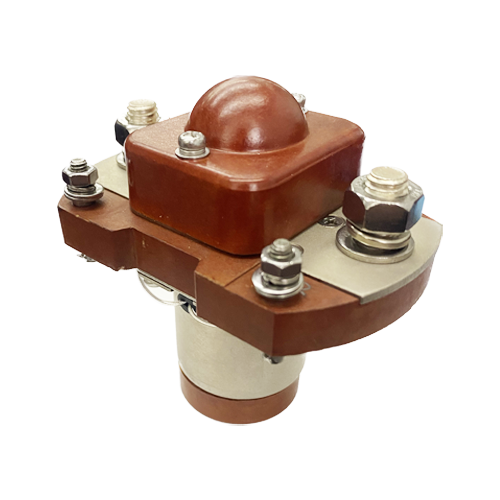
Electromagnetic contactors are vital components in the realm of electrical engineering, serving as electrically-controlled switches that enable the management of high-power circuits. These devices play a significant role in industrial and commercial applications, as well as in various electronic devices, by allowing safe and efficient control over electrical loads.
An electromagnetic contactor operates on the principle of electromagnetism, where the flow of current through a coil generates a magnetic field. This magnetic field attracts a movable armature, which closes or opens the contacts to either allow or interrupt the flow of electricity. The design of these contactors ensures that they can handle high voltage and current levels, making them essential in applications such as motor control, lighting circuits, and heating systems.
One of the primary advantages of using electromagnetic contactors is their ability to provide reliable and safe operation. Their construction allows them to withstand significant electrical loads without overheating, which is crucial in preventing failures or hazards in electrical systems. Additionally, these contactors often come with integrated features such as overload relays, which add an extra layer of protection by disconnecting the circuit in case of excessive current, thus safeguarding both the contactor and the connected equipment.
When selecting an electromagnetic contactor, professionals should consider several factors. The voltage and current ratings are paramount, as they must match the specific requirements of the electrical system in which they will be installed. Other important specifications include the contact configuration, which can vary from normally open (NO) to normally closed (NC), depending on the intended application. Furthermore, the operating environment should also be taken into account, as contactors may need to be rated for specific conditions such as moisture, dust, or extreme temperatures.
In practical applications, electromagnetic contactors are widely used in motor starters, lighting control panels, and automation systems. Their ability to control large electrical loads with a small control signal makes them ideal for use in programmable logic controllers (PLCs) and other automated systems. This versatility not only enhances the efficiency of electrical circuits but also improves overall system performance.
Moreover, advancements in technology have led to the development of smart contactors, which offer additional capabilities such as remote monitoring and control, integration with IoT devices, and energy management features. These innovations further enhance the usability and efficiency of electromagnetic contactors in modern electrical applications.
In conclusion, electromagnetic contactors are indispensable elements in the landscape of electronic components, providing essential control over electrical circuits with safety and reliability. Understanding their functionality, specifications, and applications is crucial for professionals looking to implement effective electrical solutions in their projects.
An electromagnetic contactor operates on the principle of electromagnetism, where the flow of current through a coil generates a magnetic field. This magnetic field attracts a movable armature, which closes or opens the contacts to either allow or interrupt the flow of electricity. The design of these contactors ensures that they can handle high voltage and current levels, making them essential in applications such as motor control, lighting circuits, and heating systems.
One of the primary advantages of using electromagnetic contactors is their ability to provide reliable and safe operation. Their construction allows them to withstand significant electrical loads without overheating, which is crucial in preventing failures or hazards in electrical systems. Additionally, these contactors often come with integrated features such as overload relays, which add an extra layer of protection by disconnecting the circuit in case of excessive current, thus safeguarding both the contactor and the connected equipment.
When selecting an electromagnetic contactor, professionals should consider several factors. The voltage and current ratings are paramount, as they must match the specific requirements of the electrical system in which they will be installed. Other important specifications include the contact configuration, which can vary from normally open (NO) to normally closed (NC), depending on the intended application. Furthermore, the operating environment should also be taken into account, as contactors may need to be rated for specific conditions such as moisture, dust, or extreme temperatures.
In practical applications, electromagnetic contactors are widely used in motor starters, lighting control panels, and automation systems. Their ability to control large electrical loads with a small control signal makes them ideal for use in programmable logic controllers (PLCs) and other automated systems. This versatility not only enhances the efficiency of electrical circuits but also improves overall system performance.
Moreover, advancements in technology have led to the development of smart contactors, which offer additional capabilities such as remote monitoring and control, integration with IoT devices, and energy management features. These innovations further enhance the usability and efficiency of electromagnetic contactors in modern electrical applications.
In conclusion, electromagnetic contactors are indispensable elements in the landscape of electronic components, providing essential control over electrical circuits with safety and reliability. Understanding their functionality, specifications, and applications is crucial for professionals looking to implement effective electrical solutions in their projects.
Xi'an Yuli Electronic Technology Co., Ltd.
Whats App:+8618122061211

Message consultation
Note: Please leave your contact information and our professionals will contact you as soon as possible!