Welcome to the official website of Xi'an Yuli Electronic Technology Co., Ltd.


Understanding High Power Relays: Essential Components for Modern Electronics
2025-04-18
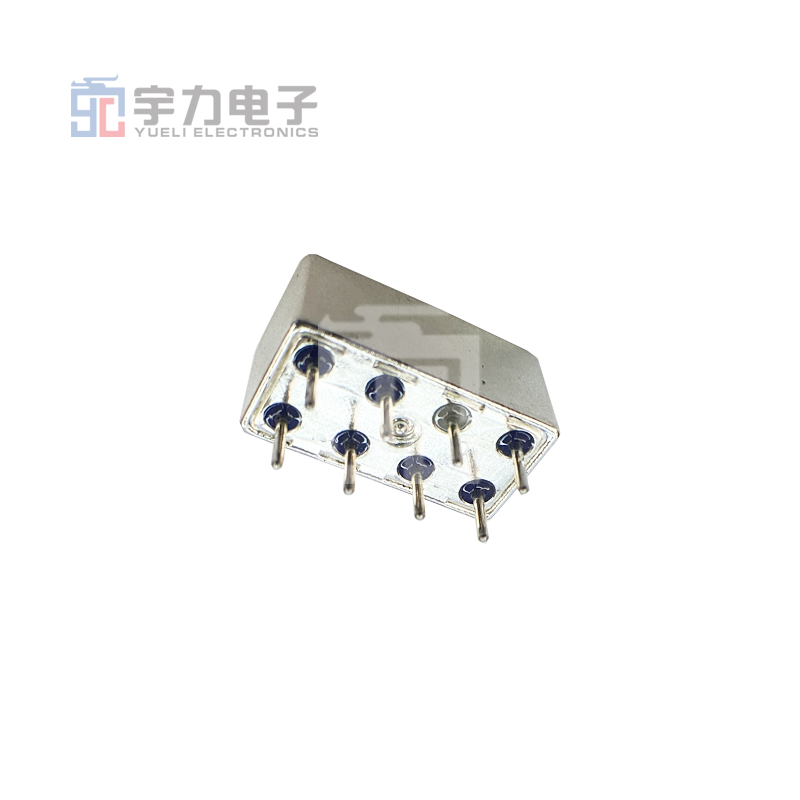
High power relays are essential electronic components designed to control high voltage and high current loads. They serve as switches that can turn circuits on or off, enabling devices to operate safely and effectively in various applications. Understanding their functionality and importance can help you appreciate their role in modern electronics.
At the core of a high power relay is an electromagnetic coil that, when energized, generates a magnetic field. This magnetic field pulls a switching mechanism, typically consisting of a set of contacts that either open or close a circuit. The ability to handle substantial electrical loads makes high power relays suitable for a wide range of applications, from industrial machinery and automotive systems to home appliances and renewable energy systems.
One of the primary advantages of high power relays is their ability to isolate low power control circuits from high power loads. This functionality not only protects delicate control circuits from potential damage but also allows for greater flexibility in circuit design. Additionally, high power relays can function in various environmental conditions, making them reliable choices for outdoor installations or harsh industrial settings.
In terms of applications, high power relays are commonly used in power distribution systems, where they control the flow of electricity to different parts of a network. They play a crucial role in automation systems, enabling the control of motors, pumps, and other heavy machinery. High power relays are also vital in renewable energy systems, such as solar panels and wind turbines, where they help manage energy flow efficiently.
The construction of high power relays often incorporates robust materials designed to withstand high temperatures and electromagnetic interference. This durability ensures that they can operate reliably over extended periods, even in the most demanding environments. When selecting a high power relay, it is essential to consider factors such as voltage rating, current capacity, and the specific application requirements to ensure optimal performance.
In conclusion, high power relays are indispensable components in the realm of electronics, providing safe and efficient control over high voltage and high current applications. Their ability to isolate circuits and withstand harsh conditions makes them a preferred choice in various industries. Understanding high power relays and their functionality can enhance your knowledge of electronic systems and inspire confidence in utilizing these components in your projects.
At the core of a high power relay is an electromagnetic coil that, when energized, generates a magnetic field. This magnetic field pulls a switching mechanism, typically consisting of a set of contacts that either open or close a circuit. The ability to handle substantial electrical loads makes high power relays suitable for a wide range of applications, from industrial machinery and automotive systems to home appliances and renewable energy systems.
One of the primary advantages of high power relays is their ability to isolate low power control circuits from high power loads. This functionality not only protects delicate control circuits from potential damage but also allows for greater flexibility in circuit design. Additionally, high power relays can function in various environmental conditions, making them reliable choices for outdoor installations or harsh industrial settings.
In terms of applications, high power relays are commonly used in power distribution systems, where they control the flow of electricity to different parts of a network. They play a crucial role in automation systems, enabling the control of motors, pumps, and other heavy machinery. High power relays are also vital in renewable energy systems, such as solar panels and wind turbines, where they help manage energy flow efficiently.
The construction of high power relays often incorporates robust materials designed to withstand high temperatures and electromagnetic interference. This durability ensures that they can operate reliably over extended periods, even in the most demanding environments. When selecting a high power relay, it is essential to consider factors such as voltage rating, current capacity, and the specific application requirements to ensure optimal performance.
In conclusion, high power relays are indispensable components in the realm of electronics, providing safe and efficient control over high voltage and high current applications. Their ability to isolate circuits and withstand harsh conditions makes them a preferred choice in various industries. Understanding high power relays and their functionality can enhance your knowledge of electronic systems and inspire confidence in utilizing these components in your projects.
Xi'an Yuli Electronic Technology Co., Ltd.
Whats App:+8618122061211

Message consultation
Note: Please leave your contact information and our professionals will contact you as soon as possible!