Welcome to the official website of Xi'an Yuli Electronic Technology Co., Ltd.


Why Miniature Relays Are Essential for Modern Electronics: An In-Depth Guide
2025-04-19
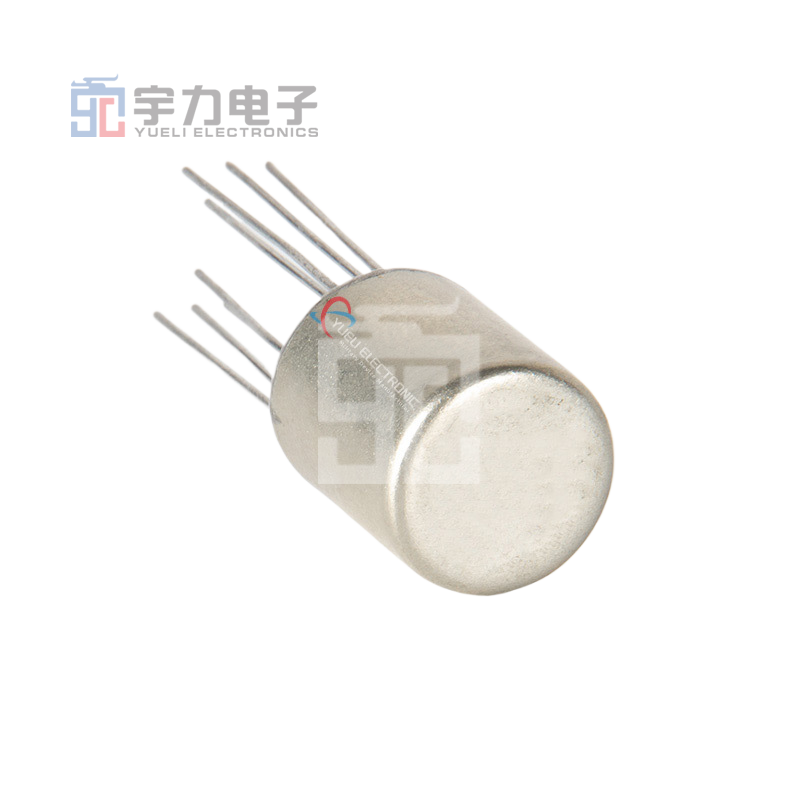
Why Miniature Relays Are Essential for Modern Electronics
Table of Contents
- Introduction to Miniature Relays
- What Are Miniature Relays?
- Advantages of Miniature Relays
- Applications of Miniature Relays in Modern Electronics
- How Miniature Relays Work
- Choosing the Right Miniature Relay for Your Project
- Troubleshooting Common Issues with Miniature Relays
- The Future of Miniature Relays in Electronics
- Frequently Asked Questions (FAQs)
- Conclusion
Introduction to Miniature Relays
In the fast-evolving world of electronics, components must not only perform their functions reliably but also fit into increasingly compact designs. **Miniature relays** have emerged as pivotal components that help engineers meet these demands. They play a crucial role in switching applications, allowing devices to control high voltages and currents with low input signals. Their small size, coupled with their impressive performance, makes them essential in a variety of electronic applications.
What Are Miniature Relays?
**Miniature relays** are electromechanical switches that use an electromagnetic coil to open or close a circuit. When current flows through the coil, it generates a magnetic field that moves an armature, thus enabling or disabling the connection between the relay's contacts. They are designed to handle lower power loads, making them ideal for control applications in devices ranging from household appliances to complex industrial machinery.
Key Characteristics of Miniature Relays
1. **Compact Size:** As their name suggests, miniature relays are smaller than standard relays, which allows for space-saving designs in electronic devices.
2. **Low Power Consumption:** They typically require less energy to operate, thus improving the overall energy efficiency of electronic systems.
3. **Variety of Configurations:** Miniature relays come in several contact configurations, including single-pole and double-pole, to suit various applications.
Advantages of Miniature Relays
Miniature relays offer numerous benefits that make them a preferred choice in many electronic applications.
1. Space Efficiency
In modern electronics, space is often at a premium. Miniature relays are designed to occupy minimal space while providing maximum functionality. Their compact size allows engineers to integrate them into smaller devices without compromising performance.
2. Enhanced Reliability
The electromechanical nature of miniature relays contributes to their reliability. They can withstand high voltage spikes and provide robust switching capabilities, ensuring that electronic devices perform consistently over time.
3. Versatile Applications
Miniature relays can be used in a diverse range of applications, from automotive electronics to telecommunications, making them a versatile component in the engineer's toolkit.
4. Cost-Effectiveness
Given their small size and efficient design, miniature relays tend to be more affordable compared to larger relays. This cost-effectiveness makes them an attractive option for mass-produced electronic devices.
Applications of Miniature Relays in Modern Electronics
Miniature relays are integral to numerous industries and applications. Here are some of the most common uses:
1. Home Automation Systems
In smart homes, miniature relays are used to control lighting, heating, and security systems remotely. Their compact design allows for seamless integration into smart hubs.
2. Automotive Systems
Miniature relays are widely used in cars for various functions, including controlling power windows, headlights, and dashboard indicators. Their reliability and efficiency are crucial in automotive applications where performance and safety are paramount.
3. Industrial Automation
In manufacturing settings, miniature relays control machinery and equipment, enabling automation and improving operational efficiency. They are essential in systems that require precise timing and switching.
4. Telecommunications
In telecom equipment, miniature relays manage signal routing and switching, ensuring that communication systems operate without interruption.
5. Consumer Electronics
Devices like microwaves, washing machines, and air conditioners use miniature relays to regulate various functions, enhancing user convenience and device efficiency.
How Miniature Relays Work
Understanding the operation of miniature relays is integral to harnessing their capabilities effectively.
1. Basic Operation Principle
When a voltage is applied to the relay coil, it generates a magnetic field. This magnetic field attracts the armature, moving it towards the coil and either closing or opening the circuit connected to the relay’s contacts.
2. Types of Contacts
Miniature relays come with different contact configurations, including:
- **Normally Open (NO):** In this configuration, the circuit is open until the relay is energized.
- **Normally Closed (NC):** The circuit is closed until the relay receives power, at which point it opens.
3. Relay Ratings
Each relay has specific ratings for voltage and current. Selecting a relay that matches the operational requirements of your application is crucial to ensure reliability and performance.
Choosing the Right Miniature Relay for Your Project
Selecting the appropriate miniature relay is critical for the success of any electronic project. Consider the following factors:
1. Voltage and Current Ratings
Always verify that the relay can handle the maximum voltage and current levels required by your application. This prevents damage and ensures reliable operation.
2. Coil Voltage
The coil voltage should match the control circuit voltage. Mismatched voltages can result in underperformance or failure to operate.
3. Contact Configuration
Choose the relay configuration that best suits your needs, whether it’s NO, NC, or a combination. This decision directly impacts the relay's performance in your circuit.
4. Size and Mounting Options
Ensure that the relay fits the available space in your design. Consider the mounting style, whether PCB mount or socket mount, based on your assembly process.
Troubleshooting Common Issues with Miniature Relays
While miniature relays are generally reliable, issues can arise. Here are common problems and their solutions:
1. Relay Does Not Activate
- **Solution:** Check the coil voltage and ensure it matches the specifications. Verify connections for continuity.
2. Relay Sticks or Chatters
- **Solution:** This can be caused by insufficient voltage or current. Ensure the load exceeds the relay's minimum activation requirements.
3. Overheating
- **Solution:** Overheating may result from exceeding the relay's rated current. Double-check the load requirements and consider a relay with a higher rating.
The Future of Miniature Relays in Electronics
As technology evolves, so does the role of miniature relays. With the emergence of smart technologies and IoT devices, miniature relays are becoming even more critical. Innovations in material science and electromagnetic design may lead to even smaller, more efficient relays capable of handling greater loads.
The integration of miniature relays in new technologies, such as robotics and automated systems, will continue to enhance their importance in modern electronics. **Sustainability** will also play a significant role, as manufacturers look for ways to produce relays with minimal environmental impact while maintaining high standards of performance.
Frequently Asked Questions (FAQs)
1. What is the lifespan of a miniature relay?
The lifespan of a miniature relay varies depending on its usage and environmental conditions but can typically range from 10,000 to over 1,000,000 switching cycles.
2. Can miniature relays be used outdoors?
Yes, but ensure that they are rated for outdoor use and are adequately protected from moisture and extreme temperatures.
3. How do I test if a miniature relay is functioning correctly?
Use a multimeter to check for continuity across the contacts when the relay is energized. If there is no continuity, the relay may be faulty.
4. Are there any alternatives to miniature relays?
Yes, alternatives include solid-state relays, which offer faster switching times and longer lifespans but may come at a higher cost.
5. How do I prevent relay chatter in my circuit?
Relay chatter can be minimized by ensuring that the control voltage is stable and using snubber circuits to manage inductive loads.
Conclusion
Miniature relays are indispensable components in modern electronics, providing the reliability, efficiency, and compactness that contemporary devices demand. Their versatility in a myriad of applications—from home automation to industrial control—highlights their essential role in today’s technology landscape. Understanding how to select and troubleshoot miniature relays will empower engineers and designers to leverage these components effectively, ensuring the continued advancement of electronic systems. As we look toward the future, miniature relays will undoubtedly remain at the forefront of electronic innovation, adapting to meet the ever-evolving needs of modern technology.
Xi'an Yuli Electronic Technology Co., Ltd.
Whats App:+8618122061211

Message consultation
Note: Please leave your contact information and our professionals will contact you as soon as possible!