Welcome to the official website of Xi'an Yuli Electronic Technology Co., Ltd.


Understanding Sealed Relays: Key Insights for the Electronics Industry
2025-04-20
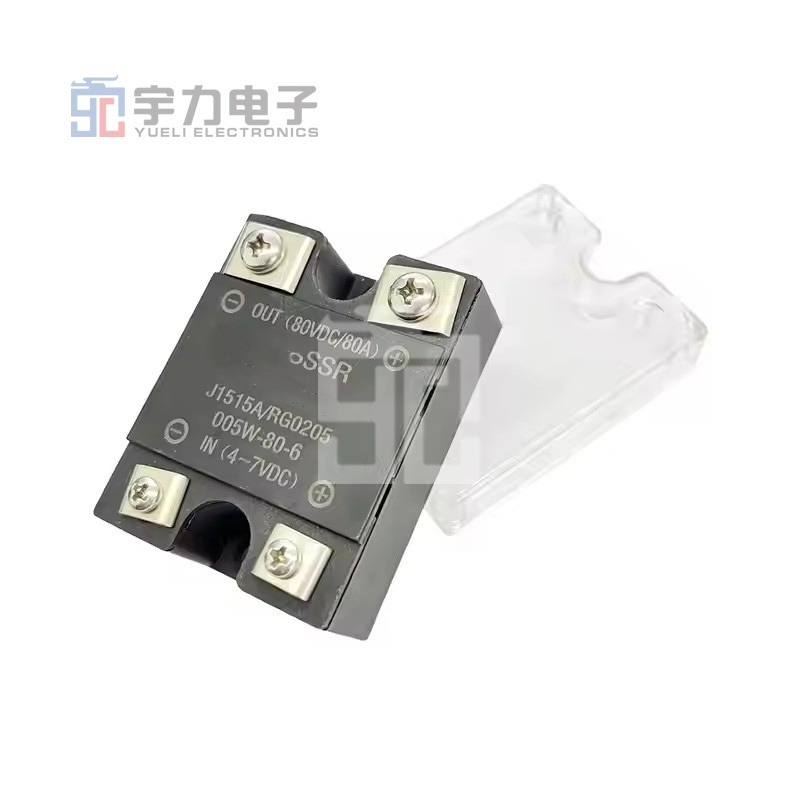
Sealed relays are vital components widely utilized in the electronics sector, particularly in applications where environmental factors can compromise performance. Unlike standard relays, sealed relays are encased in a protective housing that prevents dust, moisture, and other contaminants from entering. This feature enhances their reliability and durability, making them suitable for harsh operating conditions.
One of the primary benefits of sealed relays is their ability to maintain consistent performance in demanding environments. These relays are often employed in automotive, industrial machinery, and outdoor equipment where exposure to elements like water, dirt, and extreme temperatures is inevitable. The sealing mechanism typically involves a gasket or an encapsulated design that provides an airtight and watertight barrier, extending the relay's operational lifespan.
When considering sealed relays for specific applications, several factors must be taken into account. First, understanding the electrical specifications, such as voltage rating, current capacity, and switching type, is crucial to ensure compatibility with the intended circuit. Additionally, examining the relay's contact configuration (normally open, normally closed, or changeover) will help determine its suitability for the required functionality.
Another important aspect is the relay's response time and coil activation characteristics. Sealed relays are available in various models that offer fast switching times, which are essential for applications needing quick response to changing conditions. Moreover, the coil voltage should match the supply voltage of the circuit to avoid potential damage or malfunction.
The design of sealed relays can also vary, with options such as electromechanical and solid-state configurations. Electromechanical relays use an electromagnetic coil to operate mechanical contacts, while solid-state relays utilize semiconductor devices to switch the circuit. Each type has its own advantages and ideal use cases, making it essential to assess the specific requirements before selection.
Furthermore, thermal management plays a critical role in the performance of sealed relays, especially in environments where heat generation is a concern. It is advisable to consult the manufacturer's specifications regarding thermal limits and derating factors to ensure reliable operation.
Sealed relays also play an important role in safety-critical applications, as they can help prevent accidental activations caused by environmental factors. By incorporating these relays into your designs, you can enhance the overall safety and reliability of electronic systems.
In summary, sealed relays are indispensable components in the electronics industry, providing robust protection against environmental challenges. By understanding their specifications, applications, and operational characteristics, you can make informed decisions when integrating these relays into your projects, ensuring optimal performance and longevity.
One of the primary benefits of sealed relays is their ability to maintain consistent performance in demanding environments. These relays are often employed in automotive, industrial machinery, and outdoor equipment where exposure to elements like water, dirt, and extreme temperatures is inevitable. The sealing mechanism typically involves a gasket or an encapsulated design that provides an airtight and watertight barrier, extending the relay's operational lifespan.
When considering sealed relays for specific applications, several factors must be taken into account. First, understanding the electrical specifications, such as voltage rating, current capacity, and switching type, is crucial to ensure compatibility with the intended circuit. Additionally, examining the relay's contact configuration (normally open, normally closed, or changeover) will help determine its suitability for the required functionality.
Another important aspect is the relay's response time and coil activation characteristics. Sealed relays are available in various models that offer fast switching times, which are essential for applications needing quick response to changing conditions. Moreover, the coil voltage should match the supply voltage of the circuit to avoid potential damage or malfunction.
The design of sealed relays can also vary, with options such as electromechanical and solid-state configurations. Electromechanical relays use an electromagnetic coil to operate mechanical contacts, while solid-state relays utilize semiconductor devices to switch the circuit. Each type has its own advantages and ideal use cases, making it essential to assess the specific requirements before selection.
Furthermore, thermal management plays a critical role in the performance of sealed relays, especially in environments where heat generation is a concern. It is advisable to consult the manufacturer's specifications regarding thermal limits and derating factors to ensure reliable operation.
Sealed relays also play an important role in safety-critical applications, as they can help prevent accidental activations caused by environmental factors. By incorporating these relays into your designs, you can enhance the overall safety and reliability of electronic systems.
In summary, sealed relays are indispensable components in the electronics industry, providing robust protection against environmental challenges. By understanding their specifications, applications, and operational characteristics, you can make informed decisions when integrating these relays into your projects, ensuring optimal performance and longevity.
Previous:
Xi'an Yuli Electronic Technology Co., Ltd.
Whats App:+8618122061211

Message consultation
Note: Please leave your contact information and our professionals will contact you as soon as possible!