Welcome to the official website of Xi'an Yuli Electronic Technology Co., Ltd.


Why Your Industrial Setup Needs a Reliable Three Phase Relay: Maximizing Efficiency and Safety
2025-04-21
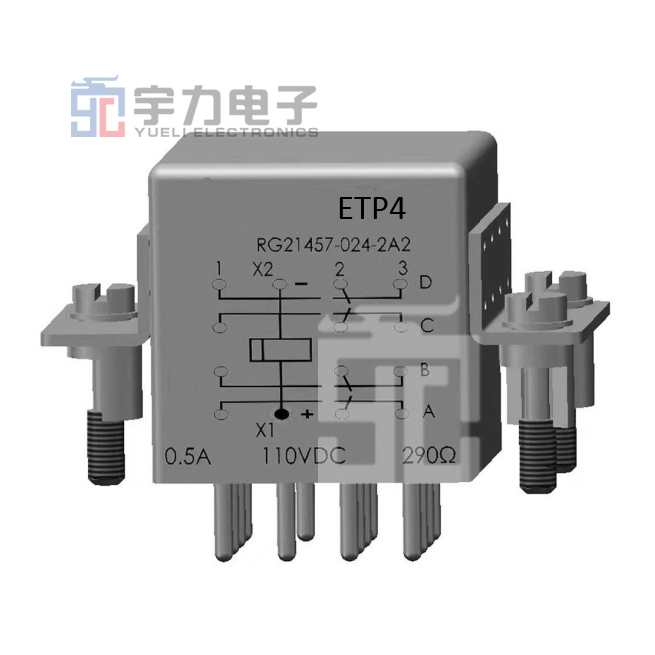
Why Your Industrial Setup Needs a Reliable Three Phase Relay
Table of Contents
- Introduction to Three Phase Relays
- What is a Three Phase Relay?
- Importance of Three Phase Relays in Industrial Applications
- Benefits of Utilizing Reliable Three Phase Relays
- How Do Three Phase Relays Operate?
- Choosing the Right Three Phase Relay for Your Setup
- Installation and Maintenance of Three Phase Relays
- Common Issues with Three Phase Relays and Their Solutions
- Conclusion
- FAQs
Introduction to Three Phase Relays
In the landscape of industrial operations, the reliability of electrical components can make or break a system. Among these components, **three-phase relays** hold a position of paramount importance. They serve as guardians of electrical systems, ensuring that devices operate efficiently and safely. This article explores the necessity of **three-phase relays** in industrial setups, their operation, and how they contribute to overall efficiency.
What is a Three Phase Relay?
A three-phase relay is a protective device designed to monitor and control electrical systems that operate on three-phase power. These relays detect abnormalities in voltage and current across each phase and trigger actions to prevent damage to connected equipment. They are essential in environments where large motors and generators operate, serving as the first line of defense against potential faults.
Types of Three Phase Relays
There are several types of three-phase relays, including:
1. **Overcurrent Relays** - Protect against excessive current that can damage equipment.
2. **Overvoltage Relays** - Guard against high voltage conditions that can lead to insulation breakdown.
3. **Under-voltage Relays** - Prevent systems from operating under insufficient voltage, which can lead to inefficient performance.
4. **Phase Failure Relays** - Detect loss of phase voltage, ensuring equipment does not operate under potentially damaging conditions.
Importance of Three Phase Relays in Industrial Applications
In industrial setups, machinery often relies on three-phase power for optimal performance. This type of power supply is more efficient than single-phase systems, leading to lower operational costs. However, with increased efficiency comes the need for robust protection mechanisms.
Three-phase relays play a critical role in:
- **Preventing Equipment Damage**: By monitoring voltage and current, relays can disconnect faulty equipment before damage occurs.
- **Enhancing Operational Safety**: They reduce the risk of electrical fires and equipment failures by providing a safety net.
- **Optimizing Performance**: With reliable monitoring, industrial setups can achieve peak performance without unexpected downtimes.
Benefits of Utilizing Reliable Three Phase Relays
Investing in high-quality three-phase relays provides numerous advantages:
1. **Increased Reliability**: High-quality relays are built to withstand harsh industrial environments, ensuring consistent operation.
2. **Cost Efficiency**: By preventing equipment damage and minimizing downtime, businesses can save significantly on repairs and lost productivity.
3. **Enhanced Safety Protocols**: With built-in safety features, reliable relays safeguard workers and equipment alike.
4. **Longer Equipment Lifespan**: Properly functioning relays can extend the operational life of motors and other connected devices.
How Do Three Phase Relays Operate?
The operation of a three-phase relay involves several key processes:
1. **Monitoring Phase Voltage and Current**: The relay continuously monitors the conditions of the three phases. It measures current flow and voltage levels, detecting any discrepancies.
2. **Tripping Mechanism**: If the relay identifies a fault condition—such as overcurrent or phase failure—it activates a tripping mechanism. This can disconnect the affected equipment from the power supply.
3. **Resetting the Relay**: After a fault has been cleared, the relay can often be reset manually or automatically, allowing the equipment to resume normal operation.
Key Components of a Three Phase Relay
- **Sensing Circuit**: Detects current and voltage parameters.
- **Control Circuit**: Determines whether to trip or reset based on the sensed conditions.
- **Output Contacts**: Connect or disconnect the load from the power source.
Choosing the Right Three Phase Relay for Your Setup
Selecting the appropriate three-phase relay is essential for ensuring optimal protection and performance. Consider the following factors:
- **Application Needs**: Understand the specific requirements of your equipment. Different applications may require different types of relays.
- **Voltage and Current Ratings**: Ensure that the relay can handle the voltage and current levels present in your system.
- **Sensitivity Settings**: Choose a relay with adjustable sensitivity settings to fine-tune performance according to your operational needs.
- **Environmental Conditions**: Consider the environment where the relay will be installed. Heavy-duty relays can withstand harsher conditions, such as high temperatures or humidity.
Installation and Maintenance of Three Phase Relays
Proper installation and regular maintenance are crucial for the longevity and effectiveness of three-phase relays.
Installation Tips
- **Follow Manufacturer Guidelines**: Always adhere to the specifications provided by the manufacturer during installation to avoid errors.
- **Use Correct Wiring Practices**: Ensure that wiring is secure and correctly configured to prevent short circuits or incorrect readings.
- **Test After Installation**: Conduct thorough tests once the relay is installed to ensure it operates correctly under load conditions.
Maintenance Practices
- **Regular Inspections**: Routinely check the relay for signs of wear or damage.
- **Calibration**: Periodically calibrate the relay to ensure its sensitivity settings are accurate.
- **Cleaning**: Keep the relay clean from dust and debris, which can affect performance.
Common Issues with Three Phase Relays and Their Solutions
While three-phase relays are generally reliable, they can encounter issues. Here are some common problems and their solutions:
1. **False Tripping**: This can occur due to transient spikes. Solution: Use a relay with adjustable sensitivity settings to filter out short-term fluctuations.
2. **Failure to Trip**: If the relay does not respond to an actual fault, it may be due to a malfunction. Solution: Regularly test and calibrate the relay to ensure proper function.
3. **Mechanical Wear**: Over time, mechanical components can wear out. Solution: Replace relays according to the manufacturer's recommended schedule for optimal performance.
Conclusion
Investing in a reliable three-phase relay is essential for any industrial setup. These devices not only protect equipment but also enhance operational efficiency and safety. With the right relay in place, businesses can minimize downtime, reduce maintenance costs, and prolong the lifespan of their machinery. Prioritize quality when selecting a three-phase relay to ensure that your industrial operations run smoothly and effectively.
FAQs
What is the difference between single-phase and three-phase relays?
Single-phase relays monitor and control systems running on single-phase power, while three-phase relays handle three-phase power systems, providing enhanced efficiency and reliability.
Can three-phase relays be used in residential applications?
Yes, while three-phase relays are primarily utilized in industrial settings, they can also be beneficial in residential applications where three-phase power is available.
How do I know if my three-phase relay needs to be replaced?
Signs that a relay may need replacement include frequent false tripping, failure to trip during faults, and physical signs of wear or damage.
What maintenance is required for three-phase relays?
Regular inspections, calibrations, and cleaning are essential maintenance practices for ensuring the longevity and effectiveness of three-phase relays.
Are all three-phase relays the same?
No, three-phase relays come in various types and specifications tailored for different applications, voltages, and environmental conditions. Always choose the right type for your specific setup.
Xi'an Yuli Electronic Technology Co., Ltd.
Whats App:+8618122061211

Message consultation
Note: Please leave your contact information and our professionals will contact you as soon as possible!